
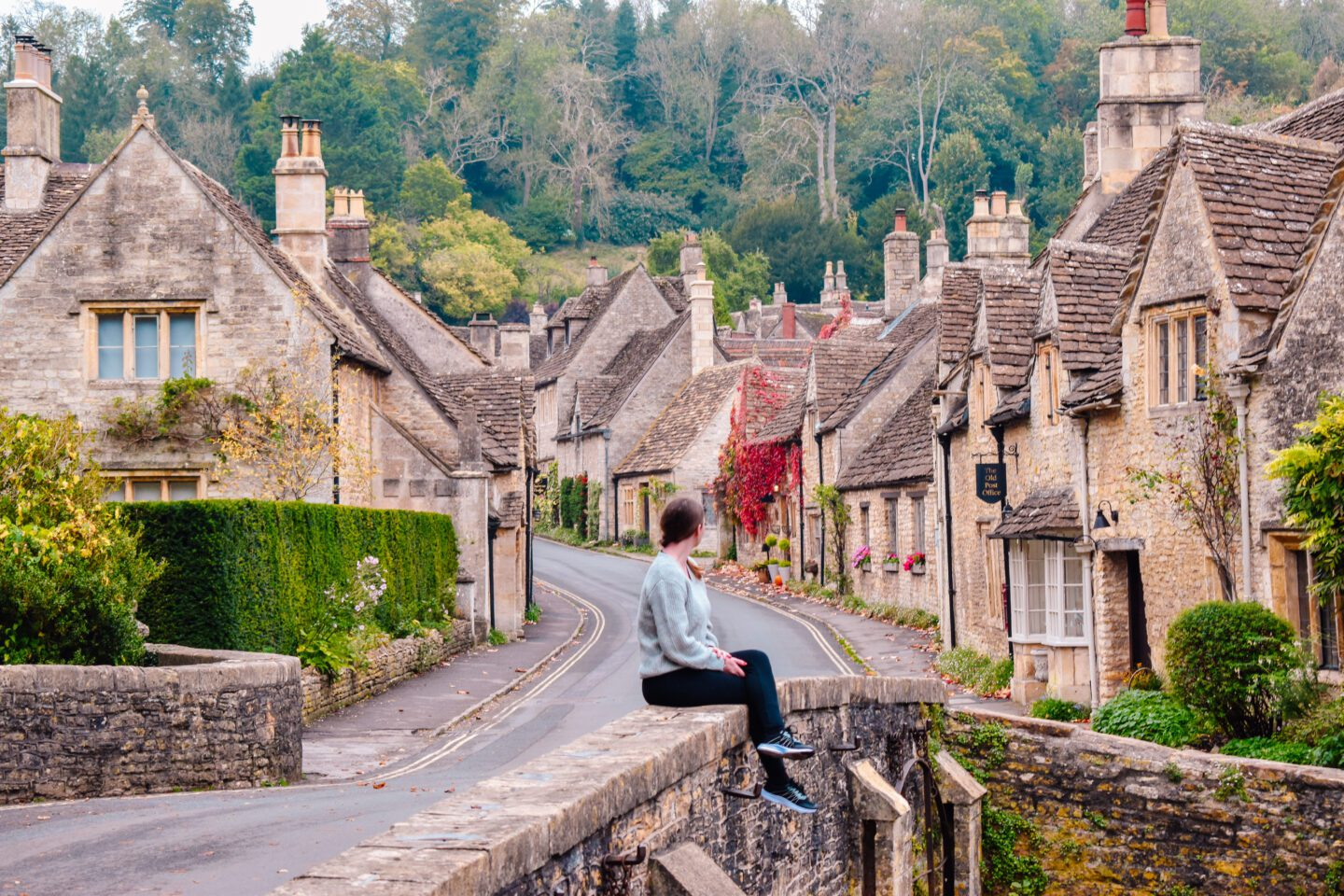
In the heart of the Cotswolds, the picturesque village of Castle Combe has become an unexpected battleground between heritage-loving locals and drone-wielding tourists. Once celebrated for its timeless beauty and tranquil charm, the village now finds itself at the center of a storm stirred by the modern pursuit of digital content.
With drones buzzing over gardens, peering through windows, and even allegedly capturing private moments in bathrooms, residents are raising their voices in protest and calling for a total ban on the intrusive aircraft.
A Village Under Siege by Social Media Tourists
Castle Combe, often dubbed “the prettiest village in England,” has long drawn tourists to its cobblestone streets and chocolate box cottages. Nestled in the Cotswolds Area of Outstanding Natural Beauty, the village, home to only a few hundred residents, has seen its visitor numbers swell dramatically in recent years. What was once a gentle influx of heritage tourists and nature lovers has transformed into a tidal wave of influencers, social media users, and drone enthusiasts.
The transformation was particularly notable in the years following the Covid-19 pandemic, as domestic tourism surged and people sought picturesque escapes closer to home. Platforms like Instagram and TikTok, brimming with curated images of the quaint village, have turned Castle Combe into a digital sensation. Tourists now come not only to admire the view but to capture it, manipulate it, and broadcast it to their followers.
While photography in public spaces is not new, the growing trend of using drones has introduced a complex layer of intrusion. The devices, often equipped with high-resolution cameras and capable of hovering silently overhead, have sparked serious concerns among the villagers.
Read : Top 10 Most Beautiful Villages of Kosovo
What was once a peaceful walk through the high street can now be interrupted by the buzz of a drone following from above, and a moment of quiet in a private garden may be shattered by the mechanical whirr just feet away.
Can you imagine a more beautiful setting for a wander?
— 𝓥𝓪𝓵𝓮𝓷𝓽𝔂𝓷𝓪 𝓗𝓸𝓵𝓵𝓸𝔀𝓪𝔂 (@ValentyneDreams) August 19, 2023
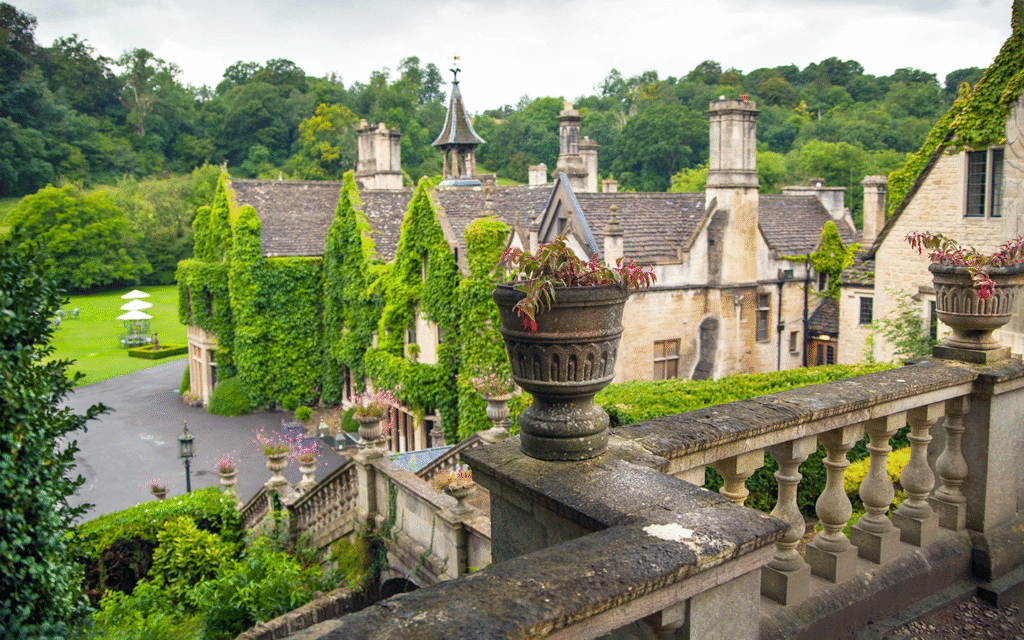
Castle Combe Manor House, Castle Combe, Cotswolds, Wiltshire, England, UK pic.twitter.com/GfzCtYo5gi
The residents, who cherish their privacy and the village’s serenity, have reached a boiling point. Stories of near-misses with falling drones, aggressive confrontations with inconsiderate tourists, and, most shockingly, invasive surveillance of private moments have pushed the community to take action.
Violation of Privacy and Growing Tensions
At the heart of the controversy is a deeply disturbing account that encapsulates the villagers’ frustrations. A man, having finished gardening, stepped into his bath only to discover a drone hovering outside his bathroom window. The implication—that someone was remotely watching or filming him—has fueled widespread outrage in the community.
Hilary Baker, a 69-year-old retired police officer and long-time resident, expressed the dismay felt by many. “It’s almost like some of the visitors have lost their moral compass,” she said. “When you go into your back garden and put your washing out and there is a drone hovering 20 yards above your head, it really quite rankles.” Her words speak not only to the violation of physical space but to a deeper erosion of respect and decency.
This is not an isolated incident. Another villager was reportedly followed along the high street by a drone just five feet above his head. The pilot, a tourist from California, was apologetic and admitted he was unaware of the local rules. But the frequency of such encounters points to a broader issue: a growing number of visitors are using drones with little understanding—or regard—for privacy laws and community norms.
The issue has sparked verbal confrontations, with residents receiving abuse for simply asking drone operators to stop filming. In one incident, a drone pilot who refused to land his device allegedly filmed children in a back garden and verbally abused locals who confronted him. Police were called, but such actions have only added to the villagers’ sense of being besieged in their own homes.
It is not only the humans who suffer. Drones have been known to crash into trees, gardens, and even the roof of the local church, prompting fears about physical safety. “People do lose control of drones,” warned Fred Winup, chairman of the parish council. “They could take an eye out.”
Community Action and the Call for Regulation
Faced with growing invasions of privacy and threats to their safety, the residents of Castle Combe have begun fighting back. “No drone zone” signs now adorn windows, fences, the church walls, and the public car park. These homemade warnings reflect a community taking matters into its own hands as official responses have, so far, fallen short.
Wiltshire Council has made some steps toward supporting the residents. A sign posted in the public car park now warns drone users: “If you use these devices where people can expect privacy, such as inside their home or garden, you are likely to be contravening CAA [Civil Aviation Authority] guidelines.”
The CAA rules are clear—pilots must keep drones within their line of sight, avoid crowds, maintain distance from buildings, and most importantly, respect individuals’ privacy. But enforcement is another matter.

Mr. Winup, who conducted a survey last year, found that more than half of Castle Combe’s tourists chose to visit after seeing the village on social media. With influencers and tourists prioritizing “Instagrammable” moments over ethical considerations, the village’s beauty has become both its pride and its burden.
One tourist, Lydia Chia from Singapore, candidly admitted choosing Castle Combe after seeing it on a friend’s Instagram feed. “It’s really pretty. I pick where to visit based on pictures and aesthetics,” she said. While such candidness is understandable, it also highlights the disconnect between digital tourists and the reality of life in such a small community.
The villagers are not opposed to visitors, nor do they wish to gatekeep their charming village. Castle Combe has always welcomed tourists with open arms—but on the condition that respect and boundaries are maintained. Drones, however, have become a tipping point. The call for a complete ban on tourist drones is gaining momentum, not out of hostility, but out of desperation.
The residents argue that regulations must keep pace with technology. Just as laws once evolved to curb intrusive paparazzi or regulate public photography, so too must they adapt to drones. Local councils, in partnership with the CAA, must introduce enforceable bans or permits that prioritize residents’ rights.
Until then, Castle Combe remains a village caught in conflict—a timeless symbol of English beauty struggling to defend its soul against the relentless march of modern tourism.