

In the early hours of the morning, an unexpected incident disrupted the stillness of Beijing’s northeastern Shunyi district—a fire broke out on the Chaobai River Bridge, ultimately leading to its collapse.
While the bridge had already been closed to traffic at the time, the dramatic nature of the fire and its consequences sparked immediate public concern and widespread attention across social media platforms.
Authorities from the Beijing Municipal Commission of Transport confirmed that no casualties were reported in the incident. The fire, which started around dawn, was swiftly contained by emergency responders, but not before it had already inflicted critical damage on the bridge’s structural components. The precise cause of the blaze is still under investigation, and access to the bridge has been shut down in both directions as officials carry out their assessment.
Timeline of Events Leading to the Collapse
According to reports and eyewitness accounts, the fire began in the early morning hours, with the first signs appearing around 4:40 a.m. A local resident who was fishing near the bridge provided crucial firsthand insight, stating that he had noticed the lights on the bridge suddenly go out around 4 a.m. Roughly 40 minutes later, plumes of grey smoke began rising from underneath the structure.
The eyewitness immediately contacted emergency services after spotting the smoke. Fire engines and police units were seen rushing to the scene shortly afterward. Videos shared on Weibo and other platforms revealed heavy smoke pouring from the sides of the bridge as fire trucks attempted to contain the growing flames. Police vehicles blocked entry points to the bridge, and bystanders were held at a safe distance.
Read : Bridge Collapsed on Camera, Sulfuric Acid Spilled into River in Brazil
Although the Chaobai River Bridge was not open to vehicular traffic at the time, its collapse still raised urgent concerns about public infrastructure safety, particularly in areas where traffic and transport development are rapidly expanding.
Apr 23: a section of the Chaobai River Bridge (潮白河大桥) in Beijing’s Shunyi District collapsed around 7am reportedly after a fire broke out… pic.twitter.com/odquwnDsHE
— Byron Wan (@Byron_Wan) April 23, 2025
The timing of the fire and the speed at which it compromised the bridge’s structure caught many off guard, especially considering that the bridge was presumably maintained and inspected regularly as part of city infrastructure oversight.
Official Response and Ongoing Investigation
The Beijing Municipal Commission of Transport, in a post on Weibo, confirmed the fire and the subsequent structural failure of the Chaobai River Bridge.
Officials emphasized that the bridge was not in use when the incident occurred and reassured the public that no injuries had been reported. However, they also acknowledged the severity of the collapse and confirmed that an investigation had been launched to determine the cause of the fire.
Local news outlets attempted to obtain further information from the Shunyi District Emergency Bureau, but a representative who answered the phone stated they had no additional details to share at the moment.
This lack of immediate clarity has prompted speculation online, with some users questioning whether recent maintenance or construction activities could have contributed to the incident.
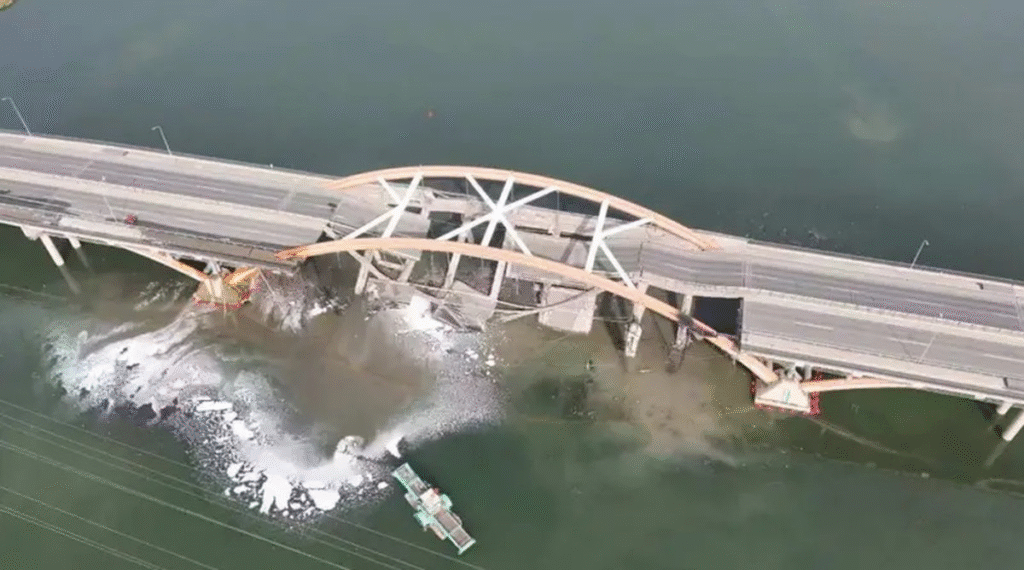
Transport officials have since rerouted traffic in the area, setting up detours and alternative routes to minimize disruption. Despite the bridge being closed, its collapse poses logistical challenges, particularly for nearby residential areas and commercial zones that relied on the structure for connectivity.
The investigation is likely to delve into various potential causes, including electrical faults, flammable materials left behind from maintenance work, or even arson, though authorities have not yet suggested any criminal involvement.
In a city known for its robust engineering standards and constant modernization, an incident of this nature is highly unusual and will likely lead to broader scrutiny of similar infrastructures.
Public Reaction and Broader Implications
As videos of the fire and the subsequent collapse spread online, reactions ranged from shock to concern over public safety and infrastructure integrity. Many residents voiced gratitude that the bridge had been closed before the fire broke out, thus preventing potential injuries or fatalities.
Nevertheless, the incident sparked wider conversations about safety oversight and emergency preparedness, especially in a city like Beijing that prides itself on advanced urban development.
The Chaobai River Bridge may not be among the most prominent structures in the capital, but its sudden failure serves as a stark reminder that even seemingly minor or peripheral components of the urban landscape require vigilant maintenance and monitoring. In light of this event, city officials may be prompted to conduct safety audits on other bridges and transport infrastructure in the region to prevent similar occurrences.
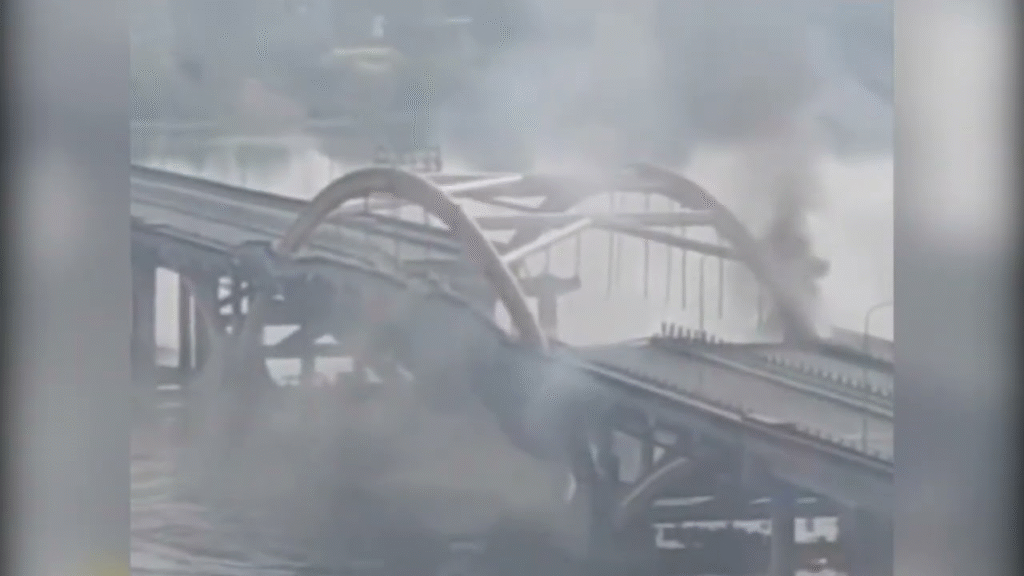
For some residents, the fire also rekindled memories of previous infrastructure-related incidents across China, including bridge collapses and tunnel fires. These events often lead to heightened public scrutiny and demand for transparency in official reports. Calls for publishing investigation results and maintenance records of key public structures have begun surfacing online, with some users urging the Beijing municipal government to set a precedent for open disclosure.
Social media platforms played a significant role in bringing the incident to public attention. Videos showing the blaze and the aftermath were widely shared, gaining thousands of views and comments within hours. Many netizens praised the swift response of emergency personnel, noting that their timely arrival likely prevented further damage and potential secondary fires in the surrounding area.
While no lives were lost, the collapse represents a material setback in terms of infrastructure and public confidence. It also highlights the growing importance of early detection systems and fire-resistant design elements in civil engineering projects. Experts have suggested that fire-retardant coatings and sensors could be integrated into bridges and similar structures to provide real-time alerts in case of anomalies.
In conclusion, the fire and subsequent collapse of the Chaobai River Bridge is a sobering event that underscores the unpredictability of structural vulnerabilities. Although no injuries were reported and the situation is under control, the incident raises critical questions about infrastructure maintenance, emergency response readiness, and public safety assurances. As authorities continue to investigate the root cause, the public remains keenly interested in understanding what went wrong—and how future occurrences can be avoided.