
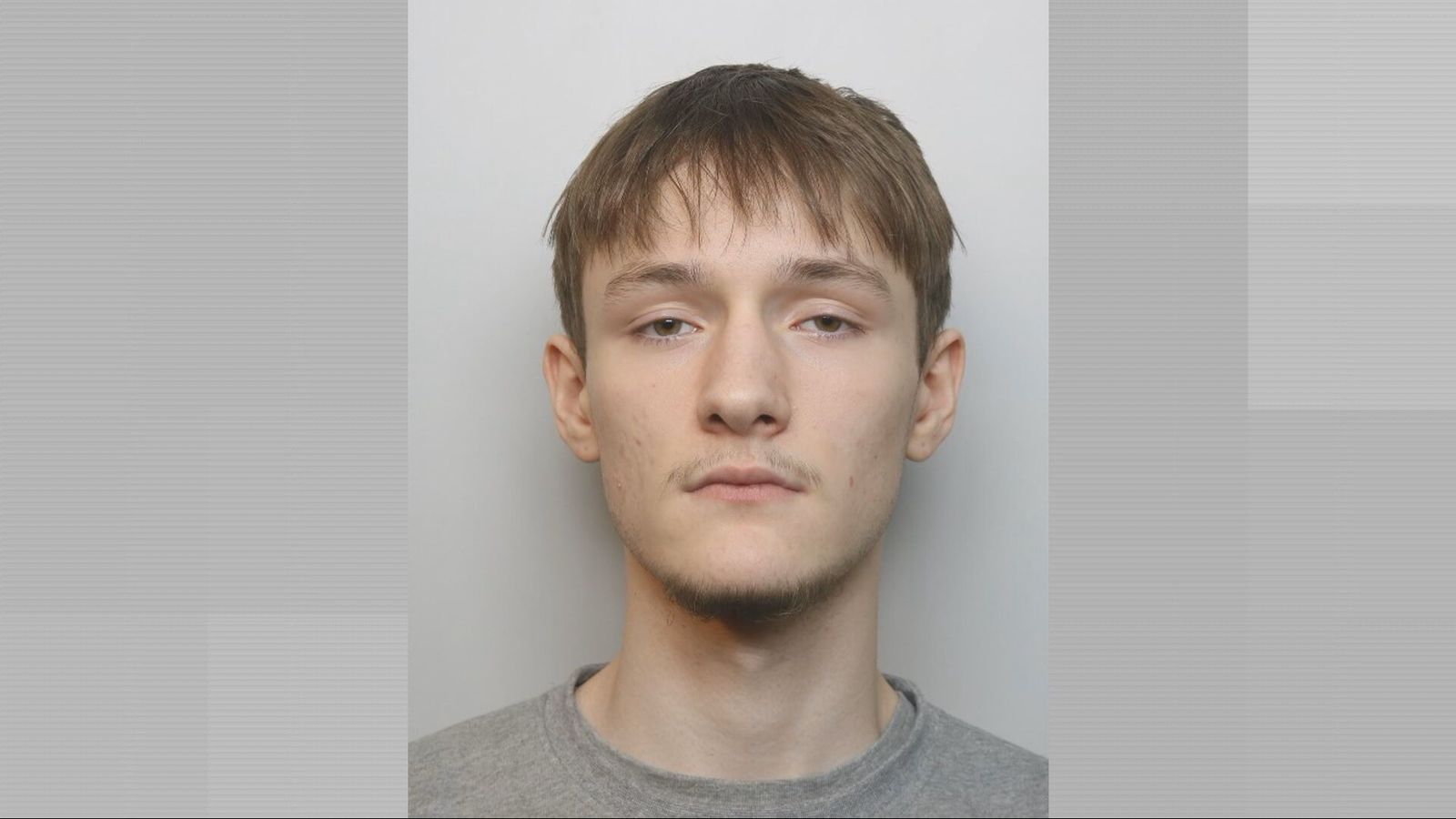
The tragic case of Noah Smedley’s murder has shocked the town of Ilkeston in Derbyshire and beyond. On 28 December, what began as a routine cannabis transaction between teenagers ended in the brutal death of an 18-year-old who, according to prosecutors, did nothing wrong.
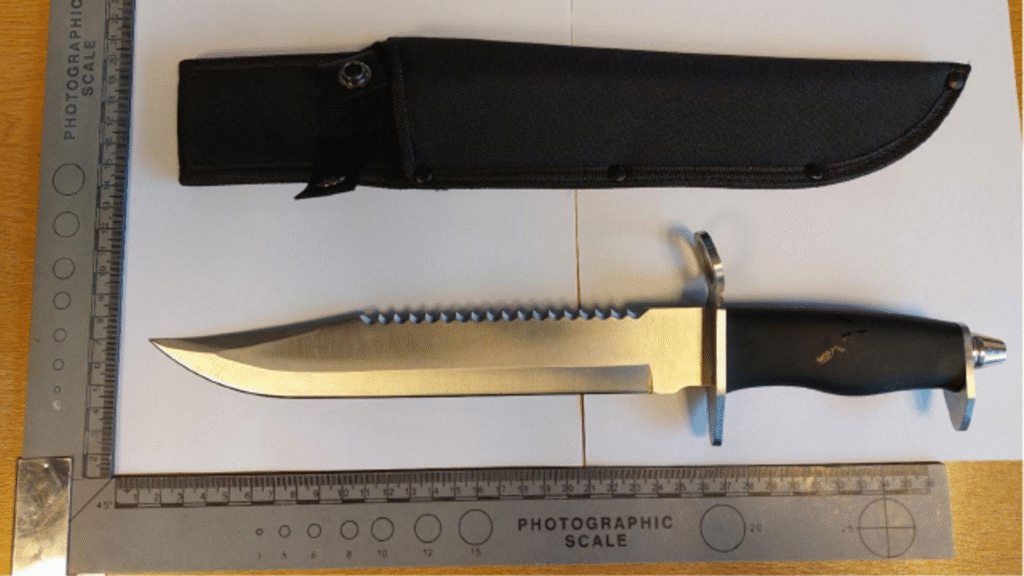
The killer, Charles Hartle, also 18, delivered a single but fatal stab wound to Noah’s chest using a Rambo-style knife. The act, described as senseless and calculated, has not only left a family in mourning but has also raised serious concerns about youth violence, knife crime, and the glamorization of gang culture among British teens.
The incident took place near Heanor Road in Ilkeston, Derbyshire, a seemingly quiet suburban area, but the attack was far from ordinary. Captured on CCTV, it showed Hartle running from the scene moments after plunging a knife into Noah’s heart. As Noah attempted to flee despite his injuries, he collapsed nearby and died soon after.
The case went to trial at Derby Crown Court, where Charles Hartle denied murder but admitted to possessing a bladed article in a public place. However, the jury, after seeing overwhelming evidence including Snapchat messages, CCTV footage, and witness testimony, unanimously found Hartle guilty of murder.
A Calculated Attack Caught on Camera
The murder of Noah Smedley was not a spur-of-the-moment decision. Evidence presented during the trial revealed a level of premeditation that chilled courtroom observers. Hartle had arranged to meet Noah through mutual contacts to purchase cannabis. Noah arrived at the scene riding an electric scooter and greeted Hartle’s group with friendliness. There was no dispute, no confrontation, and no raised voices. Everything appeared amicable — until it wasn’t.
Prosecutor Adrian Langdale KC painted a disturbing picture of the events that followed. He stated that Hartle deliberately hung back from his group as Noah interacted with his friends. Wearing a balaclava and concealing the weapon in his tracksuit, Hartle pulled his mask down just before the attack. As he advanced toward Noah Smedley, he reportedly grinned or smiled, before lunging forward and stabbing him directly in the chest.
Read : Woman Finds Needle Left Inside Her During Childbirth After 18 Years in Thailand
The blow penetrated Noah’s right ventricle and left lung, causing catastrophic internal bleeding and the collapse of his lung. The stabbing was executed so swiftly and forcefully that Noah Smedley barely had time to react. CCTV footage captured him stumbling away, bleeding profusely, before collapsing only meters from the scene. While his attackers ran, three members of the public attempted to save his life, actions that were later acknowledged in court with High Sheriff awards.
Read : South Korea to China: Why is East Asia Producing So Few Babies?
Charles Hartle did not stay to witness the aftermath. Instead, he fled the scene, first going to meet his girlfriend at a house party. There, he allegedly confessed to the stabbing and showed off the weapon — which has never been recovered. Police say Hartle then made his way to Derby city centre to further distance himself from the crime scene. Over the next few hours, he discarded his phone, his clothes, and the murder weapon before eventually turning himself in at Ilkeston Police Station.
Gang Culture, Knives, and a Dangerous Delusion
Throughout the trial, disturbing insights emerged about Charles Hartle’s personality and lifestyle. He harbored what the prosecution described as an “unhealthy interest” in knives, often showing them off and carrying them in public to impress peers. Hartle liked to go by the nickname “Lil Cee,” and images recovered during the investigation showed him wearing a balaclava and posing with weapons — a look seemingly borrowed from gang culture imagery that circulates on social media platforms.
A key piece of evidence was a message Hartle sent to his girlfriend shortly before meeting Noah Smedley. “We’re going to slap him up,” the message read. Though it’s unclear whether Hartle had planned the stabbing in advance, the tone of the message and his subsequent actions suggested that he was preparing for confrontation.
Yet, as prosecutor Langdale emphasized in court, Noah Smedley had done “absolutely nothing wrong.” He was unarmed and reportedly friendly throughout the encounter. The only hostility came from Hartle, who appeared to act out of a warped sense of pride or a need to assert dominance in front of others.
Detective Constable Emma Barnes-Marriott described Hartle as a “callous and calculating young man,” stating that he had shown no remorse for taking another teenager’s life. Witnesses said he wanted to be seen as a gang member, someone who exuded toughness and fear. But his desire to project a certain image cost another young man his life and destroyed his own future in the process.
Hartle’s lack of remorse and attempts to evade capture further cemented the Crown’s case. The court heard how he took deliberate steps to avoid justice, including disposing of the knife and his mobile phone — actions that prosecutors said revealed a clear consciousness of guilt.
He also changed his clothes and sought refuge at a party rather than turning himself in immediately. Even when he did eventually surrender to police in the early hours of 29 December, there was little evidence of regret or acknowledgment of the gravity of his crime.
A Tragedy for Families and a Warning for Society
The pain inflicted by this crime extends far beyond the courtroom. Noah Smedley’s family, friends, and community have been left devastated by his senseless killing. He was only 18, with his whole life ahead of him. Tributes described him as a kind and outgoing young man who had simply agreed to a meeting that cost him his life.
His parents, relatives, and friends attended court daily, waiting for justice to be served. When the unanimous guilty verdict was read aloud, gasps of “yes” were heard from the public gallery. Hartle, who had shown little emotion until that point, then broke down in tears.
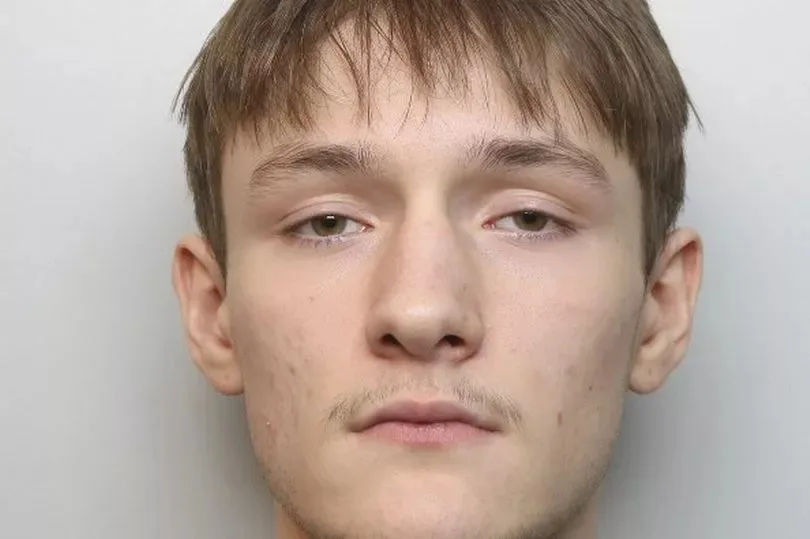
Judge Shaun Smith KC addressed the courtroom with measured words. Turning to Hartle, he told him plainly, “You have been found guilty, you know what those consequences are.” Sentencing has been scheduled for 22 August, but the damage has already been done. For Noah Smedley’s loved ones, no sentence will bring him back.
The broader societal implications of this case are alarming. It highlights the ongoing issue of knife crime among British youth — a phenomenon that continues to claim lives year after year. It also shines a spotlight on the dangers of toxic masculinity, gang culture, and the glorification of violence on social media. For some young people, carrying a knife is no longer seen as a last resort for self-defense but as a symbol of power and prestige. In Hartle’s case, that delusion turned deadly.
Police and community leaders are calling for greater education, intervention, and resources to address the root causes of youth violence. Schools, parents, and youth services all have a role to play in changing the narrative around knife crime and helping teenagers find safer, more constructive paths forward. While harsher punishments for knife carriers may act as a deterrent, they are not a complete solution. Preventative measures, such as mentorship programs and mental health support, are just as vital.
In the end, this case is a reminder of how quickly life can be destroyed — for both the victim and the perpetrator — when violence is allowed to fester unchecked. Noah Smedley’s death was unnecessary, tragic, and avoidable. It is now up to society to ensure that his story is not forgotten and that future tragedies like this one are prevented.