

In a shocking incident that has gripped the Bay Area, a 29-year-old man of Indian origin, Varun Suresh, has been charged with murder after allegedly stabbing a registered sex offender to death in Fremont, California. The attack, described by authorities as a premeditated and targeted killing, unfolded on September 18, 2025, in the quiet neighborhood of Upper Vintners Circle. David Brimmer, a 71-year-old convicted child sex offender, was found unresponsive with multiple stab wounds and pronounced dead at the scene despite emergency efforts.
Suresh, a Fremont resident, was arrested immediately after the brutal assault, during which he chased his victim for two blocks before delivering fatal blows. This case raises profound questions about vigilantism, public access to criminal records, and the boundaries of justice in a society still grappling with the scars of sexual abuse. As details emerge from court documents and police reports, the story reveals a chilling tale of obsession and violence.
The event has sent ripples through local communities, prompting discussions on the ethics of sex offender registries like California’s Megan’s Law database, which Suresh reportedly used to select his target. While some online voices have expressed twisted approval for targeting a convicted predator, law enforcement officials emphasize that no individual has the right to enact extrajudicial punishment. Suresh’s alleged confessions to detectives paint a picture of a man driven by a long-simmering hatred, viewing his actions not as crime but as a moral crusade. As the legal proceedings unfold, this tragedy underscores the tension between public safety measures and the potential for misuse that can lead to deadly consequences.
The Deadly Encounter: A Chase Through Fremont Streets
The violence erupted around noon on September 18, when Fremont Police Department received a 911 call reporting two men fighting in the 600 block of Upper Vintners Circle. Officers arrived to a harrowing scene: David Brimmer lay motionless on the ground in a neighbor’s kitchen, his body riddled with stab wounds to the neck and throat. Blood trailed from the street into the home, evidence of a desperate flight for survival. Despite immediate trauma care administered by first responders, the 71-year-old succumbed to his injuries at the location, leaving behind a community in stunned silence.
According to court documents, Varun Suresh had meticulously planned the attack earlier that morning. He scoured California’s Megan’s Law website, a public database designed to inform communities about registered sex offenders. Screenshots recovered from Suresh’s phone showed profiles of several individuals, including Brimmer’s, timestamped just 45 minutes before the first emergency call. Brimmer’s listing stemmed from a 1995 conviction for lewd and lascivious acts with a child under 14, for which he served nine years in prison. Released decades ago, Brimmer had lived quietly in Fremont, his address readily accessible to anyone with an internet connection.
To blend in and avoid suspicion, Suresh posed as a certified public accountant canvassing the neighborhood for new clients. Armed with a notebook, a bag, and even a cup of coffee, he knocked on several doors, including Brimmer’s, to establish a routine presence. When Brimmer answered, Suresh shook his hand and chillingly confirmed, “I knew I had the right guy.” The elderly man, sensing danger, fought back briefly at the threshold, grabbing a rock as an improvised weapon. He bolted out the door, flailing to flag down a passing car, but no help came. Suresh, knife concealed, pursued relentlessly.
The chase spanned two blocks, a frantic pursuit through suburban streets lined with manicured lawns. Brimmer, weakened by age and vulnerability, sought refuge in a stranger’s garage and then kitchen, pleading for them to call police. Suresh burst in after him, allegedly demanding that Brimmer “repent” as he plunged the blade into his neck.
Read : Who Is Ghislaine Maxwell, Jailed Former Girlfriend of Convicted Sex Offender Jeffrey Epstein?
As the victim flipped onto his stomach and crawled toward escape, Suresh allegedly slit his throat to “make sure it was done.” The homeowner, caught in the chaos, was instructed by Suresh to report Brimmer as the aggressor. Police arrived moments later, finding Suresh still at the scene with the bloody knife in hand. He offered no resistance, reportedly telling officers he had no intention of fleeing and might have summoned them himself.
Read : Air India Becomes World’s No. 1 Airline in Losing Luggage: 50,001 Bags Lost in Last 30 Days
Eyewitness accounts from neighbors describe a scene of pure terror. One resident, speaking anonymously to local media, recalled hearing screams and seeing an older man stumbling desperately, pursued by a younger figure. “It was like something out of a nightmare,” the witness said. “We never thought our quiet street would see something so savage.” The immediate arrest prevented further harm, but the brutality left an indelible mark on the tight-knit Fremont community, where such violence is rare.
Varun Suresh’s Confessions: A Twisted Sense of Justice
In the hours following his arrest, Varun Suresh’s interrogation revealed a mind consumed by vigilante fervor. Charged under Penal Code 187(a) for murder, along with enhancements for great bodily injury and residential burglary, Suresh faced detectives with an eerie calm. He admitted to harboring a desire to kill a sex offender “for years,” explaining that “they hurt children” and “deserve to die.” Dismissing any remorse, he described the act as “honestly really fun,” laughing during parts of his statement—a detail that has horrified investigators and the public alike.
Suresh’s selection of Brimmer was deliberate and calculated. Court records indicate he initially sought an “Indian-race sex offender” to keep the killing “apolitical,” but settled on Brimmer for his advanced age and perceived frailty. “White guys are so much more graceful,” he allegedly quipped, factoring in race as part of his twisted criteria for an “easy” target. During the chase, Suresh reportedly engaged Brimmer in a macabre dialogue, asking if he believed in God and urging him to share his “last words.” He later quoted a grim proverb to detectives: “It is not your duty to decide whether heaven will accept them; it’s your duty to send them to the gates.”
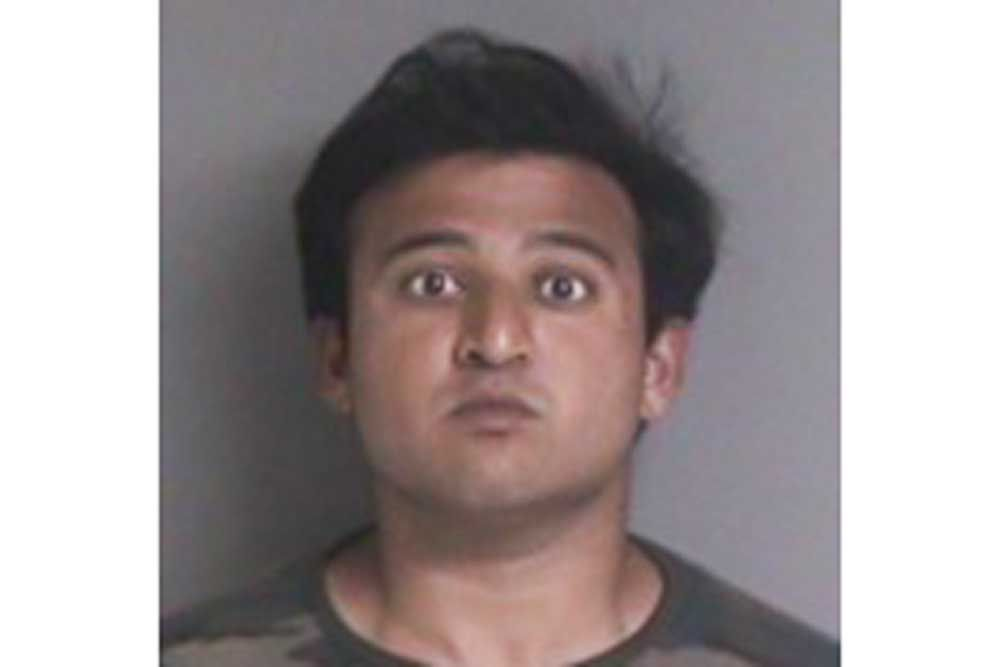
This wasn’t Suresh’s first brush with authorities. In 2021, he was arrested in Fremont for making a false bomb threat at a Hyatt Place hotel, along with charges of criminal threats and burglary. He had left a suspicious bag at the property, later confessing to police that he suspected the hotel chain’s CEO of being a pedophile and was “hunting” him. That incident, resolved without escalation to violence, now appears as a precursor to the deadly escalation in 2025. Friends and acquaintances, speaking to reporters, described Suresh as intelligent but increasingly isolated, with a fixation on online forums discussing child protection and offender accountability.
Suresh’s unapologetic stance has fueled debates online, with some fringe voices hailing him as a folk hero. “I’m hoping that because he’s a pedophile, everyone hates pedophiles so it should be cool,” he told investigators, anticipating public sympathy. Yet, law enforcement remains unequivocal: vigilantism undermines the rule of law. Fremont Police Chief Cynthia Cummings stated in a press release, “While we understand the deep pain caused by crimes against children, taking justice into one’s own hands leads only to more tragedy.” As Suresh awaits arraignment, his case file paints a portrait of obsession unchecked, where public information tools intended for safety became instruments of death.
Legal Ramifications and Broader Implications for Society
Varun Suresh’s murder charge carries severe penalties in California, where first-degree murder convictions can result in life imprisonment without parole. Prosecutors are pursuing special circumstances, including the use of a deadly weapon and the premeditated nature of the attack, which could elevate the case. The residential burglary count stems from Suresh’s intrusion into the neighbor’s home to continue the assault. Bail was denied during his initial court appearance on September 23, with the judge citing the “heinous and calculated” aspects of the crime. Suresh, represented by a public defender, has pleaded not guilty, though his confessions may complicate any defense strategy.
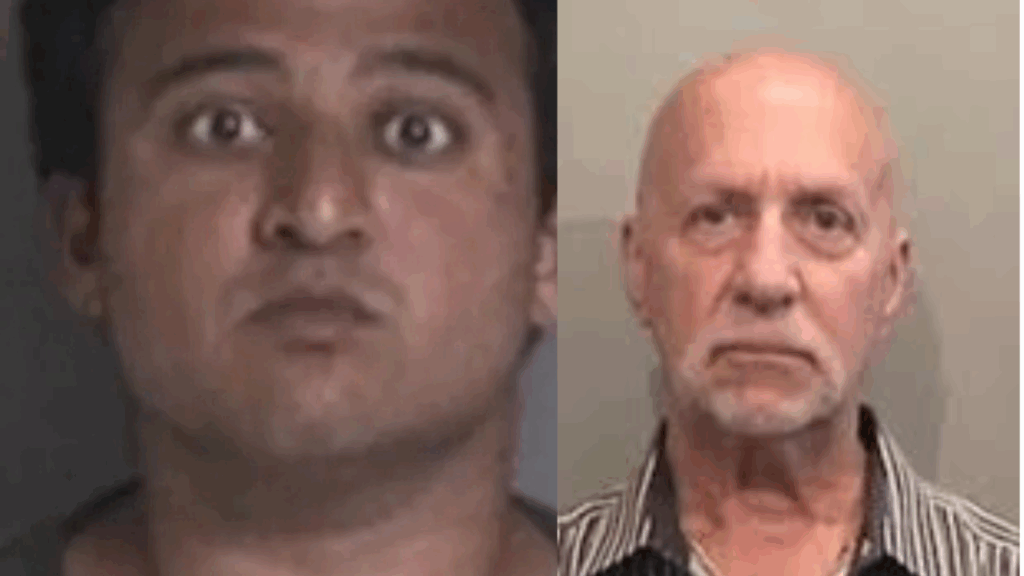
The incident has reignited scrutiny of Megan’s Law, the 1996 federal mandate requiring states to maintain public registries of sex offenders. California’s version, accessible via a simple website search, lists over 100,000 individuals with details like addresses and photos. Proponents argue it empowers communities to protect vulnerable children, but critics, including civil liberties groups, warn of stigmatization and vigilante risks. This is not the first such tragedy; similar attacks have occurred nationwide, from arson to assaults, often justified by the same moral outrage Suresh espoused.
In response, some advocates are calling for reforms, such as anonymizing addresses or limiting access to verified users. On a societal level, the case exposes raw nerves around child sexual abuse, a scourge affecting one in nine girls and one in 20 boys in the U.S., according to federal statistics. Brimmer’s conviction, while decades old, symbolized unresolved trauma for many survivors who feel the justice system fails them.
Suresh’s actions, however abhorrent, tap into that frustration, blurring lines between righteous anger and criminality. Community leaders in Fremont, home to a large Indian-American population, have condemned the violence while urging dialogue on mental health and immigrant experiences. Suresh’s Indian origins—his full name listed as Vishnu Varun Suresh in some records—have drawn international attention, with media in India framing it as a cautionary tale of radicalization abroad.
As the trial looms, this story serves as a stark reminder of justice’s fragility. It challenges us to balance transparency with humanity, ensuring that tools for protection do not become weapons of vengeance. In the end, while Brimmer’s death closes one chapter of accountability, it opens wounds that demand collective healing, not further bloodshed. Fremont, once a serene suburb, now grapples with the shadows of this vigilante’s blade, a grim echo of unresolved societal ills.