
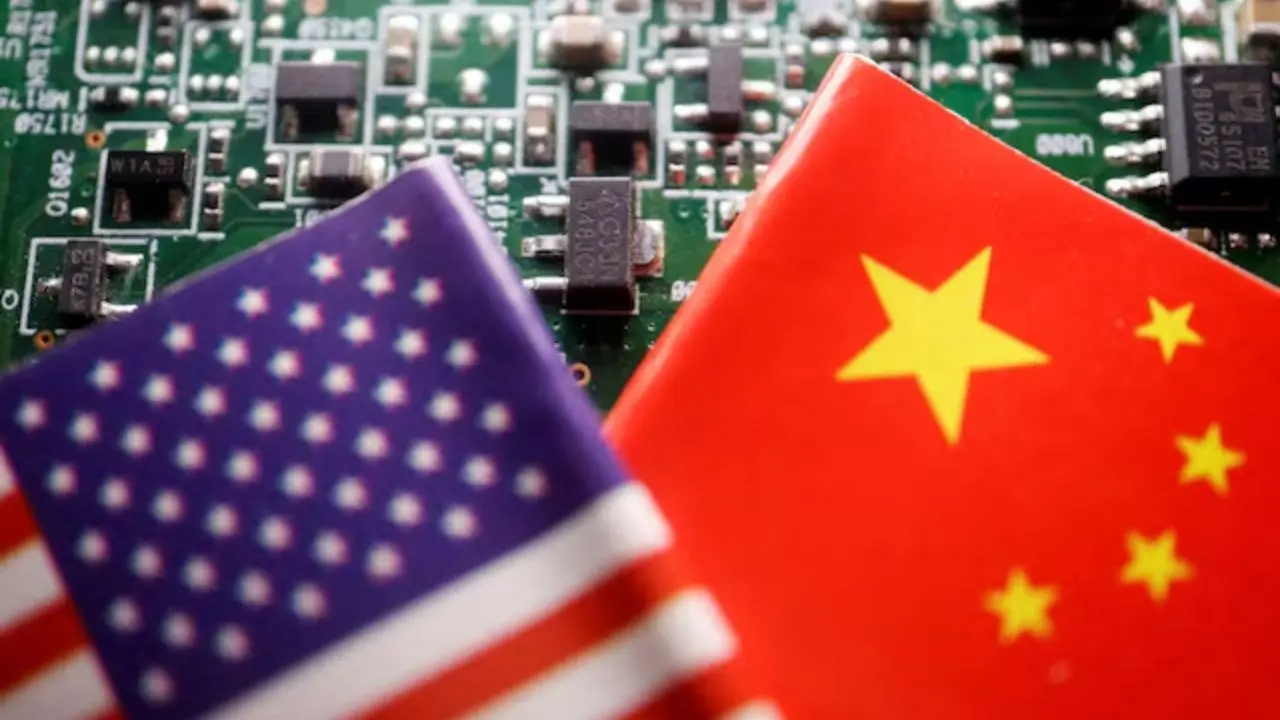
Tensions between the United States and China have intensified further as China Bans Export of Gallium, germanium, and antimony, to the U.S.
This move follows Washington’s latest restrictions on China’s semiconductor industry, marking another significant escalation in the ongoing trade conflict between the world’s two largest economies.
These minerals are crucial for various high-tech applications, especially in semiconductors and military technology, and the ban raises concerns about global supply chains and economic stability.
China Bans Export of Gallium and Germanium
Gallium and germanium are essential materials in modern technology. Gallium, known for its unique properties, is used extensively in semiconductors, which are the backbone of electronic devices, including smartphones, computers, and advanced military systems.
Germanium, on the other hand, plays a critical role in fiber optic cables, infrared technology, and solar panels. Together, these materials are indispensable for both civilian and military applications, making them strategic resources in the global technology race.
China’s decision to restrict these exports comes as no surprise to industry insiders who have been monitoring the escalating trade tensions. Over the past year, Beijing has gradually tightened controls on these minerals, signaling its readiness to use its dominant position in the global supply chain as leverage.
According to data from consultancy Project Blue, China produces over 98% of the world’s refined gallium and more than 59% of refined germanium. This near-monopoly gives China significant influence over global markets, and any disruption in supply can have far-reaching consequences.
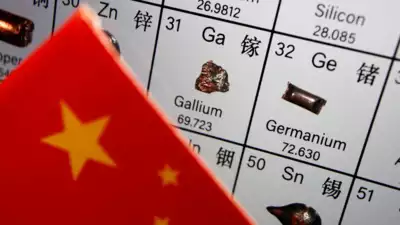
The immediate impact of the ban has been felt in the prices of these minerals. For instance, antimony trioxide prices in Rotterdam have surged dramatically, reflecting market anxiety about potential shortages.
Read : Nepal Accepts $20 Million Grant Assistance from China
The U.S. and other Western countries now face the daunting task of securing alternative sources, which could prove challenging given the limited production capacity outside China.
Read : NATO Accuses China of Aiding Russia’s War on Ukraine
Efforts to develop domestic mining and refining capabilities in countries like the U.S. and Canada have gained urgency, but these projects take time to materialize.
Escalating Trade War and Its Broader Implications
This export ban is the latest salvo in a broader trade war that has been brewing since the Trump administration. Both countries have engaged in tit-for-tat measures, imposing tariffs and restricting access to critical technologies.
The U.S. has implemented multiple rounds of sanctions targeting Chinese technology firms, particularly those involved in the semiconductor industry. The latest crackdown, announced just a day before China’s export ban, affects 140 Chinese companies, including major players like Naura Technology Group.
The U.S. justifies these measures as necessary to protect national security and prevent China from gaining access to advanced technologies that could be used for military purposes.
However, China views them as an attempt to stifle its technological progress and maintain American dominance. This ongoing conflict has created an atmosphere of distrust, with both sides increasingly resorting to economic warfare.
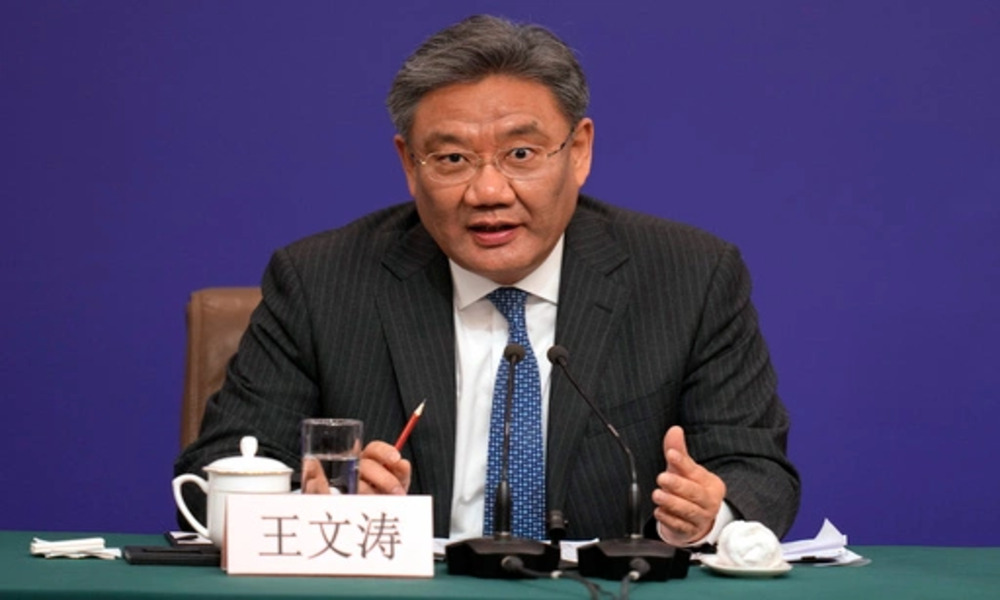
China’s ban on gallium and germanium exports underscores the strategic importance of supply chain security. By targeting these critical minerals, China is sending a clear message that it is willing to leverage its dominance in certain sectors to counter U.S. actions.
This move also raises the specter of further restrictions on other essential materials, such as nickel and cobalt, which are vital for electric vehicle batteries and renewable energy technologies. If China were to impose similar restrictions on these materials, the impact on global markets could be even more severe.
For the U.S. and its allies, China’s actions highlight the need to diversify supply chains and reduce dependence on a single source. The Biden administration has already taken steps in this direction, launching initiatives to strengthen domestic production of critical minerals and collaborating with other countries to secure alternative sources.
However, these efforts face significant challenges. Developing new mining projects is a complex and time-consuming process that requires substantial investment and regulatory approvals.
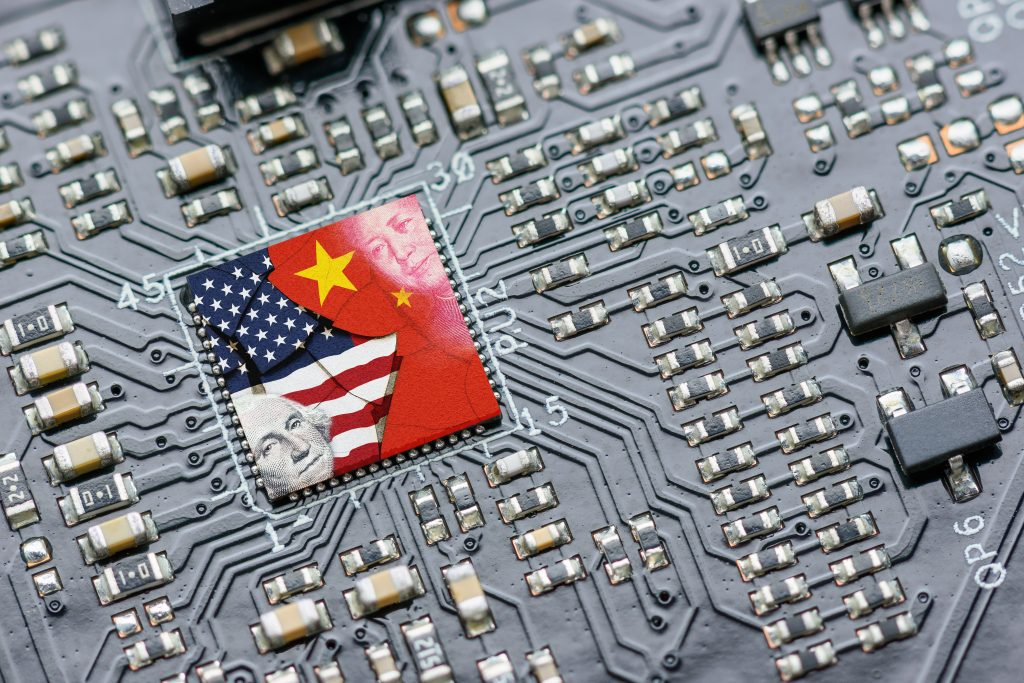
Moreover, the U.S. must navigate the environmental and social implications of expanding domestic mining operations. While there is a growing consensus on the need for greater self-sufficiency, balancing economic security with environmental sustainability remains a critical challenge.
Efforts to secure alternative sources of gallium and germanium will likely focus on countries like Canada, Australia, and European nations, which have untapped reserves but lack the infrastructure to scale up production quickly.
In the short term, the U.S. and its allies may also explore recycling and recovery technologies to reduce reliance on new mining. Innovations in material science could help mitigate the impact of supply chain disruptions, but these solutions are still in the early stages of development.
The private sector will play a crucial role in these efforts, and companies are likely to invest heavily in securing their supply chains and developing alternative sources of critical materials.
China’s export ban also raises broader questions about the future of global trade and economic cooperation. The current conflict reflects a fundamental shift in the global economic landscape, with countries increasingly prioritizing national security over free trade.
This trend could lead to a more fragmented global economy, with significant implications for growth and stability. Businesses will need to adapt to this new reality, and governments will need to strike a delicate balance between protecting national interests and maintaining open markets.
China’s decision to ban the export of gallium, germanium, and antimony to the U.S. marks a significant escalation in the ongoing trade conflict between the two economic superpowers.
These critical minerals are essential for various high-tech applications, and the ban has far-reaching implications for global supply chains and economic stability. The move underscores the strategic importance of securing alternative sources of critical materials and reducing dependence on a single supplier.
For the U.S. and its allies, the challenge will be to develop resilient supply chains while navigating the economic and environmental complexities of domestic production.
The trade war between the U.S. and China shows no signs of abating, and the stakes are higher than ever. As both countries continue to leverage their economic power, the global economy faces an uncertain future, with significant risks and opportunities on the horizon.