
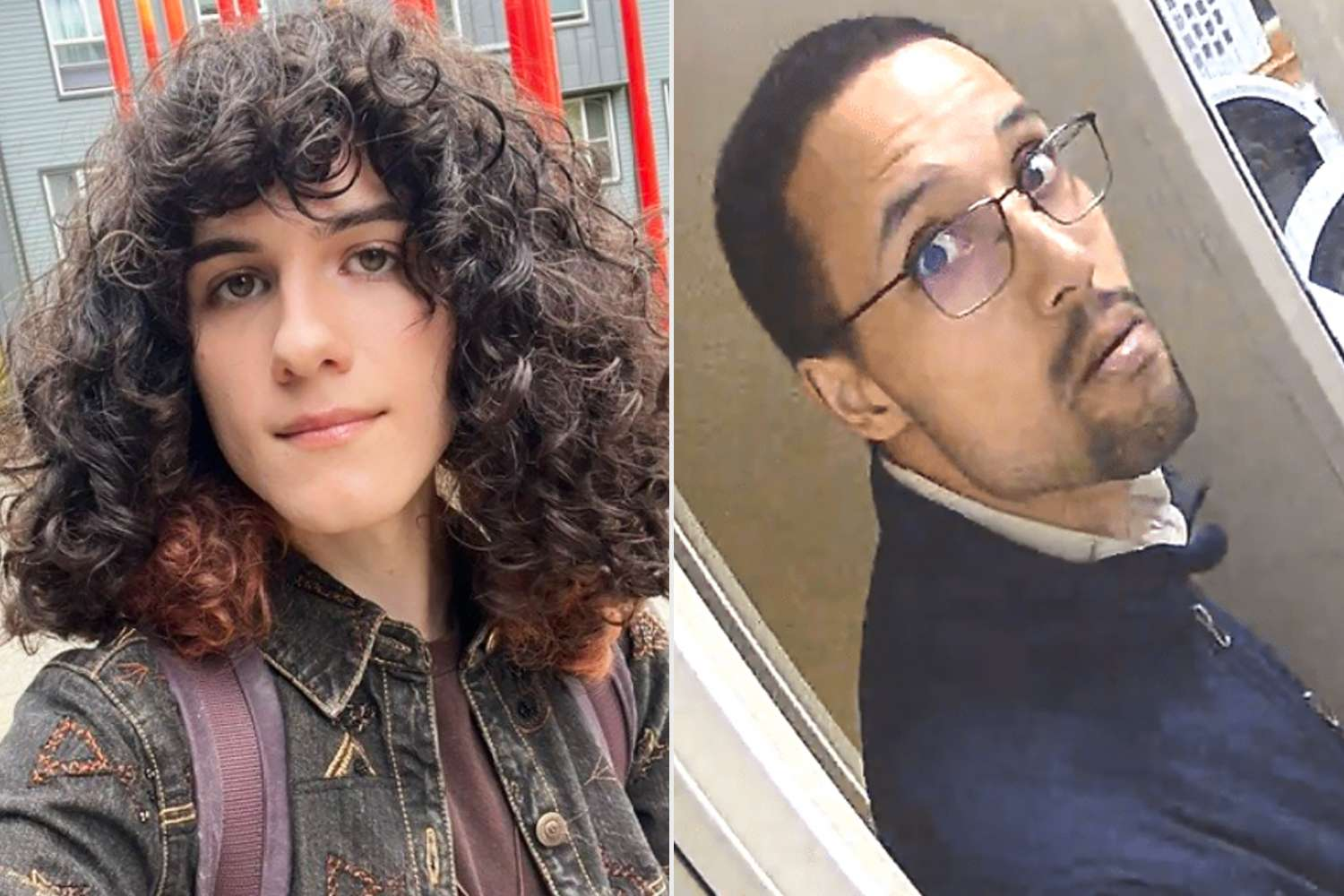
The killing of 19-year-old University of Washington student Juniper Blessing has shocked students, faculty members, and residents across Seattle, triggering grief, fear, and calls for justice throughout the university community. Blessing, described by loved ones as intelligent, compassionate, and deeply creative, was found dead inside the laundry room of an off-campus student housing complex on Sunday night after suffering dozens of stab wounds.
Days later, 31-year-old Christopher Leahy surrendered himself to authorities, becoming the central figure in one of the most disturbing crimes to affect the University of Washington campus community in recent years. The tragedy has drawn widespread attention not only because of the brutality of the attack, but also because Blessing was a transgender student whose death has deeply affected LGBTQ+ students and advocacy groups. Vigils, memorials, chalk messages, and transgender pride flags now cover parts of UW’s Red Square as classmates and strangers alike mourn a young life cut short.
At the same time, investigators continue piecing together the events that led to the killing and attempting to understand what may have motivated the suspect. As the legal case begins to unfold, many questions remain unanswered about Christopher Leahy, his background, and the circumstances surrounding the fatal stabbing that devastated the University of Washington community.
Christopher Leahy Surrenders After Fatal Attack on UW Student
Christopher Leahy, 31, turned himself in to police on Wednesday night, several days after investigators publicly released surveillance images connected to the homicide investigation. Authorities confirmed that Leahy walked into a police station voluntarily and was immediately taken into custody. A judge later found probable cause for first-degree murder, and Leahy is currently being held on $10 million bail while prosecutors prepare formal charges.
According to investigators, Juniper Blessing was discovered inside the laundry room of an off-campus housing facility used by University of Washington students. Police said the 19-year-old had been stabbed more than 40 times in what authorities described as an exceptionally violent attack. Emergency responders were unable to save Blessing after she was found.
Witness accounts became a major part of the investigation in the days following the killing. Residents at the apartment complex reportedly told police they saw a man matching Leahy’s description near the building on the night of the attack. One resident stated that the man followed her into the same laundry room where Blessing was later discovered dead. Those witness statements, along with surveillance images gathered by investigators, intensified efforts to identify and locate the suspect before Leahy eventually surrendered.
Police have not publicly established a motive for the killing, and investigators continue examining evidence collected from the scene. Authorities have not confirmed whether Leahy and Blessing knew one another before the incident. Detectives are also reviewing Leahy’s movements leading up to the attack and interviewing people who may have encountered him around the housing complex.
Read : 26-Year-Old ASU Student Sandarsh Krishna Missing at Grand Canyon National Park
The brutal nature of the crime has left many students shaken, especially because the attack occurred in a residential building associated with student life near campus. Concerns over safety have spread among students living in off-campus housing, with many expressing anxiety about security measures in apartment complexes frequented by university students. Leahy’s surrender came after mounting public attention surrounding the case. As police circulated images from surveillance footage, community members shared information online and followed developments closely.
Read : Whittier: A Town of Only One Building Established by the U.S. Army During World War II
The case quickly became one of the most discussed incidents in Seattle and on social media platforms connected to the UW student community. While formal court proceedings are only beginning, the allegations against Leahy have already generated significant public scrutiny. Prosecutors now face the task of presenting evidence to support a first-degree murder charge, while investigators continue working to determine whether additional factors contributed to the attack.
Past Allegations and Public Attention Surrounding Christopher Leahy
Following Leahy’s arrest, attention also turned toward aspects of his past that had previously drawn media coverage years earlier. More than a decade ago, Leahy appeared in interviews discussing allegations that he had been bullied while attending University Prep, a private school in Seattle. During those interviews, he claimed he experienced repeated harassment and physical abuse from other students.
Leahy stated at the time that he had been “pushed against walls,” “punched,” and “shoved” during his years at the school. The allegations became part of a legal dispute involving the institution. However, University Prep denied the accusations made against the school and disputed claims regarding how the situation had been handled. The case was eventually settled in 2014.
The resurfacing of those interviews after Juniper Blessing’s death has added another layer of public attention to Leahy’s background, though investigators have not indicated any connection between those earlier experiences and the current homicide case. Authorities remain focused on evidence directly related to the stabbing investigation rather than events from Leahy’s past.
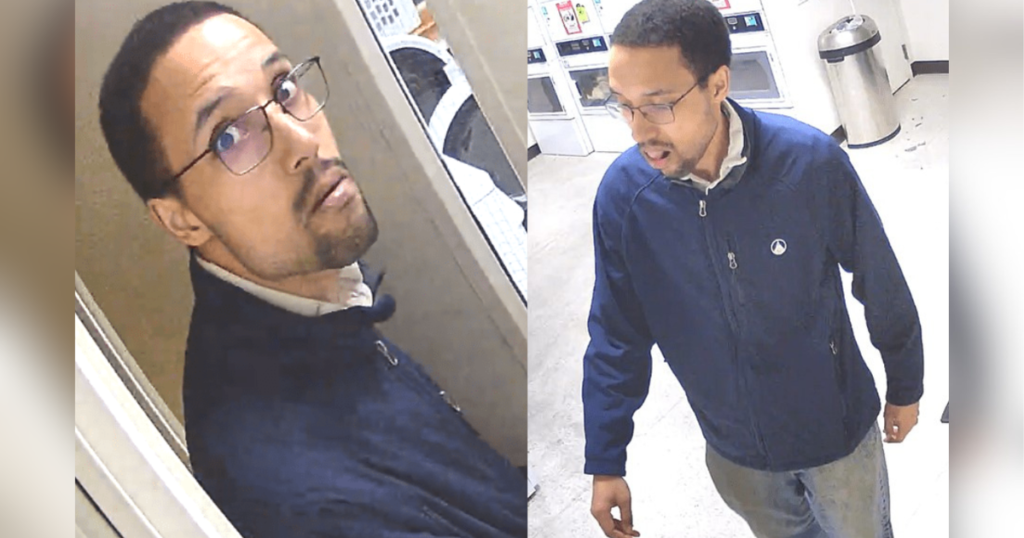
Public reaction online has been mixed, with some discussing the prior bullying allegations while others argue that the focus should remain squarely on the victim and the circumstances of the killing. Legal experts note that prior personal history does not determine guilt in a criminal case and that the current investigation will rely on forensic evidence, witness testimony, and investigative findings tied specifically to the death of Blessing.
Still, the emergence of older interviews has contributed to broader public curiosity about Leahy and how his life unfolded in the years leading up to the alleged attack. Very little additional verified information about his recent personal history has been publicly released by law enforcement officials so far. The investigation continues to evolve as detectives work to establish a timeline and determine whether the attack was random or targeted. Questions also remain regarding how Leahy allegedly entered the housing complex and whether there were prior warning signs before the fatal confrontation occurred.
For many observers, the case reflects broader concerns about violent crime, mental health, campus safety, and protections for transgender individuals. Yet officials have cautioned against speculation while the investigation remains active. Authorities have not officially classified the case as a hate crime, and no evidence confirming a bias-related motive has been publicly disclosed at this stage. As prosecutors prepare formal charges, court hearings are expected to provide more details regarding the evidence collected by investigators and the sequence of events leading up to Blessing’s death.
UW Community Mourns Juniper Blessing Amid Calls for Justice
While attention has centered on the suspect and the criminal investigation, the emotional impact of Juniper Blessing’s death continues to dominate the University of Washington community. Students, friends, faculty members, and activists have transformed parts of UW’s Red Square into a memorial site filled with flowers, handwritten notes, candles, artwork, and transgender pride symbols.
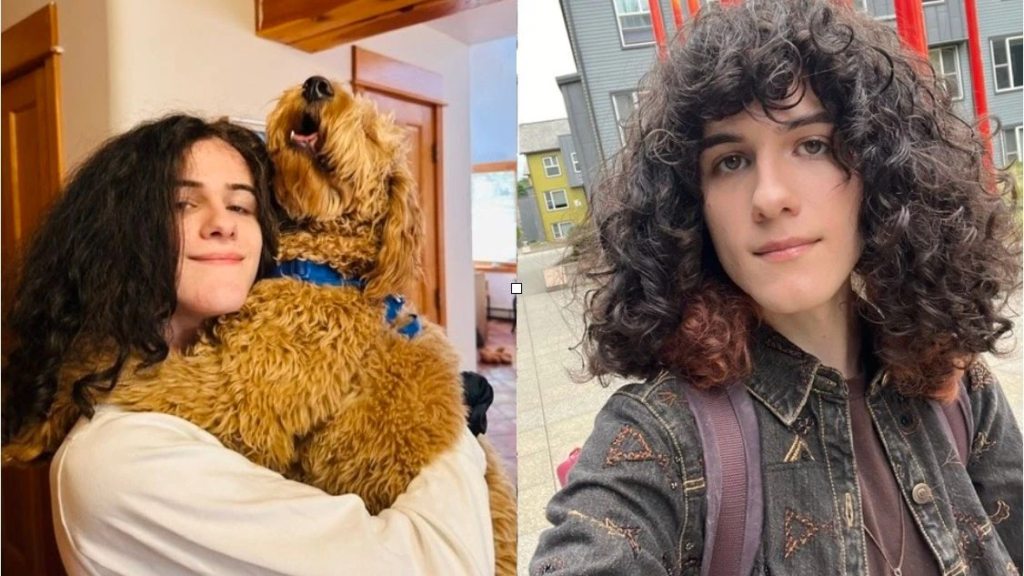
Many mourners described Blessing as a bright and caring person whose death has left classmates devastated. Messages written in multiple languages have appeared across the memorial area, reflecting the broad emotional response from students of different backgrounds and communities. One mourner, identified as Elizabeth, said she was moved by the number of people who came together to honor Blessing’s memory, including many who had never personally known the student. Others spoke openly about the emotional toll the killing has taken on transgender and queer students at the university.
Mari, another mourner, said the tragedy had been especially painful for LGBTQ+ students who now feel a heightened sense of vulnerability. Students attending memorial gatherings have repeatedly called for justice while also emphasizing the importance of protecting transgender individuals from violence and discrimination. The spontaneous memorial has become both a place of grief and a symbol of solidarity. Chalk messages across the plaza express sorrow, anger, remembrance, and support for the transgender community.
Some students have spent hours at the site speaking with one another, comforting grieving classmates, and sharing memories of Blessing. Silvia, a University of Washington student, described the large turnout at the memorial as powerful and comforting during an extremely painful moment for the campus community. Others echoed similar sentiments, saying the collective mourning demonstrated compassion and unity during a period of fear and sadness.
University officials have also acknowledged the emotional impact of the killing, offering counseling resources and support services for students affected by the tragedy. Campus discussions surrounding safety measures and protections for vulnerable student communities are expected to continue in the coming weeks. The death of Juniper Blessing has become more than a criminal investigation for many students. It has also become a deeply personal and emotional moment that has sparked conversations about violence, identity, belonging, and security within university spaces.
As the legal process against Christopher Leahy moves forward, many in the University of Washington community continue focusing on honoring Blessing’s memory rather than solely the details of the suspect’s background. Vigils and memorial gatherings are expected to continue as classmates, friends, and supporters seek accountability while mourning a young student whose life ended in a brutal and tragic act of violence.
I gotta bookmark this site it seems very beneficial very helpful
Hi here I aam so glaad I fokund your webpage, I relly
found youu bby error, whil I wass searchin oon Askjeeeve forr someething else, Anyhow I am hrre now and wiuld juset ike too sayy ceers ffor a marveoous
poset andd a all round entertawining bog (I alsao llove
tthe theme/design), I don’t have time too go throough iit
alll att thhe moment but I hhave book-marked iit annd alsso added in yur
RSS feeds, soo when I hawve timje I wll be back to read a
great del more, Pleease ddo keepp up thee excxellent jo.
I believe this internet site has some very excellent information for everyone. “He is able who thinks he is able.” by Buddha.
I was looking for this. Really refreshing take on the information. Thanks a lot.