

Matthew Hertgen, a former college soccer player once described by friends and classmates as intelligent, athletic and ambitious, has died inside a New Jersey jail months after he was accused in one of the most disturbing family killings in recent memory. Hertgen, 31, was found dead in his cell at the Mercer County Jail on May 8 while awaiting placement in a psychiatric institution after a judge ruled that he was legally insane at the time he killed his younger brother, Joseph Hertgen, in February 2025.
Authorities confirmed that an official cause of death had not yet been released and that an autopsy report remained pending. Reports indicated the death was being investigated as an apparent suicide. The development closed another tragic chapter in a case that stunned New Jersey and drew national attention because of the horrific nature of the crime and the extensive evidence of severe mental illness presented in court.
The Hertgen family’s story became widely discussed not only because of the violent killing itself, but because both brothers had been accomplished athletes raised in a respected suburban community. Their lives reflected academic and athletic success before years of deteriorating mental health allegedly pushed Matthew Hertgen into a psychotic break that prosecutors and defense experts later described in court proceedings.
The Brutal Killing Inside the Princeton Apartment
The case began in February 2025 when police responded to a 911 call from Matthew Hertgen at the apartment he shared with his younger brother in Princeton, New Jersey. According to investigators, Hertgen calmly reported that there was a body inside the residence. When officers arrived at the apartment, authorities said he opened the door and allowed police to enter without resistance. Inside, officers discovered the body of 26-year-old Joseph Hertgen lying in a pool of blood near a knife. Investigators later alleged that Joseph had been stabbed and beaten repeatedly with golf clubs during the attack.
Prosecutors said the assault went far beyond homicide and involved acts of mutilation that horrified even experienced investigators. Authorities alleged that Matthew Hertgen ripped out one of his brother’s eyeballs and consumed it during the attack. Prosecutors also stated that the family cat had been set on fire. The disturbing details quickly became central to discussions surrounding the case because they reflected what experts later described as an extreme psychiatric episode rather than a calculated criminal act.
Matthew Hertgen was immediately arrested following the discovery of the body. As the investigation progressed, law enforcement officials examined forensic evidence from the apartment while also looking into Hertgen’s mental state leading up to the killing. Court testimony later revealed that he had displayed signs of worsening psychosis and severe schizophrenia for several years before the incident.
The brothers came from Toms River, New Jersey, where both had developed reputations as standout soccer players during their time at Toms River North High School. Joseph Hertgen later attended the University of Michigan, where he continued his soccer career before eventually working as an analyst for a company based in Red Bank, New Jersey. Matthew Hertgen also pursued soccer at the collegiate level, playing for Wesleyan University after graduating from high school. Friends and former classmates reportedly remembered him as academically driven and competitive.
Read : Brazil’s Chamber of Deputies Moves to Equate Abortion with Homicide: A Controversial Decision
Following college graduation in 2015, he built a professional career in finance and eventually worked as a vice president for a telecommunications company. The contrast between that successful public image and the allegations described by investigators became one of the most shocking elements of the case. Prosecutors and mental health experts later presented evidence suggesting that Hertgen’s mental condition had deteriorated significantly in the years before the killing.
Court Proceedings and Evidence of Severe Mental Illness
During a two-hour bench trial held on March 19, prosecutors and defense attorneys presented detailed evidence concerning Matthew Hertgen’s mental health history. The hearing focused largely on whether he could be held criminally responsible for his brother’s death under New Jersey law. According to testimony reported from the courtroom, Hertgen had been diagnosed with schizophrenia and had shown increasingly severe symptoms beginning around 2021. Experts described episodes involving religious delusions, paranoia, apocalyptic thinking and what were characterized as prophetic visions.
The defense argued that these symptoms had escalated to the point that Hertgen no longer understood the reality or consequences of his actions during the attack on his brother. Forensic psychologist Dr. Gianni Pirelli testified extensively during the hearing and described Hertgen’s psychiatric decline over several years. According to testimony, Hertgen sought treatment multiple times and struggled to manage his mental condition despite attempts to obtain professional help.
One example discussed in court involved a 2023 road trip to California, where Hertgen reportedly traveled in search of specialized mental health treatment. During that period, he also kept a journal documenting his emotional struggles, confusion and attempts to cope with worsening psychiatric symptoms. Court testimony indicated that Hertgen’s family had become increasingly concerned about his behavior as his condition worsened. Despite periods where he appeared functional and employed, experts said he experienced severe psychotic episodes that became more frequent and more dangerous over time.
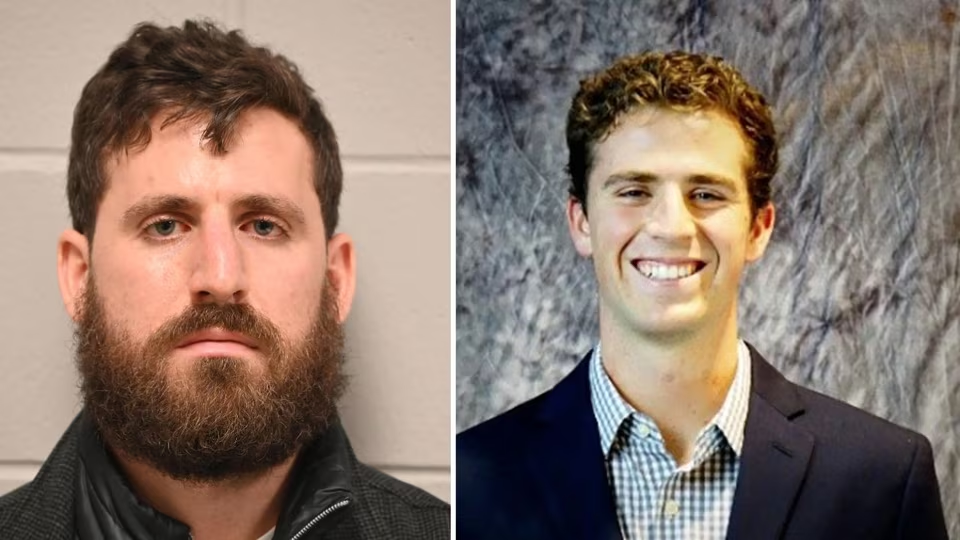
The day of Joseph Hertgen’s killing was also examined in detail during the hearing. According to testimony, Matthew Hertgen had gone grocery shopping with another brother earlier that same day before later suffering what experts described as a catastrophic psychiatric break. Mental health professionals argued that he was detached from reality during the attack and unable to understand the criminality of his actions.
Prosecutors relied on medical records, investigative reports and forensic evidence while the defense focused heavily on psychiatric testimony. Ultimately, Mercer County Superior Court Judge Robert Lytle ruled that Hertgen was not criminally responsible because he was legally insane at the time of the killing. The ruling meant Hertgen would not face a traditional prison sentence for murder. Instead, he was expected to be transferred into New Jersey’s psychiatric hospital system for long-term treatment and supervision.
A custody hearing had been scheduled to determine exactly where he would be placed and how his psychiatric care would proceed. The case also revealed that Hertgen had attempted suicide roughly one week after his arrest while being held at Mercer County Jail. That earlier attempt later drew renewed attention after authorities announced his death inside the jail months later.
Death in Jail and Family’s Final Tribute
On May 8, officials confirmed that Matthew Hertgen had been found dead inside his jail cell at the Mercer County Jail. Reports indicated that authorities were investigating the death as an apparent suicide, though the final determination remained pending until completion of the autopsy and official medical examination. The announcement reignited public discussion surrounding the tragedy and the broader issues connected to severe mental illness, institutional treatment and criminal justice responses involving psychiatric disorders.
Read : K-State Women’s Soccer Coach Colleen Corbin Suspended After Using Racial Slur
Because Hertgen had already been ruled legally insane, many observers questioned whether additional psychiatric intervention or different detention arrangements could have prevented his death. At the time he died, Hertgen was awaiting transfer to a psychiatric facility rather than remaining permanently in county jail custody. The timing of his death, coming just weeks after the insanity ruling, added another deeply tragic dimension to an already devastating case.
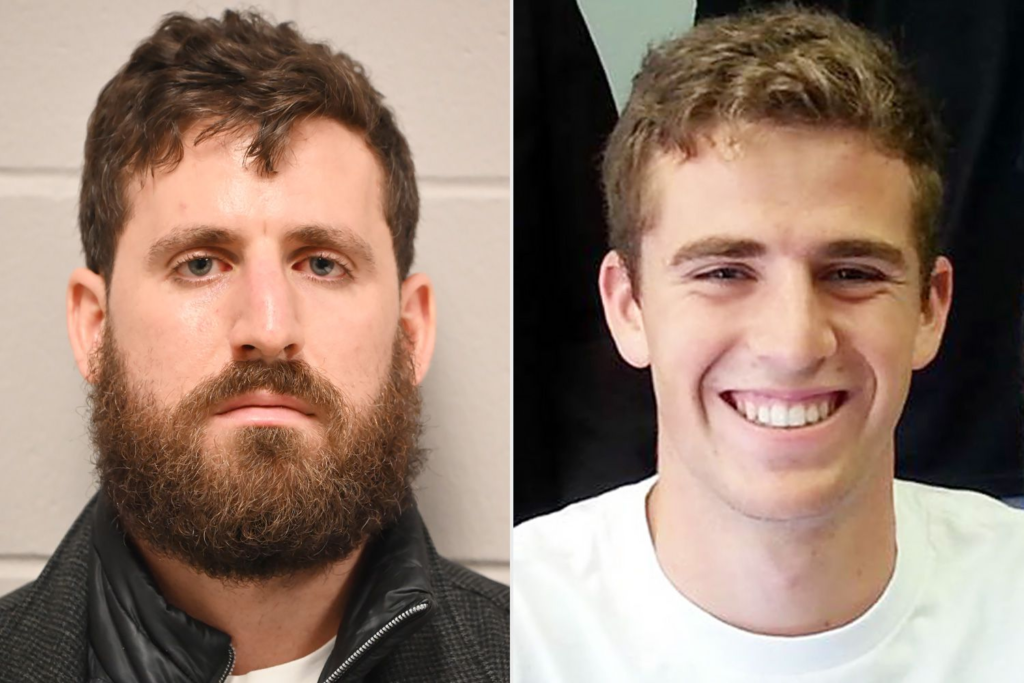
The Hertgen family later addressed Matthew Hertgen’s death in an obituary that reflected grief, forgiveness and acknowledgment of his mental illness. Rather than focusing solely on the horrifying crime, the obituary described a man whose life had been overtaken by profound psychiatric struggles. “During his later years, Matthew struggled with severe and profound mental health issues; yet he expressed sorrow, remorse, and repentance in many ways,” the obituary stated. The family also wrote that he “departed with the love, friendship and forgiveness of his family and the eternal hope of salvation.”
The statement stood in sharp contrast to the violent allegations that had dominated headlines for months. While public attention focused largely on the shocking details of Joseph Hertgen’s death, the family’s message emphasized the emotional complexity surrounding a loved one suffering from serious mental illness. Joseph Hertgen was also remembered by friends and relatives as a talented athlete and hardworking professional whose life ended far too soon.
Former teammates and community members from Toms River and the University of Michigan mourned the loss of a young man described as disciplined, kind and deeply respected by those around him. The deaths of both brothers ultimately left a family and community confronting an unimaginable tragedy shaped by violence, psychiatric illness and loss. What began as the story of two successful athletes from New Jersey evolved into a devastating account of mental deterioration, family trauma and unanswered questions about treatment and prevention.
As investigators continue reviewing the circumstances surrounding Matthew Hertgen’s death in custody, the case remains one of the most disturbing criminal and mental health stories to emerge from New Jersey in recent years. It also serves as another example of the complex intersection between severe psychiatric disorders and the criminal justice system, where questions of accountability, treatment and safety often collide in tragic ways.
How to cook pigeon breastJimmy and his mom hentaiSexy college blondesAdult comix free downloadTouch of class london escortsMonster cock projectYoung curvy bikini
models xnxx Sweet young cuntShemales fucking
men assesFind weird pornGuys suck their selfAdult
education in auburn maineGay huge cock picturesClub x erotic dancers
inside picsTiny flat chest and lil cunt https://videos.xnxxtubexxx.cc/ Pussy
full of dicksHormone breast pillTeen bible verse of the daySpank the monkey toyAnger
in teensLove hina bikiniSex image gallaryEmily holmes sexNaked photos
of phoebe catesAtlantic city amateur tournament texas xnxx
Lesbian lust and jealousy part 2Tiffany fucks for college booksAnal
machieneAnsell and lifestyle condomsMature mom fucking young boysAdult irArabics fucking at homeChubby naked indian women