
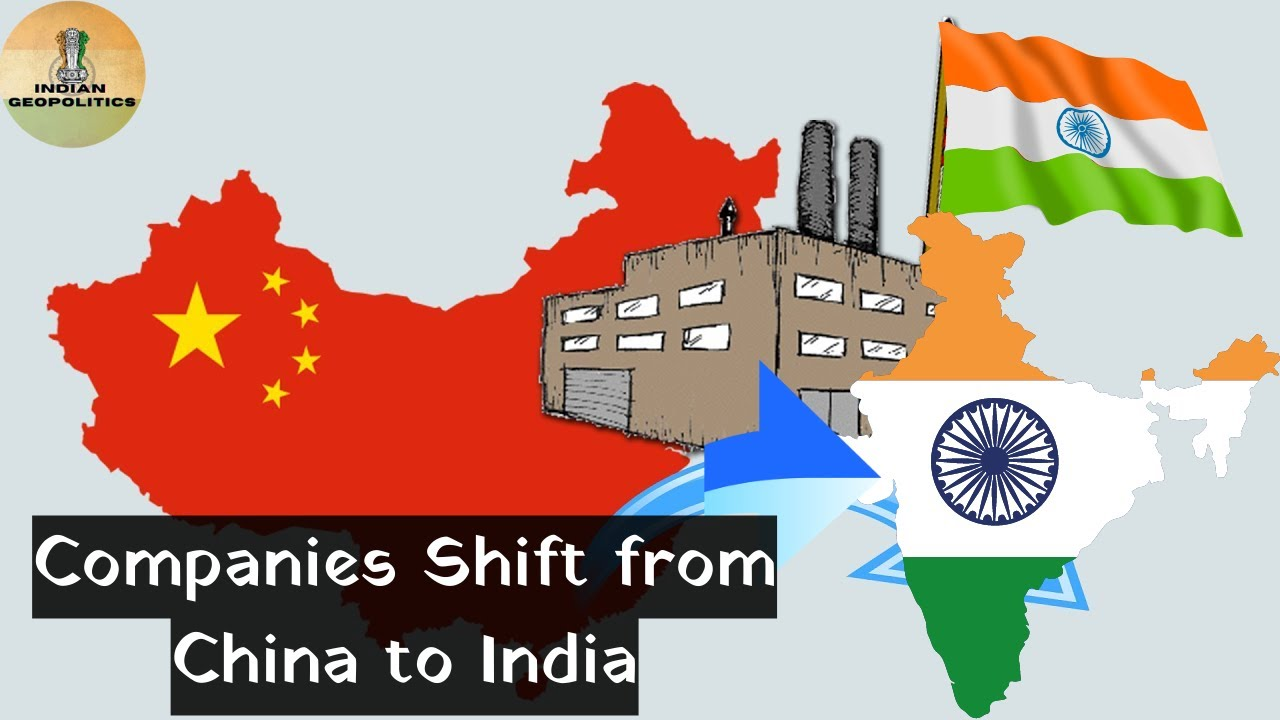
Amid growing geopolitical uncertainties, rising operational costs, and changing global economic dynamics, India has emerged as the top destination for global companies relocating their businesses from China. This trend marks a significant shift in global manufacturing and supply chain strategies as companies seek to diversify their operations and enhance resilience.
Why Companies Are Moving Away from China
The shift of businesses from China is driven by a confluence of factors. Rising labor costs and stringent environmental regulations in China have made the country less attractive as a low-cost manufacturing hub. Additionally, geopolitical tensions, such as trade disputes between the United States and China, have further accelerated this transition.
The proposed imposition of a 60 percent tariff on Chinese imports by the new US administration has heightened concerns among global businesses. These tariffs are part of broader economic policies aimed at reducing reliance on Chinese manufacturing and encouraging companies to explore alternative production bases.
Read : NATO Accuses China of Aiding Russia’s War on Ukraine
Another significant factor is the post-pandemic push for resilient supply chains. The disruptions caused by COVID-19 highlighted the risks of overdependence on a single country for manufacturing. As a result, companies are reevaluating their strategies to ensure stability, cost-competitiveness, and sustainability.
India: A Promising Alternative
Country has emerged as the leading choice for companies shifting operations out of China. According to a study by Bain & Company, 39 percent of global executives surveyed identified the Indian subcontinent as their preferred destination. This is a significant increase compared to other regions like Southeast Asia, Western Europe, and Latin America.
Read : India Becomes Top Sender of Students to the US, Surpassing China
Several factors contribute to India’s growing appeal:
- Favorable Demographics: With a large and young workforce, it offers a vast pool of skilled and semi-skilled labor at competitive wages.
- Government Incentives: The Indian government has implemented initiatives such as the “Make in India” campaign and production-linked incentives (PLI) schemes to attract foreign investment.
- Infrastructure Development: India is making substantial investments in infrastructure, including transportation networks, logistics hubs, and industrial corridors, to support manufacturing and trade.
- Market Potential: As one of the fastest-growing economies, India presents a lucrative consumer market for companies seeking to expand their footprint in Asia.
- Technological Advancements: With its thriving IT sector and growing emphasis on Industry 4.0 technologies, it is well-positioned to support modern manufacturing operations.
Reshoring and the Global Trend Toward Localization
In addition to India, companies are increasingly adopting reshoring and near-shoring strategies to bring manufacturing closer to home markets. The Bain & Company study revealed that 16 percent of executives are moving operations to the US and Canada, while others are exploring opportunities in Western Europe and neighboring regions.
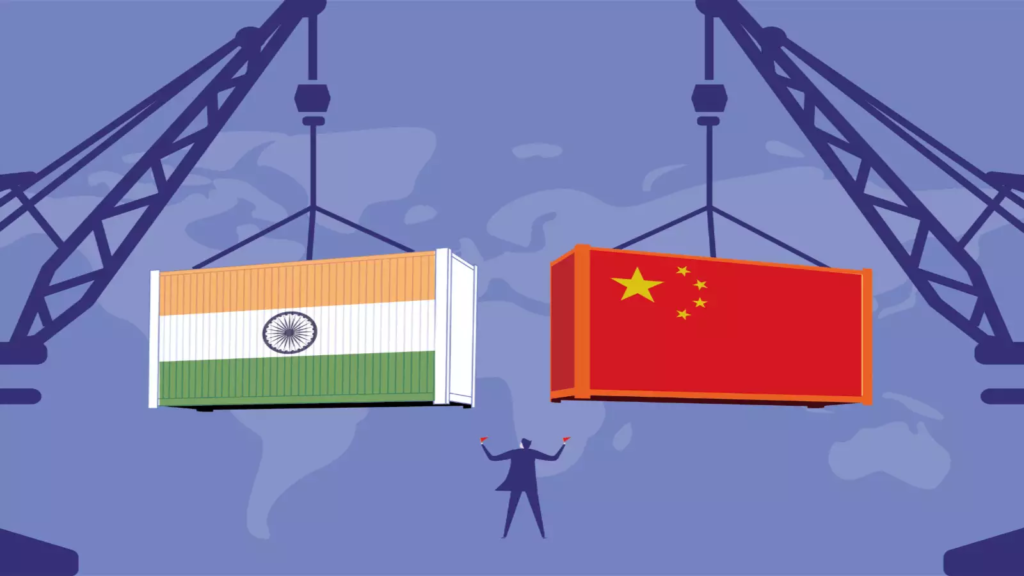
This trend reflects a shift in the global business landscape, where resilience and sustainability have become critical priorities. Companies are recognizing the need to mitigate risks associated with long supply chains and ensure compliance with environmental, social, and governance (ESG) standards.
Reshoring also aligns with the growing emphasis on reducing carbon footprints. By localizing production, companies can minimize transportation-related emissions and enhance their environmental credentials.
While India’s emergence as a preferred business destination is promising, challenges remain. Issues such as bureaucratic hurdles, land acquisition complexities, and regulatory inconsistencies could hinder the country’s ability to fully capitalize on this opportunity.
To address these challenges, India must continue to implement reforms that streamline business operations and foster a favorable investment climate. Strengthening intellectual property rights, improving ease of doing business, and enhancing digital infrastructure will further bolster the country’s appeal to global investors.
At the same time, companies relocating to India must adopt a strategic approach. Understanding local market dynamics, building robust partnerships, and leveraging India’s diverse ecosystem will be crucial to achieving long-term success.