
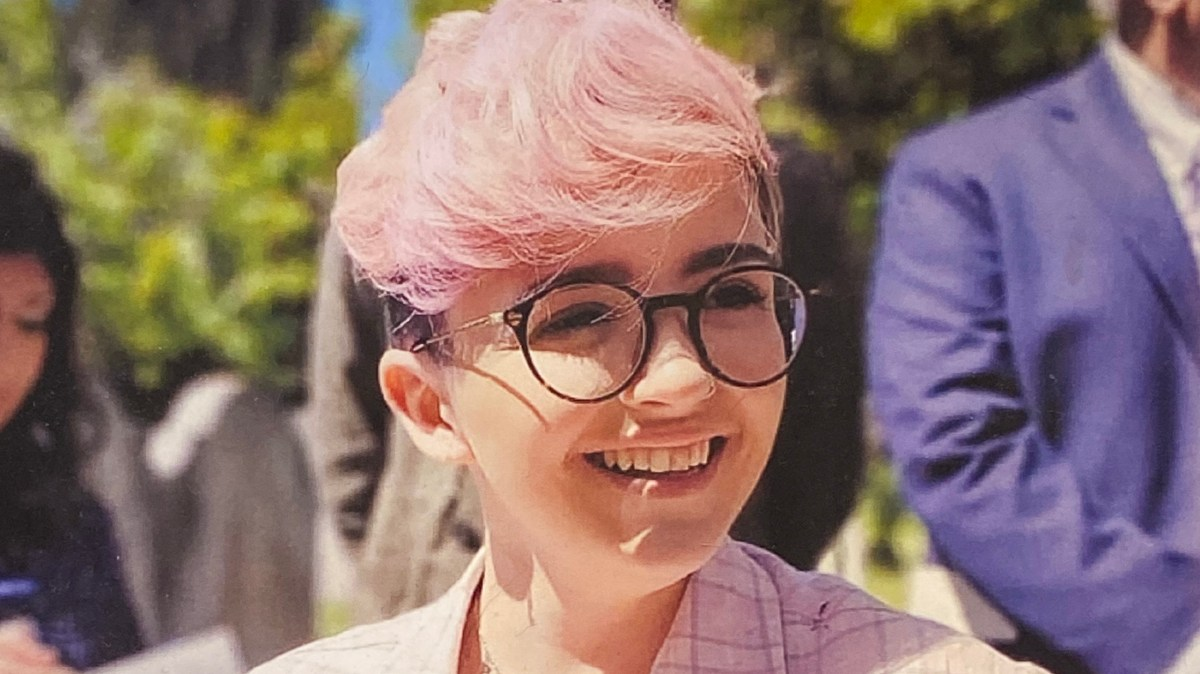
The tragic death of 25-year-old Imogen Nunn, a popular deaf TikTok star from Brighton, has become a stark symbol of the systemic failures within the UK’s mental health system, particularly when it comes to accommodating deaf individuals.
Born deaf and a passionate advocate for mental health and hearing-related issues, Imogen used her growing social media platform to inspire and educate over 780,000 followers. However, despite her openness about her struggles and repeated cries for help, she died by suicide on New Year’s Day 2023 after ingesting a poisonous chemical she had ordered online.
Imogen Nunn’s death has sent shockwaves through both the deaf and wider communities. It highlights glaring shortcomings in how mental health services assess and respond to high-risk cases, particularly for those who rely on British Sign Language (BSL) to communicate.
A recent inquest into her death has exposed deep-rooted challenges, raising questions about accountability, accessibility, and the capacity of mental health services to protect vulnerable individuals like Imogen.
Warnings Ignored and Safeguards Missed
Imogen Nunn’s story is not one of someone who suffered in silence. She actively reached out to her support system, expressing suicidal thoughts and seeking intervention. In fact, just days before her death, she sent a text to her therapist stating clearly, “I want to be admitted to hospital I can’t keep myself safe.”
This was not an isolated plea. In October 2022, she had previously attempted suicide. By November 14, she had ordered a chemical substance online, and on November 23, she informed her support worker she had obtained something intended for ending her life.
Despite these clear red flags, no substantial changes were made to her care plan. While the police were contacted after she disclosed her suicide plan, there was no long-term intervention or strategy implemented to address the escalating risk. On December 29, a mere three days before her death, Imogen received a check-in from care professionals.
However, that session was conducted without a BSL interpreter due to what was described as a lack of time to arrange one. The decision to proceed without ensuring full communication capabilities arguably denied Imogen the opportunity to fully express the severity of her distress.
Read : Outrage! 23-Year-Old Valeria Márquez Shot Dead During TikTok Livestream
Senior coroner Penelope Schofield stated during the inquest that there was a “failure by mental health services to manage her risk by failing to review her care plan following a suicide attempt in October 2022.”
Read : Experts Warn Against Viral Castor Oil Trend on TikTok
She emphasized the repeated neglect in implementing safeguarding measures, especially after Imogen Nunn disclosed her contact with a pro-suicide website and her purchase of lethal chemicals. These failures, according to Schofield, directly contributed to the conditions that led to Imogen’s death.
Systemic Challenges in Mental Health Care for the Deaf
Imogen Nunn’s inquest revealed that her tragic end was not solely the result of individual oversight but of long-standing systemic issues that have plagued the UK’s mental health services. A critical shortage of British Sign Language interpreters was cited as a significant barrier to providing adequate care.
The absence of an interpreter during the December 29 visit was not an isolated incident. Even the inquest itself had to be postponed for two months because of a lack of interpreters for two deaf witnesses, further exemplifying the systemic inaccessibility faced by deaf individuals.
Schofield acknowledged this wider context in her findings, stating, “This is on a background of systemic, longstanding and well-documented challenges in the provision of mental health for deaf patients.” She specifically referenced the shortage of BSL interpreters as a crucial impediment to effective communication. When individuals in crisis cannot fully articulate their emotional and psychological state due to language barriers, the consequences can be devastating.
An expert from the National Register of Communication Professionals working with Deaf and Deafblind People (NRCPD) testified that failing to provide appropriate translation services for deaf people could amount to a violation of human rights.
In light of this, the coroner found an arguable breach of Article Two of the European Convention on Human Rights, which pertains to the right to life. Schofield announced that a second “prevention of future deaths” report would be issued to address these urgent concerns and prevent similar tragedies.
In addition to interpreter shortages, discrepancies in record keeping by mental health professionals also came under scrutiny. Imogen Nunn’s care co-ordinator, Ray McCullagh, was found to have multiple inconsistencies in his documentation. Although these discrepancies did not wholly undermine the therapeutic relationship, they were indicative of a broader failure in maintaining a standard of care.
A Call for Accountability and Reform
The coroner’s findings have triggered a broader conversation about how institutions must adapt to meet the needs of all patients, especially those in marginalized communities. Schofield has pledged to write to multiple government departments—including the Cabinet Office, Department for Education, Department for Work and Pensions, and Department of Health and Social Care—urging action to address the “systemic” issues that the inquest has illuminated.
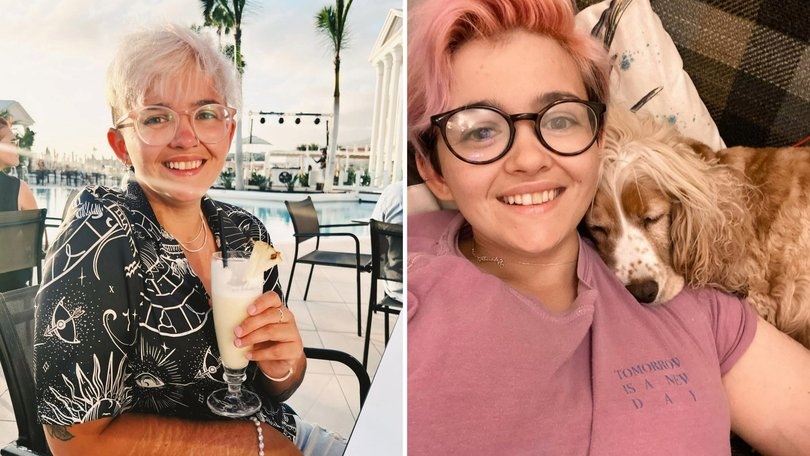
While these institutional actions are welcome steps toward reform, the emotional toll on Imogen Nunn’s family remains immeasurable. Her mother, Louise Nunn, paid a moving tribute, describing her daughter as “our rainbow – she would make you feel so special whenever she was around and her heart was filled only with love.” The inquest has brought visibility to Imogen’s story, but for her loved ones, it is a painful reminder of what was lost due to a preventable failure in care.
Imogen Nunn’s death must not be forgotten or viewed as an isolated incident. It serves as a powerful reminder of the urgent need to overhaul how mental health services operate, particularly when dealing with those who rely on non-verbal communication methods. Mental health support must be inclusive, accessible, and equipped with the resources needed to address the full spectrum of human diversity.
Imogen Nunn had the courage to speak out, to ask for help, and to shine a light on issues that many still overlook. That courage must now be met with action. Institutions must learn from this tragedy, not just to honor Imogen’s memory but to safeguard others who find themselves navigating a system that too often falls short.
The failure to protect Imogen Nunn is not just a reflection of one institution’s oversight; it is a national failing that calls for immediate correction. Her death has become a painful, glaring symbol of what happens when vulnerability is met with inaction, and when pleas for help are heard but not acted upon. If change is to come, it must begin with listening—not just hearing the words, but truly understanding and responding to the needs of those most at risk.