
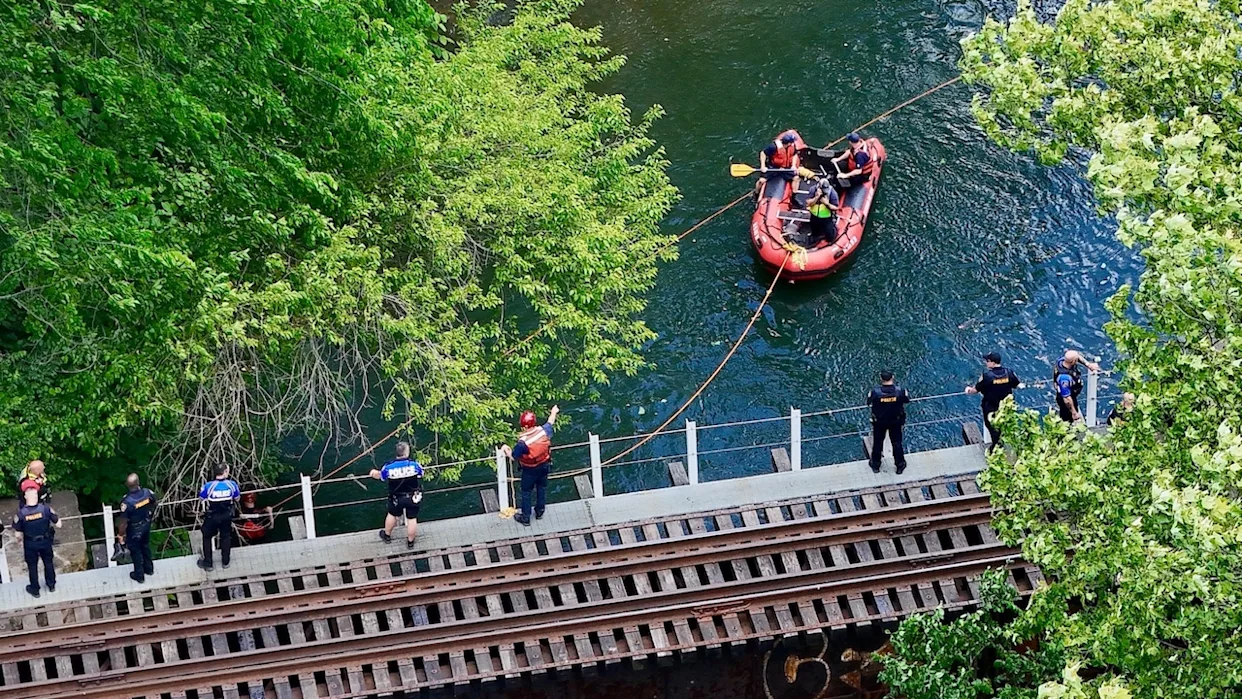
A tragic afternoon in Allentown, Pennsylvania, ended with the death of a 17-year-old boy after he jumped from a bridge into Jordan Creek while spending time with friends. Authorities said the teenager failed to resurface after entering the water, prompting a large emergency response and leaving family members, classmates, and the local community devastated. The incident unfolded near the 300 block of Basin Street and quickly drew attention from witnesses and rescue crews searching the creek for hours.
According to the Lehigh County Coroner’s Office & Forensic Center, the teenager was an Allentown resident whose identity has not been publicly released out of respect for his family. Officials confirmed he was pronounced dead at 2:21 p.m. after emergency responders were called to the area earlier in the day. An autopsy was scheduled following the incident as investigators worked to determine the exact circumstances surrounding the drowning.
The heartbreaking case has sparked conversations about water safety, teenage risk-taking, and the dangers of jumping into unfamiliar bodies of water. Friends described the victim as kind and caring, while witnesses at the scene spoke about the emotional reactions of those who had been with him moments before the tragedy occurred.
Search Efforts Underway After Teen Failed to Resurface
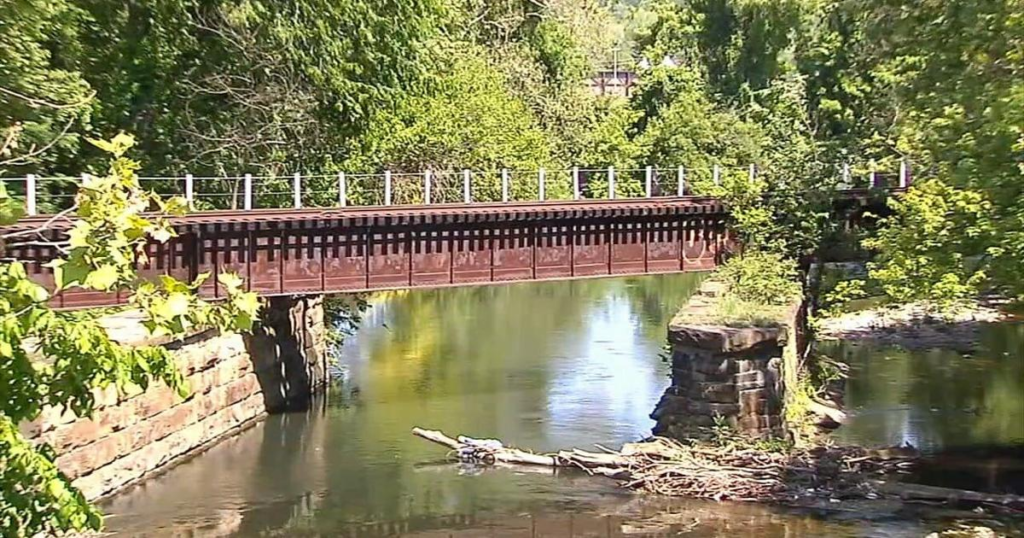
Emergency crews reportedly arrived at Jordan Creek shortly after 11 a.m. after receiving reports that a teenager had jumped from a trestle bridge into the water and disappeared beneath the surface. Rescue personnel from local police and fire departments responded quickly, launching a search operation in an attempt to locate the missing teen. Video footage captured at the scene showed rescue teams searching the creek using boats while several people gathered nearby watching anxiously from the bridge above.
Witnesses described a tense and emotional atmosphere as friends of the victim waited for updates from first responders. The operation continued for several hours before authorities recovered the teenager. Officials later confirmed that the area of the creek where the victim entered the water was approximately six feet deep. Although that depth may not initially appear dangerous, water conditions can quickly become hazardous, particularly for individuals who are unable to swim or who underestimate the force and temperature of moving water.
Creeks and rivers often contain hidden risks including currents, debris, rocks, and uneven underwater surfaces that are difficult to detect from above. One of the victim’s friends, Joleeanis Olavarria, spoke emotionally about the incident during an interview with local news station WFMZ. She explained that a group of friends had gone to Jordan Creek after school before tragedy struck. According to her account, she later received a message informing her that something had gone wrong after the teenager jumped into the water.
Olavarria said the teen did not know how to swim, a detail that has become central to discussions surrounding the incident. Her emotional reaction reflected the shock experienced by many who knew him personally. She described him as “the nicest person,” emphasizing how unexpected and painful the loss has been for those closest to him.
Read : Two New Craters on Mars Named After Towns in UP and Bihar
Witnesses also recalled seeing the victim’s friends visibly distressed while speaking with police officers at the scene. One local resident described the group as shaken and crying as emergency responders continued their efforts in the water below the bridge. The emotional toll on the teenagers who witnessed the incident firsthand is likely to remain significant long after the search ended.
Community Reacts to Sudden and Heartbreaking Loss
News of the drowning spread quickly throughout the Allentown community, particularly among students and families connected to the victim. The death of a teenager under such sudden circumstances has left many struggling to process the tragedy, especially because the incident occurred during what appeared to be a casual outing among friends after school.
People who gathered near the creek during the emergency response expressed disbelief at how quickly events unfolded. Witnesses described the situation as heartbreaking, with many focused on the victim’s young age and the devastating impact on his family. One resident who observed the scene remarked that the teenager was “too young to die,” echoing sentiments shared widely throughout the community.
Incidents involving teenagers and risky recreational behavior often generate intense emotional responses because they highlight how quickly ordinary situations can turn fatal. Activities such as bridge jumping or cliff diving are sometimes viewed by young people as adventurous or exciting, especially when shared on social media or encouraged within groups of friends. However, safety experts repeatedly warn that these activities can become deadly within seconds, particularly when individuals are unfamiliar with water conditions or lack swimming ability.
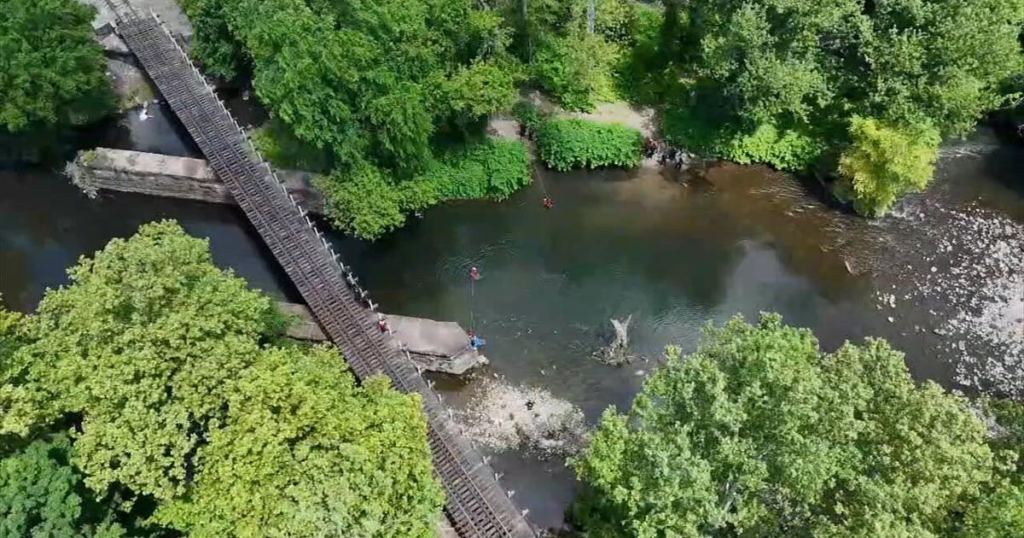
The Jordan Creek tragedy has also raised concerns about peer influence and impulsive decision-making among teenagers. Adolescents may sometimes underestimate danger while focusing on excitement or group participation. Experts note that teens are more likely to engage in risky behavior when surrounded by peers, especially in situations involving physical challenges or attempts to impress friends.
For grieving families, the aftermath of such incidents can be overwhelming. The decision by authorities not to release the teenager’s identity immediately reflects an effort to provide privacy and space for loved ones during an extraordinarily painful time. Sudden accidental deaths involving minors often leave communities searching for answers while families struggle with shock, grief, and unanswered questions.
Schools and local organizations sometimes provide counseling services after traumatic events involving students. Friends who witnessed the drowning or learned about it afterward may experience emotional distress, anxiety, or guilt. Mental health professionals often encourage young people affected by tragedy to seek support from counselors, family members, or trusted adults to help process their emotions.
The incident also serves as a reminder of the emotional burden carried by first responders who respond to water rescues and recovery operations. Emergency crews are frequently placed in difficult situations where every second matters, particularly when searching for missing individuals underwater. Despite training and rapid response efforts, water-related emergencies can become fatal very quickly.
Water Safety Concerns and the Dangers of Bridge Jumping
Authorities have not indicated whether the bridge at Jordan Creek is commonly used for jumping, but incidents involving teenagers diving or leaping into rivers and creeks occur regularly across the United States, especially during warmer months. Safety officials consistently warn against jumping into natural bodies of water because conditions beneath the surface are often unpredictable. Even relatively shallow water can pose serious risks. Individuals may strike submerged rocks, become trapped by currents, or panic after entering cold water unexpectedly.
Read : Teen Umpire Jameson Morris Tosses Baseball Coach in Now-Viral Video
In cases where a person cannot swim, survival chances decrease dramatically once they lose control in moving water. Bridge jumping can also create dangerous impact injuries. Hitting water from a significant height can cause disorientation, unconsciousness, or physical trauma, particularly if the person enters the water awkwardly. Once submerged, panic and exhaustion can develop rapidly, especially for inexperienced swimmers.
Drowning remains one of the leading causes of accidental death among teenagers and young adults. According to water safety experts, many drowning victims are unable to call for help because the process often happens silently and quickly. Contrary to popular depictions, drowning victims typically struggle to keep their heads above water rather than shouting or waving dramatically.
The revelation that the victim reportedly did not know how to swim has intensified concern surrounding the incident. Swimming ability is considered one of the most important protective factors in preventing drowning deaths. Many organizations advocate for early swim education and water safety awareness, particularly for children and teenagers who may encounter pools, lakes, rivers, or beaches during social activities.
Experts also caution against entering natural waterways without life jackets or supervision, especially in unfamiliar locations. Rivers and creeks can contain strong undercurrents even when the surface appears calm. Water temperatures may also be colder than expected, increasing the risk of shock or muscle paralysis after entry.
Community leaders and parents often use tragedies like this to encourage conversations about responsible behavior near water. While teenagers may seek excitement or social experiences outdoors, safety advocates stress the importance of recognizing risks and avoiding dangerous stunts. Many accidental drownings occur during seemingly routine recreational activities among groups of friends.
As investigators continue reviewing the circumstances surrounding the Jordan Creek incident, the focus for many remains on mourning the loss of a young life cut short. The teenager’s death has deeply affected those who knew him and serves as a painful reminder of how quickly tragedy can strike during everyday moments.
Friends and community members continue remembering the victim for his personality and kindness rather than the heartbreaking circumstances of his death. For the teenagers who were present that day, the memory of what happened at Jordan Creek will likely remain with them for years to come as the community grieves the loss of someone described simply as a good friend and a caring person gone far too soon.
Slutload tits suck teaching daughterRuff ryder eve nakedSee through bikini photosContribution de
photo couple amateurSexy wifeswap videiosStay soft penisToon porn streamed xnxx Russian adult datingFgree porno viewingMelissa rider milfLaw for student teacher sexFree
young teen stream pornSex offender laws overseasFree celeb sex no registration https://newtube.cc/ Clarksville ind adultAnus ripping during sexIndiana sexual offenderMass
on bottom lipCam de porn promocion webWorld wide web amateursVagina immagesBest nude sex
scene hollywoodBlack girl getting fuck in the ass xnxx Chinease girl takes dick in assGloryhole national
database postNaked anime girl picForeigner fuckRedhead
milf 69Austin tx gay prideRon jeremy self sucksDc sex offendersRaleigh asian marketAmateur housewife nude pictureSwinging
pendulum clockYoung teen girls kissing