

On April 13, 2025, a 46-year-old man and his 17-year-old son, both British tourists, Drown While Swimming at Beach In Seventeen Seventy, a coastal town near the southern tip of the Great Barrier Reef in Queensland, Australia.
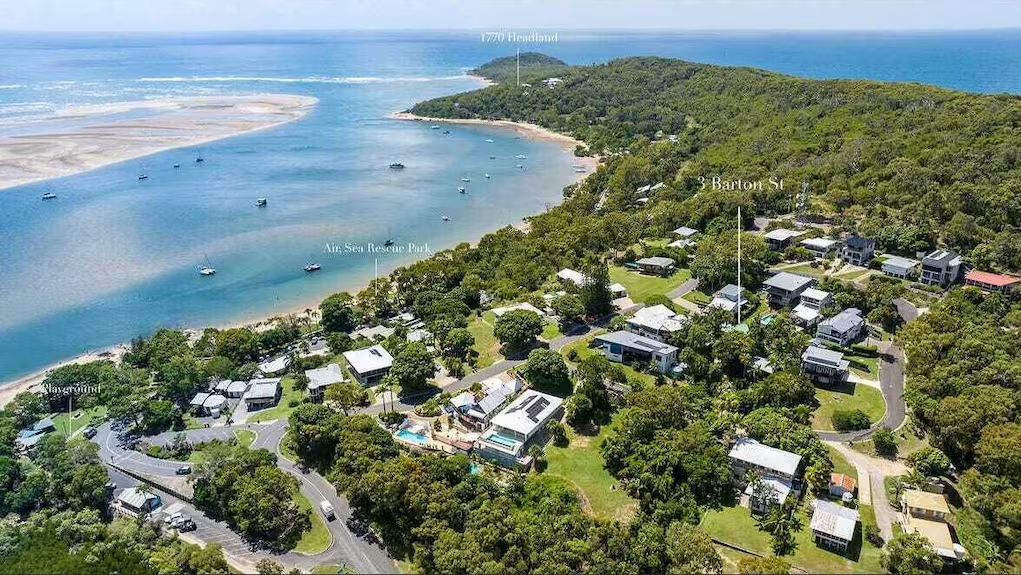
The incident occurred around 2:00 PM local time at Round Hill Head, an unpatrolled beach known for its scenic beauty but also its hazardous conditions.
A third man, a 37-year-old Australian, was seriously injured during the event and remains in critical condition. The tragedy has shocked the local community and prompted renewed calls for improved beach safety measures.
Drown While Swimming at Beach In Seventeen Seventy
Emergency services were alerted at approximately 2:15 PM on Sunday, April 13, 2025, after reports that three people had been swept out to sea at Seventeen Seventy. The father and son, who were on holiday from the UK, were swimming near a rocky headland when they were caught in a powerful rip current.
The beach, located nearly 500km north of Brisbane, had no lifeguards on duty, a common feature of many beaches in the region despite their popularity with tourists. A police rescue helicopter, along with CapRescue crews, was dispatched to the scene.
After a search lasting over an hour, the helicopter located the two British tourists in separate locations in the choppy waters. Both were pulled from the sea, but despite efforts to revive them, they were pronounced dead at the scene.
Read : 10 Famous UNESCO World Heritage Sites in Australia
CapRescue described the mission as “difficult,” noting that strong winds and rough conditions complicated the operation. Queensland Police confirmed the deaths and are preparing a report for the coroner, treating the incident as non-suspicious.
Read : 14-Year-Old Daniel Halliday Drowned After Being Swept Out to Sea at Crosby Beach
A 37-year-old man from Monto, about 150km inland, was also swept out during the incident. He sustained serious head injuries, possibly from striking rocks while attempting to assist the pair.
He was airlifted to Bundaberg Hospital and later transferred to Royal Brisbane and Women’s Hospital, where he remains in critical condition. It is unclear whether he entered the water to rescue the father and son, but local reports suggest he was caught in the same rip current.
Seventeen Seventy’s Beach Conditions
Seventeen Seventy, named for Captain James Cook’s landing in 1770, is a popular holiday destination, particularly during the Easter school holidays. Its beaches, near the Great Barrier Reef’s southern end, attract both domestic and international visitors.
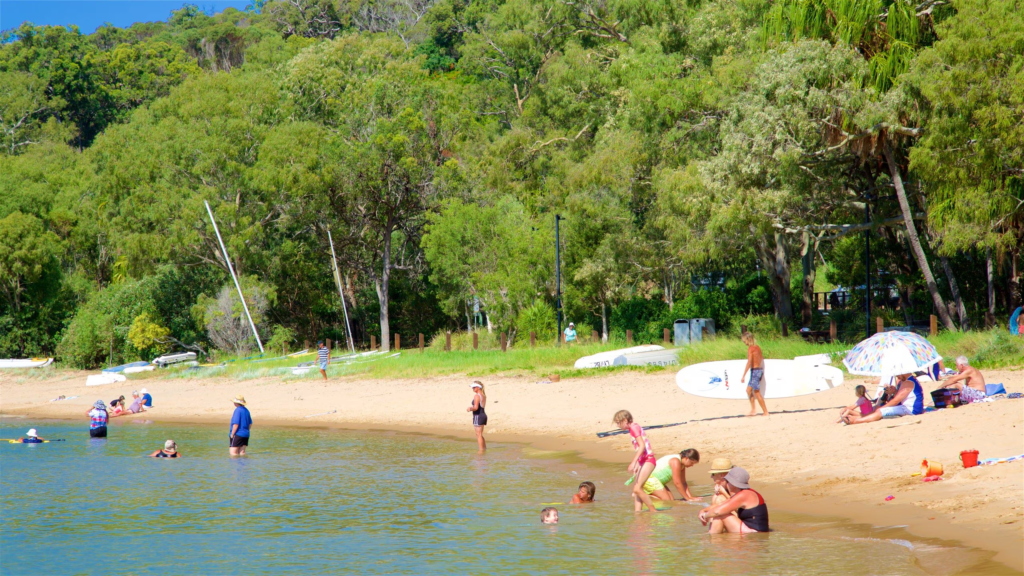
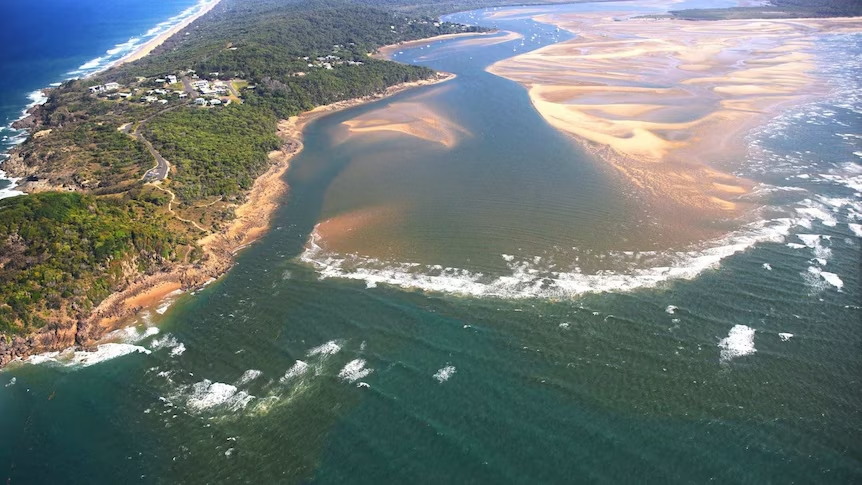
However, only one beach in the region, at nearby Agnes Water, is patrolled by lifeguards, leaving many areas like Round Hill Head without supervision. On the day of the incident, locals reported “choppy and scary” conditions, with strong winds and high tides creating dangerous swells around headlands.
Darren Everard, regional operations manager for Surf Life Saving Queensland, called the drownings “an absolute tragedy.” He explained that coastal fatalities in Australia often occur near creeks and headlands during high tides, where currents can become chaotic.
“Around any of our headlands, especially on a big swell, it’s chaos in the water,” he told ABC News. Everard urged tourists to seek local knowledge and swim only at patrolled beaches marked with red and yellow flags, noting that the nearest lifeguarded beach was over 50km away.
Royal Life Saving Australia reported 107 drownings nationwide in 2024, with 25% involving overseas-born individuals, highlighting the risks for visitors unfamiliar with local conditions.
Wayne Mellock, a surf shop owner in Seventeen Seventy, described the community’s devastation. “We have a huge number of international tourists here, and situations like this are horrific,” he said.
Residents noted that rip currents at Round Hill Head are a known hazard, particularly when tides shift, causing water to surge at high speeds. Despite warning signs, the area remains a draw for swimmers due to its proximity to camping sites and walking trails.
Calls for Enhanced Safety Measures
The drownings have reignited discussions about beach safety in Queensland’s tourist-heavy regions. The absence of lifeguards at Seventeen Seventy’s beaches, despite their appeal, has drawn criticism. Local authorities have resisted expanding patrols due to cost and low permanent populations, but pressure is mounting to reassess this stance.
Everard emphasized the need for education, stating, “Tourists must take time to understand the risks. Speak to locals, check conditions, and stick to flagged areas.” Proposals for additional signage and seasonal lifeguard posts have surfaced, though funding remains a hurdle.
The Foreign Commonwealth and Development Office (FCDO) confirmed it is supporting the families of the deceased, who have not been publicly named. Queensland Police have not disclosed whether next of kin were present at the time of the incident.
The community has rallied to offer condolences, with social media posts expressing grief and calls for donations to support CapRescue’s volunteer efforts. Mellock added, “Our hearts go out to the families and the injured man. This shakes everyone here.”
The deaths of the British father and son at Seventeen Seventy on April 13, 2025, mark a tragic loss during what should have been a joyful holiday. Caught in a rip current at an unpatrolled beach, they faced conditions that overwhelmed even rescue efforts.
The incident, coupled with the critical injury of a local man, underscores the dangers of Australia’s coastline, particularly for those unaware of its risks. As investigations continue and the community mourns, authorities face growing demands to bolster safety at popular yet perilous beaches like those near the Great Barrier Reef.