
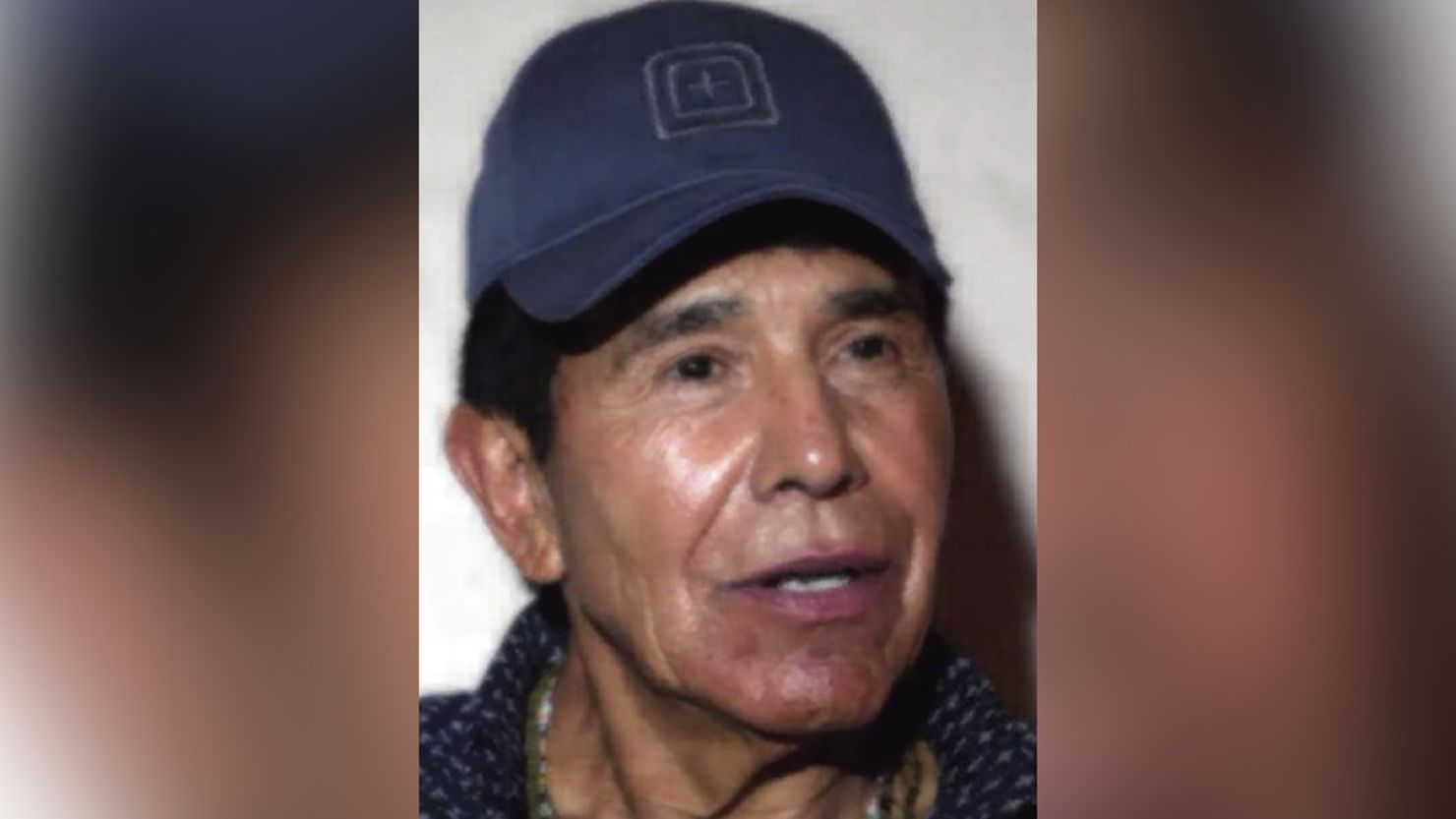
The United States has witnessed a significant victory in its battle against international drug cartels with the extradition of Rafael Caro Quintero and 28 other high-profile cartel members from Mexico.
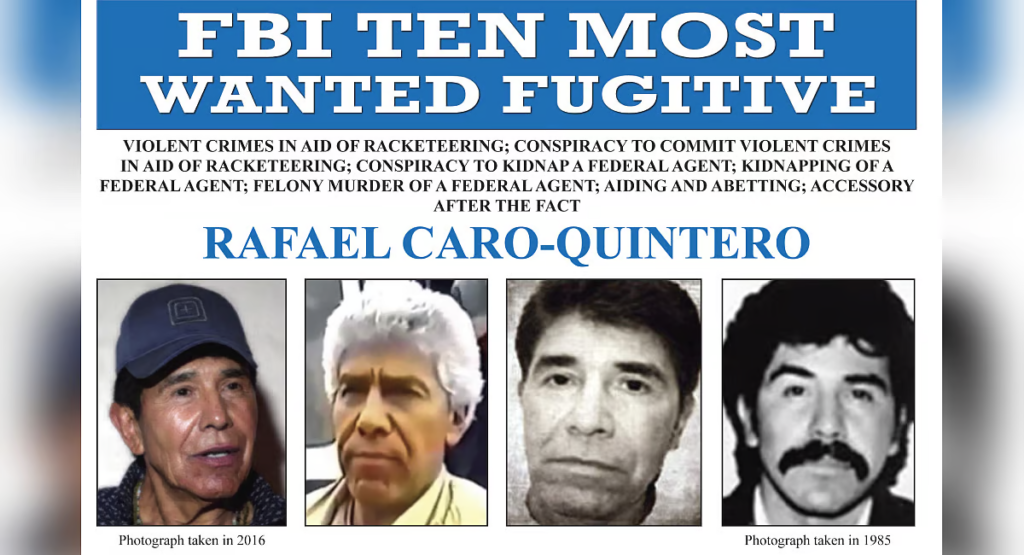
This development marks a historic moment in law enforcement efforts to curb the activities of drug trafficking organizations that have long plagued both nations. Quintero, who played a pivotal role in the rise of the Guadalajara cartel, has been a fugitive for decades, evading justice while continuing his involvement in organized crime.
His extradition, along with that of other cartel leaders, is expected to send a strong message to criminal organizations operating across international borders.
The Capture and Extradition of Rafael Caro Quintero
Rafael Caro Quintero, a notorious figure in the drug trade, first gained prominence as a founder of the Guadalajara cartel in the 1980s. He was a key player in the expansion of the cartel’s drug trafficking operations, smuggling large quantities of cocaine and marijuana into the United States.
However, his criminal empire faced a major setback in 1985 when he was implicated in the kidnapping, torture, and murder of DEA agent Enrique “Kiki” Camarena Salazar. The killing of Camarena led to a massive U.S.-Mexico joint operation, resulting in Caro Quintero’s arrest and subsequent imprisonment.
After serving 28 years in prison, Quintero was released in 2013 due to a legal technicality, a decision that was later overturned by Mexico’s Supreme Court. Upon his release, he rejoined the drug trade and assumed a leadership role within the powerful Sinaloa cartel, further exacerbating the ongoing drug crisis.
His freedom was short-lived, as Mexican authorities, in collaboration with the U.S., apprehended him in July 2022. His capture came at a significant cost, as 14 Mexican Marines lost their lives in a helicopter crash during the operation. Quintero was found hiding in the bushes by a trained navy dog, underscoring the high stakes of his arrest.
Read : Nicki Minaj Arrested at Amsterdam Airport for Alleged Drug Possession
Now extradited to the U.S., Quintero will face a federal court in New York, where he will be held accountable for his crimes. His extradition is seen as a major milestone in the U.S. government’s continued efforts to dismantle drug cartels and bring their leaders to justice.
Read : Aurora Phelps Jailed for Drugging, Robbing, and Murdering Old Men in a Sinister Romance Scheme
The DEA, which has long sought his capture, hailed the extradition as a victory for law enforcement and the family of Agent Camarena, reinforcing the agency’s commitment to holding cartel leaders accountable, no matter how long it takes.
The Extradition of 28 Other Cartel Leaders
Alongside Rafael Caro Quintero, 28 other cartel members were extradited to the U.S., each facing serious criminal charges related to drug trafficking, violence, and organized crime.
The U.S. Department of Justice identified several of these individuals as high-ranking leaders of major Mexican cartels, including the Sinaloa Cartel, Cártel de Jalisco Nueva Generación (CJNG), Cártel del Noreste (formerly Los Zetas), La Nueva Familia Michoacana, and the Cártel del Golfo (Gulf Cartel).
These criminal organizations have been responsible for the massive importation of narcotics, including cocaine, methamphetamine, fentanyl, and heroin, into the U.S., contributing to the ongoing opioid crisis and drug-related violence.
Among those extradited was Antonio Oseguera Cervantes, a key leader of CJNG, one of Mexico’s most powerful and violent cartels. He played a crucial role in coordinating drug shipments and enforcing the cartel’s control over key trafficking routes.
Additionally, two high-ranking members of Los Zetas, Ramiro Perez Moreno and Lucio Hernandez Lechuga, were among those transferred to U.S. custody. Los Zetas, known for their extreme brutality, have been involved in numerous acts of violence, including mass executions and assassinations.
The extradition of these individuals is a direct result of extensive cooperation between the U.S. and Mexican law enforcement agencies. By transferring these cartel leaders to U.S. jurisdiction, authorities aim to prevent them from continuing their operations while awaiting trial.
It is also a strategic move to weaken the leadership structure of these organizations, thereby disrupting their ability to operate effectively. The Biden administration and the Department of Justice have emphasized that these extraditions reflect a commitment to tackling transnational crime and ensuring that those responsible for drug-related violence and destruction are brought to justice.
Implications for U.S.-Mexico Relations and the War on Drugs
The extradition of Rafael Caro Quintero and the 28 cartel members carries significant implications for U.S.-Mexico relations and the broader war on drugs.
Historically, cooperation between the two countries in combating drug cartels has been fraught with challenges, including corruption within Mexican law enforcement and judicial institutions. However, this latest development signals a strengthened partnership between the two nations in their fight against organized crime.
Mexico’s decision to extradite these individuals demonstrates its willingness to work closely with the U.S. in tackling the drug trade. By removing key cartel figures from Mexican prisons, authorities can reduce the risk of prison escapes, which have been a recurring problem in the country.
Additionally, the extraditions alleviate concerns about cartel influence over the Mexican judicial system, ensuring that these criminals face justice in a more secure legal environment.
For the U.S., these extraditions serve as a powerful warning to other cartel leaders that they will not escape justice, regardless of how long they evade capture.
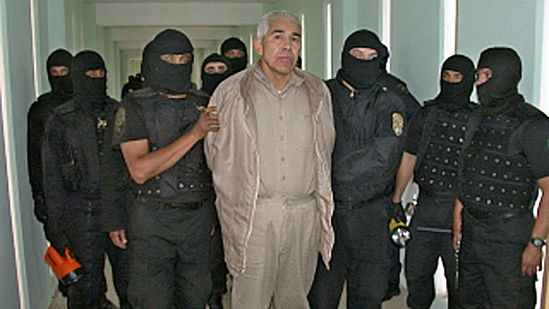
The statements from DEA officials and the Department of Justice make it clear that the U.S. remains committed to pursuing those responsible for the production and distribution of illegal drugs. The case of Rafael Caro Quintero, who spent decades on the run, underscores the persistence of U.S. law enforcement in holding criminals accountable.
Despite this victory, the war on drugs is far from over. Cartels continue to adapt, finding new ways to traffic narcotics and evade law enforcement. The growing fentanyl crisis in the U.S., largely fueled by Mexican cartels, remains a pressing concern.
While high-profile extraditions like these deal a significant blow to cartel operations, they do not eradicate the root causes of drug trafficking, such as poverty, corruption, and weak law enforcement institutions in Mexico.
Moving forward, the U.S. and Mexico must continue to collaborate on long-term strategies to combat drug cartels. Strengthening border security, enhancing intelligence-sharing, and addressing the socioeconomic conditions that drive individuals into organized crime are essential components of this effort.
Additionally, both countries must work towards reducing the demand for illicit drugs within the U.S., as the high consumer demand is a major driving force behind cartel operations.
The extradition of Rafael Caro Quintero and 28 cartel members marks a critical moment in the fight against transnational crime. It represents a victory for law enforcement, a step towards justice for victims of cartel violence, and a message to criminals that they cannot escape accountability.
However, the battle against drug cartels continues, requiring ongoing cooperation and commitment from both the U.S. and Mexico to dismantle these dangerous organizations and protect communities from the devastating impact of drug trafficking.