
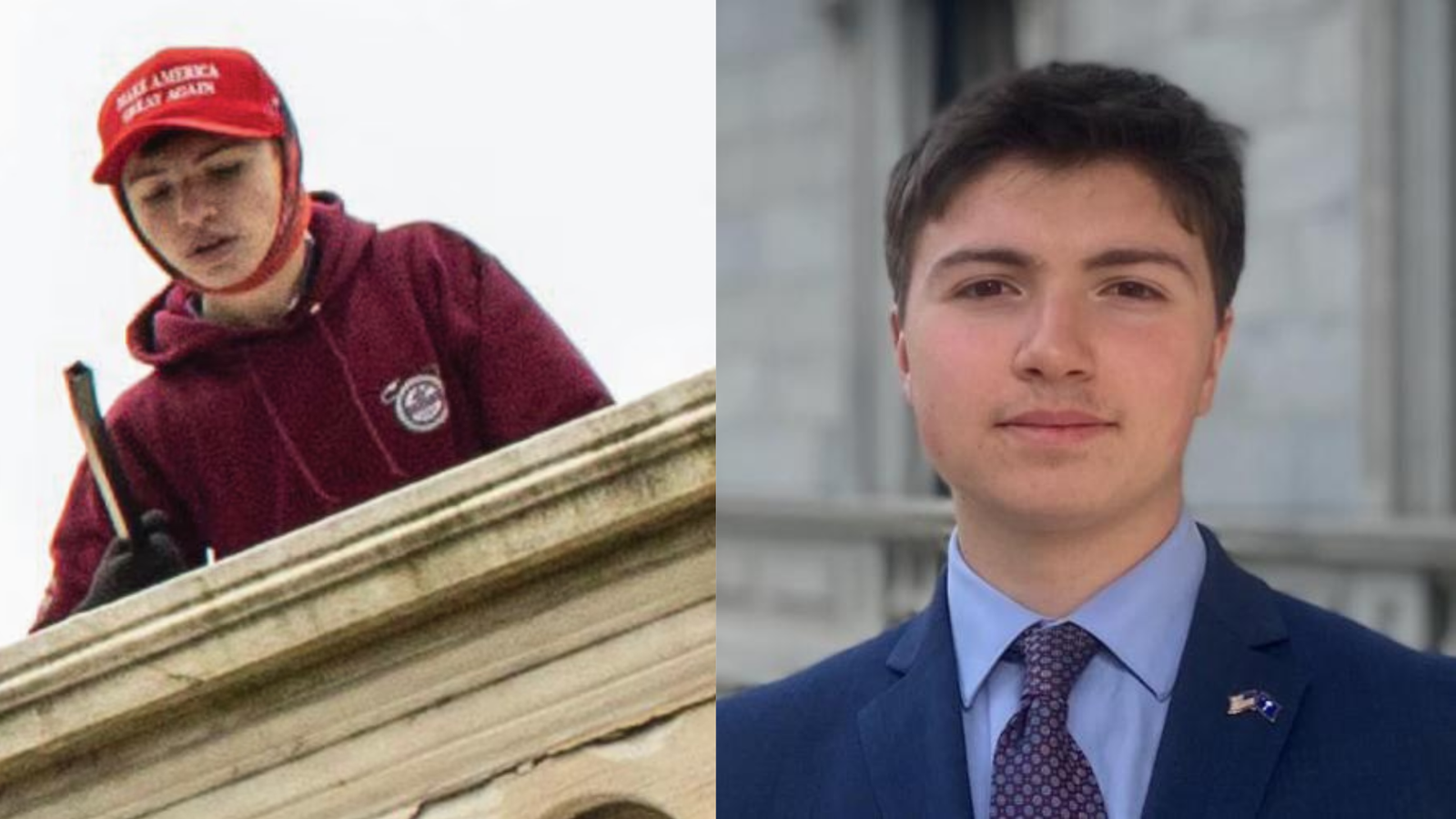
The appointment of Elias Irizarry to a sensitive counterterrorism position within the Pentagon has sparked widespread debate and scrutiny across political, military, and national security circles. The controversy stems from Irizarry’s past involvement in the January 6, 2021, attack on the United States Capitol, an event that remains one of the most consequential moments in modern American political history. While supporters argue that Irizarry has accepted responsibility for his actions and rebuilt his career, critics question whether someone convicted in connection with the Capitol riot should be granted access to a role involving highly sensitive military and national security matters.
The decision has drawn particular attention because the office where Elias Irizarry will serve is involved in overseeing special operations, counterterrorism efforts, hostage rescue planning, embassy security concerns, and other missions that often involve classified information. Pentagon officials reportedly expressed concerns internally, while the Department of Defense publicly defended the appointment. As the debate continues, many people are asking a fundamental question: who exactly is Elias Irizarry, and how did he move from being a January 6 defendant to a Pentagon political appointee?
From Capitol Riot Participant to Criminal Conviction
Elias Irizarry first entered the national spotlight because of his involvement in the events of January 6, 2021, when thousands of supporters of then-President Donald Trump gathered in Washington, D.C., to protest the certification of the 2020 presidential election results. The gathering eventually escalated into a violent assault on the U.S. Capitol as rioters breached security barriers and entered the building in an effort to disrupt the certification process.
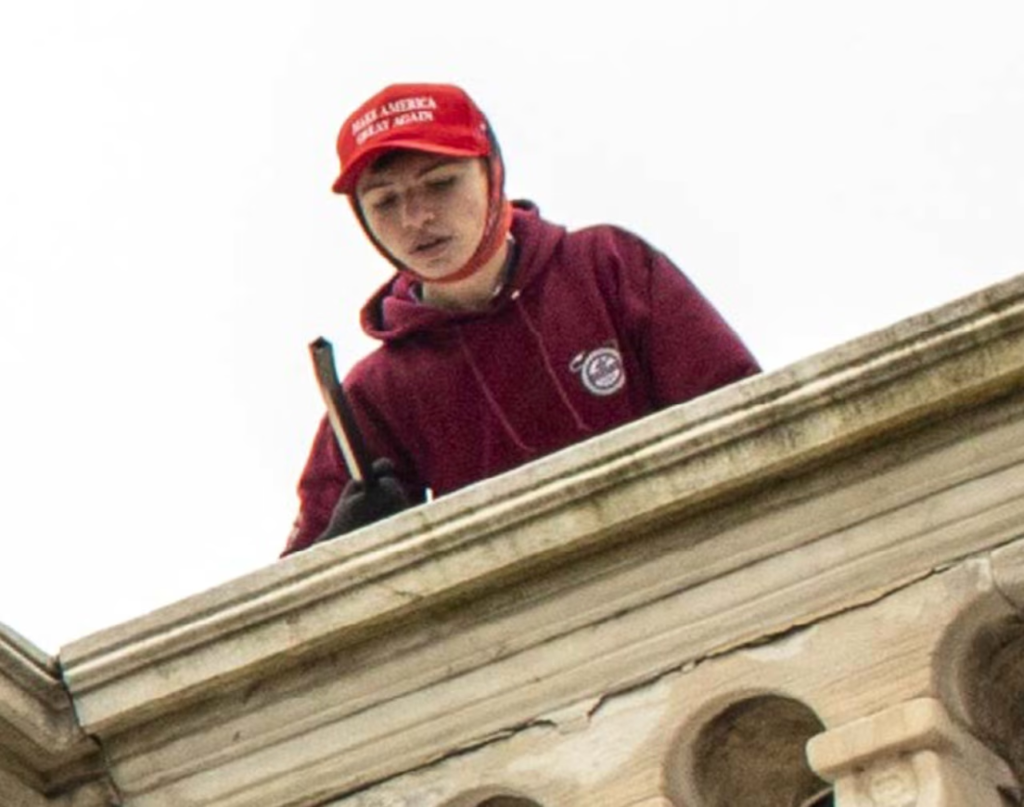
At the time of the riot, Elias Irizarry was just 19 years old and was attending The Citadel, a well-known military college in Charleston, South Carolina. According to reports and court records, he entered restricted areas during the Capitol attack and later faced federal charges related to his conduct that day. Images from the event reportedly showed him wearing a Make America Great Again hat and carrying what appeared to be a metal pole while near the Capitol.
Rather than contesting the allegations, Elias Irizarry ultimately pleaded guilty to a misdemeanor charge involving entering and remaining in a restricted building. The charge was significantly less severe than the felony charges faced by some other participants in the riot, but it nonetheless resulted in a criminal conviction. A federal judge later sentenced him to 14 days in jail.
During court proceedings, Irizarry expressed deep regret over his participation in the events. He acknowledged the seriousness of what occurred and publicly apologized for his actions. His remarks during sentencing reflected a level of remorse that distinguished him from some defendants who continued to defend their conduct after the riot. He described January 6 as a disgrace and characterized it as a major attack on American democracy.
The judge overseeing his case, Tanya Chutkan, recognized both the seriousness of the offense and aspects of Irizarry’s personal background. While criticizing him for not doing more to stop the violence around him, she also noted that much of his record before the incident had been positive. The judge reportedly viewed him as someone whose future should not be entirely defined by a single mistake, despite the gravity of that mistake.
Read : Amsterdam to Remove Chinese-Made Cameras Over Espionage and Human Rights Concerns
The conviction nevertheless carried consequences. Irizarry faced disciplinary action connected to his educational career and became one of hundreds of individuals whose futures were disrupted by involvement in the Capitol attack. For many observers, the conviction remains the central issue in evaluating his suitability for any government role, particularly one connected to national security.
Education, Rehabilitation, and a Return to Public Life
Following the legal consequences of his involvement in January 6, Irizarry embarked on a path that supporters describe as a story of rehabilitation and personal accountability. His experience at The Citadel became a significant part of that journey. Initially, his connection to the Capitol riot led to his discharge from the military academy. Such a development represented a substantial setback for a young student pursuing an education within a structured military environment. However, the story did not end there. Over time, Irizarry was readmitted to the institution and eventually completed his studies, graduating in 2024.
His return to The Citadel and successful completion of his degree became a notable chapter in his post-conviction life. Supporters have pointed to this achievement as evidence that he worked to rebuild his reputation and demonstrate personal growth. They argue that educational institutions and society generally benefit when individuals who acknowledge wrongdoing are given opportunities to learn from their mistakes and move forward.
Irizarry also ventured into politics after completing his education. In 2024, he sought elected office by running for a seat in the South Carolina state legislature. His campaign was unsuccessful, ending with a defeat in a Republican primary election. Nevertheless, the campaign demonstrated his continued interest in public service and conservative politics.

For critics, however, these developments do not erase the significance of his actions on January 6. They argue that while rehabilitation is important, certain positions require an exceptionally high level of public trust. In their view, participation in an event that sought to disrupt a constitutional process raises legitimate concerns about judgment and suitability for government service.
Others see the issue differently. They note that the American justice system is built in part on the idea that individuals who accept responsibility and complete their sentences should be allowed opportunities to rebuild their lives. Under this perspective, Irizarry’s graduation from The Citadel, his public remorse, and his efforts to pursue public service demonstrate a commitment to moving beyond his past mistakes.
The debate reflects broader national disagreements about how society should treat individuals convicted in connection with January 6. Some believe such convictions should permanently disqualify individuals from certain forms of public service, while others argue that redemption and second chances remain essential principles of American civic life.
The Pentagon Appointment and the Growing Controversy
The controversy surrounding Irizarry intensified significantly after reports emerged that he had been appointed to a position within the Department of Defense’s Special Operations and Low-Intensity Conflict office. This office plays an important role in overseeing military activities connected to counterterrorism, irregular warfare, special operations, and other highly sensitive national security functions.
According to reports, Irizarry will work within a team focused on counterterrorism and irregular warfare issues. The group reportedly handles matters involving embassy protection, personnel recovery operations, hostage rescue planning, and other missions that may involve classified information and sensitive operational discussions. Such responsibilities have made the appointment particularly controversial.
Current and former defense officials reportedly expressed concern about placing a relatively young political appointee with a criminal conviction related to January 6 into such an environment. Some questioned whether someone with limited experience in the Department of Defense should be assigned to a portfolio involving complex national security issues. Others focused specifically on the symbolism of appointing an individual connected to an attack on democratic institutions to a role within the nation’s defense establishment.
One anonymous source cited in reporting argued that the position could involve matters directly affecting special operations forces operating in dangerous environments around the world. From that perspective, critics contend that decision-makers should apply especially rigorous standards when selecting personnel for such roles.
The Pentagon, however, has publicly defended the appointment. Acting Pentagon Press Secretary Joel Valdez described Irizarry as a qualified and patriotic young professional and stated that the Department of Defense was proud to have him serving as a political appointee. The department’s response suggested that officials believe his past conviction does not outweigh his qualifications or his subsequent efforts to rebuild his career.
The controversy also highlights the unique nature of political appointments within government agencies. Unlike career civil service positions, political appointments often involve individuals selected by administrations to help implement policy priorities. As a result, qualifications and background assessments can become politically charged topics, particularly when an appointee has a history that attracts public attention.
For supporters of the appointment, Irizarry’s story represents accountability followed by redemption. They point to his guilty plea, his public expressions of remorse, his educational achievements, and his willingness to continue serving in public-facing roles. In their view, his case demonstrates that individuals can learn from mistakes and make meaningful contributions afterward.
For critics, the issue extends beyond individual redemption. They argue that appointments involving national security responsibilities must account not only for qualifications but also for public confidence in government institutions. Because January 6 remains a deeply divisive event, they believe placing a convicted participant in a sensitive Pentagon role sends the wrong message about accountability and democratic values.
As public discussion continues, Elias Irizarry has become a symbol of larger national questions concerning justice, forgiveness, political loyalty, and public service. His journey from Capitol riot participant to Pentagon appointee reflects the continuing impact of January 6 on American politics and government. Whether viewed as a story of rehabilitation or a troubling personnel decision, his appointment has ensured that debates about the legacy of the Capitol attack remain very much alive within the nation’s political and security institutions.