
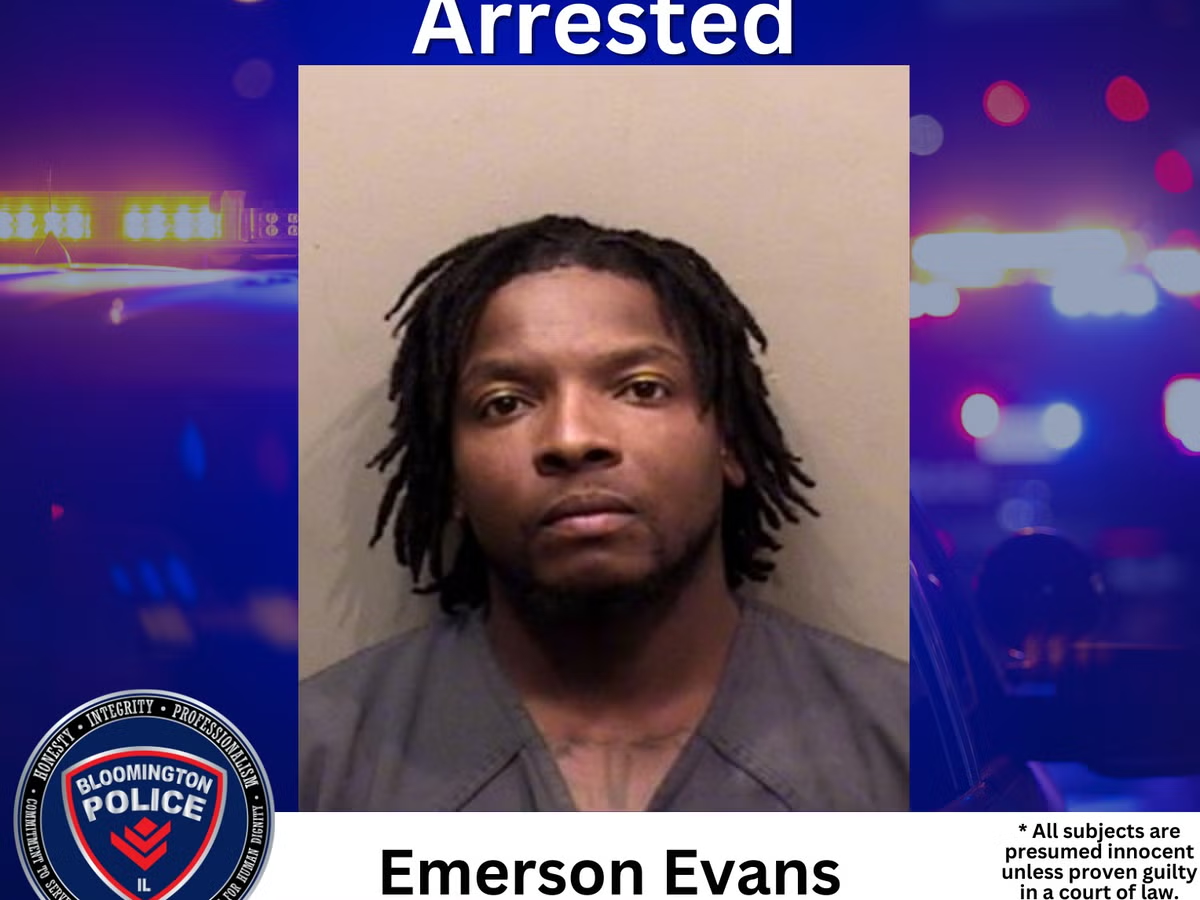
In a deeply troubling case that has sparked widespread attention, Emerson Evans, a 31-year-old man from Normal, Illinois, has been charged with two counts of intentional homicide of an unborn child. The charges stem from allegations that Evans secretly administered abortion-inducing drugs to his pregnant girlfriend without her consent, resulting in the termination of her pregnancy.
This incident, which unfolded in Bloomington, Illinois, has raised significant legal, ethical, and societal questions about consent, reproductive rights, and the legal protections surrounding unborn children. The case, reported on August 24, 2025, by multiple news outlets, has sent shockwaves through the community and beyond, highlighting the complexities of abortion-related laws in the state of Illinois.
The Incident: A Medical Emergency and a Devastating Discovery
On the evening of August 22, 2025, Bloomington police responded to a medical emergency call at a residence on R T Dunn Drive around 7 p.m. Upon arrival, officers found a woman in distress, crying in the bathroom with significant blood loss. The woman, who was approximately seven weeks pregnant, informed authorities that she believed her boyfriend, Emerson Evans, had given her abortion-inducing drugs without her knowledge or consent.
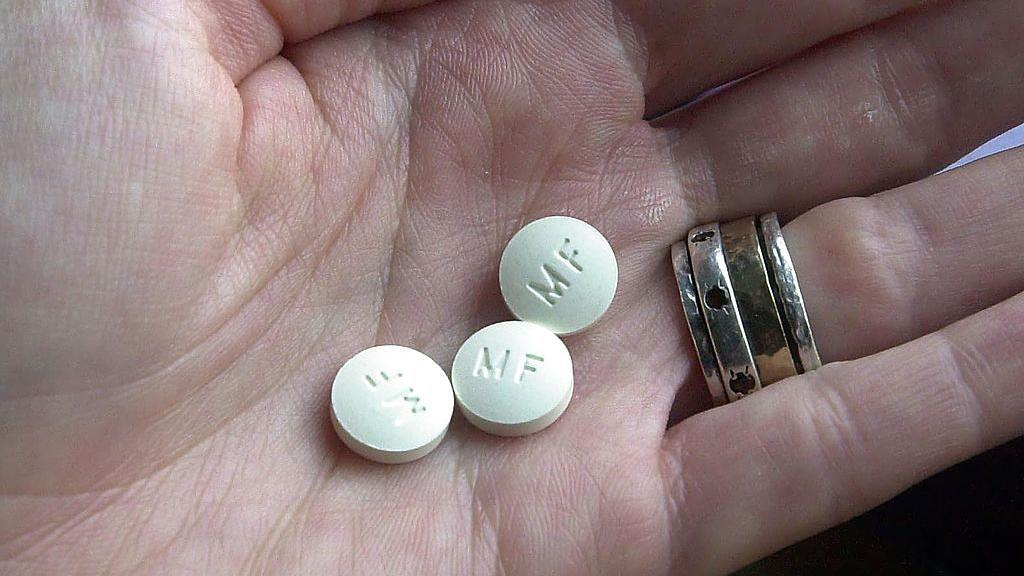
She reported feeling ill earlier that day after Evans had allegedly inserted four mifepristone pills vaginally, a method not aligned with the standard oral administration of the drug for medical abortions. According to court documents, the woman had recently informed Evans of her pregnancy, and he had expressed a desire for her to terminate it. Despite her clear stance against having an abortion, Evans reportedly took matters into his own hands.
He later admitted to police that he purchased the mifepristone pills for approximately $50 from an individual on a nearby college campus, stating he was “helping make the decision for her.” The improper administration of the drug led to severe medical complications for the woman, culminating in a miscarriage and the loss of her pregnancy.
Read : Air India Becomes World’s No. 1 Airline in Losing Luggage: 50,001 Bags Lost in Last 30 Days
The Bloomington Police Department quickly arrested Evans, charging him with two counts of intentional homicide of an unborn child, a felony charge equivalent to first-degree murder under Illinois law. The charge carries a potential sentence of 20 to 60 years in prison for each count. Bloomington Police Chief Jamal Simington expressed profound sadness over the incident, stating, “We are again saddened by the alleged criminal actions which resulted in harm to others. It is my hope the mother involved in the matter fully recovers and has the resources and support of this strong community in the future.”
Legal Proceedings: A Judge’s Ruling and the Weight of the Charges
On August 25, 2025, Evans appeared before McLean County Circuit Court Judge Amy McFarland for a pretrial detention hearing. Prosecutors argued that Evans posed a significant threat to society and should remain in custody at the McLean County Detention Facility pending trial. The assistant state’s attorney, David Fitt, emphasized the violent nature of the alleged crime, noting that Evans’ actions demonstrated a disregard for his girlfriend’s autonomy and consent. Fitt pointed out that the woman had expressed fear of Evans, further justifying the need for his detention.
Read : William Jerome Adams Killed Girlfriend and Her 15-Year-Old Son, Left 8-Year-Old Alone With Bodies
Evans’ public defender, John David Nairn, argued for his release, citing Evans’ lack of significant criminal history, his long-term residence in McLean County, and his role as a father to three children living with him. Nairn also noted Evans’ employment at Bridgestone and his involvement in coaching youth sports, suggesting he was not a flight risk or a danger to the community. However, Judge McFarland found these arguments unpersuasive, particularly in light of Evans’ own admission to police that he “made the decision for her” by administering the pills without her consent.
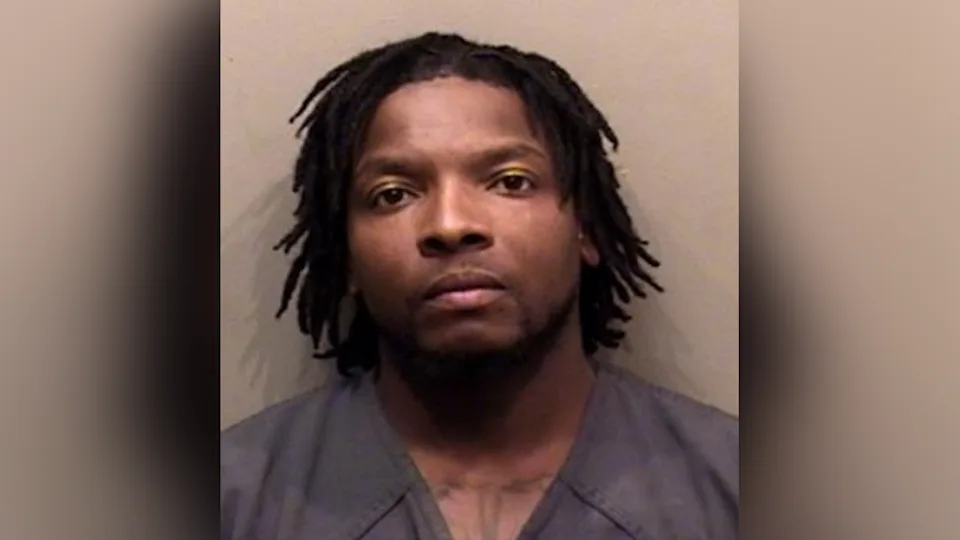
McFarland highlighted the severity of the offense, noting that the administration of four mifepristone pills—far exceeding the recommended single oral dose—indicated either a lack of knowledge or a deliberate disregard for consent. She further underscored that Illinois law provides safe and legal avenues for abortion when mutually agreed upon, making Evans’ actions particularly egregious.
“That involved taking a life,” McFarland stated, emphasizing the broader threat posed by Evans’ decision to impose his beliefs on his girlfriend’s pregnancy. The judge ordered Evans to remain in custody, with his arraignment scheduled for September 12, 2025. The charges against Evans are grounded in Illinois’ legal framework, which distinguishes between legal abortions and non-consensual acts that result in the termination of a pregnancy.
According to Michael Gizzi, a criminal justice professor at Illinois State University, the charge of intentional homicide of an unborn child carries a minimum sentence of 20 years per count and does not apply to legal abortions or medically necessary procedures to save a woman’s life. This legal distinction underscores the gravity of Evans’ alleged actions, as they bypassed both his girlfriend’s autonomy and established medical protocols.
Broader Implications: Consent, Reproductive Rights, and Societal Impact
The case of Emerson Evans has ignited a broader conversation about consent, reproductive autonomy, and the legal protections surrounding unborn children. In Illinois, where abortion remains legal, this incident highlights the stark contrast between consensual medical procedures and non-consensual acts that result in pregnancy loss. The woman’s experience—marked by betrayal, physical harm, and emotional trauma—has drawn sympathy and outrage from the public, with many calling for justice and increased awareness of reproductive coercion.
This case is not an isolated one. Similar incidents have been reported in other states, such as Texas, Massachusetts, and Washington, where individuals have faced charges for secretly administering abortion-inducing drugs to pregnant partners. In Texas, for example, a 38-year-old man was charged in 2025 for spiking his girlfriend’s drink with abortion pills, resulting in the loss of her six-week-old fetus.
These cases underscore a disturbing trend of reproductive coercion, where individuals seek to control pregnancy outcomes without the consent of the pregnant person. The Evans case also raises questions about the accessibility and regulation of abortion medications like mifepristone. Evans’ ability to purchase the drug for $50 from an individual on a college campus points to potential gaps in oversight, as mifepristone is typically administered under medical supervision.
This incident may prompt discussions about stricter regulations on the distribution of such medications to prevent misuse while preserving access for those seeking legal abortions. From a societal perspective, the case has sparked debates about the legal status of unborn children. In Illinois, the charge of intentional homicide of an unborn child reflects a legal recognition of the fetus as a victim in cases of non-consensual termination.
This framework, rooted in laws dating back to the 1960s, exists alongside the state’s commitment to protecting abortion rights, creating a complex legal landscape. Critics argue that such laws could be misused to restrict reproductive freedoms, while supporters contend they are necessary to protect against acts of violence like the one allegedly committed by Evans.
The emotional toll on the victim cannot be overstated. The woman’s ordeal—discovering her boyfriend’s betrayal while experiencing a medical emergency—has left her in need of both physical recovery and psychological support. Chief Simington’s call for community resources to aid her recovery reflects a broader need for systems to support victims of reproductive coercion. Advocates for reproductive rights and victim support services may use this case to push for increased education about consent and access to counseling for those affected by similar incidents.
As the case moves toward arraignment, the public’s attention will likely remain fixed on the legal proceedings and their implications. The outcome of Evans’ trial could set a precedent for how similar cases are handled in Illinois and beyond, particularly in addressing the intersection of reproductive rights, consent, and criminal law.
For now, the Bloomington community and the nation at large are left grappling with the tragic consequences of one man’s alleged decision to take control of a deeply personal matter. The case of Emerson Evans serves as a stark reminder of the importance of consent and autonomy in reproductive decisions. The charges against him, rooted in a violation of trust and bodily autonomy, highlight the devastating impact of reproductive coercion.
As the legal process unfolds, this case will likely continue to fuel discussions about how society balances the rights of individuals, the protections afforded to unborn children, and the need to prevent such tragedies in the future. The woman at the center of this case, whose identity has been protected out of respect for her privacy, remains a poignant symbol of resilience in the face of profound harm.
Your blog is a treasure trove of valuable insights and thought-provoking commentary. Your dedication to your craft is evident in every word you write. Keep up the fantastic work!
Your blog is a beacon of light in the often murky waters of online content. Your thoughtful analysis and insightful commentary never fail to leave a lasting impression. Keep up the amazing work!
Your blog is a breath of fresh air in the often mundane world of online content. Your unique perspective and engaging writing style never fail to leave a lasting impression. Thank you for sharing your insights with us.
What i do not realize is in fact how you are no longer actually much more wellfavored than you might be right now Youre very intelligent You recognize thus considerably in relation to this topic made me in my view believe it from numerous numerous angles Its like men and women are not fascinated until it is one thing to do with Lady gaga Your own stuffs excellent All the time handle it up
Hello my loved one I want to say that this post is amazing great written and include almost all significant infos I would like to look extra posts like this