

In a heartbreaking and deeply controversial case, a mother who has lived in the United Kingdom for 16 years faces deportation to The Gambia. Fatou Tamba, aged 55, has spent the last month detained at an immigration removal centre under conditions that her family and supporters describe as inhumane and damaging to her mental and physical health.
Despite her deep connections to the UK, her long-standing ties to the community, and serious fears for her safety if returned to The Gambia, her future now hangs in the balance.
This case has sparked outrage among activists, community members, and human rights advocates, who argue that the UK government is failing in its moral obligation to protect vulnerable individuals seeking refuge from persecution.
Life in the UK and the Threat of Political Persecution
Fatou Tamba arrived in the United Kingdom in 2009, initially travelling to visit her brother Lamin Tamba. Her stay, however, quickly became a necessity rather than a choice.
Fatou’s family was deeply involved in political activism in The Gambia, and the turbulent political situation, marked by a change in leadership, made returning home a dangerous prospect. Fatou received direct death threats due to her family’s political activities, forcing her to seek safety on British soil.
But political danger was not the only force pushing Fatou to seek refuge. Her personal history is marred by early trauma — forced into marriage at the tender age of 14 to a man more than twice her age.
By the time she was 15, she had given birth to her first child. Escaping an abusive marriage was another reason Fatou could not return to her homeland. The Gambia represented not just political oppression but also personal violence and a lack of freedom.
Once in the UK, Fatou found her footing in Birmingham, before later moving to Liverpool where she spent the last eight years. Liverpool became her home, a city where she integrated into society, built lasting friendships, became engaged to her fiancé, and worked extensively for charities, particularly supporting refugee and asylum-seeking communities.
Read : ‘If Jesus Were Alive Today President Donald Trump Would Deport Him Too,’ Says Hope Walz
For many years, Fatou lived a peaceful and community-centered life, adhering to every legal requirement placed upon her, including regular check-ins with immigration authorities.
Read : Germany to Tighten Rules on Deporting Foreigners Who Glorify Terror Acts Amid Gaza War
However, in 2021, her application for asylum was rejected. Despite this, Fatou remained compliant, reporting regularly to immigration services without fail. Shockingly, during a routine appointment on March 26, 2024, Fatou was detained without warning. Since then, she has been held at Derwentside Immigration Removal Centre, a place where her mental and physical health have significantly deteriorated.
The Inhumane Conditions of Detention
The conditions at Derwentside IRC have only compounded the trauma that Fatou already carries. According to her brother, Fatou has been denied basic medical care and mental health support while in detention.
She lost two teeth due to inadequate dental services, and requests for a GP consultation for her pre-existing medical conditions were initially ignored until community-led protests forced a response.
Food provided at the centre has been reported as being of poor quality, with meals sometimes consisting of nothing more than plain rice without any sauce or nutritional balance.

Fatou’s brother, who visited her, described the facility as “horrible” and said his sister was not coping well at all. Fatou has never previously been imprisoned or detained; thus, the sudden loss of freedom has had a devastating impact on her mental health.
While Serco, the company managing Derwentside, claims that detainees are offered a varied menu and daily healthcare access, Fatou’s experience suggests a starkly different reality.
Being locked away in a place that provides neither adequate food nor healthcare, separated from the community she loves, and facing an uncertain and perilous future has pushed her into a mental health crisis.
Fatou’s family, fiancé, and the Liverpool community have rallied around her, decrying the cruelty of her detention and calling for her immediate release. Despite her contribution to UK society through volunteer work and her role as a community supporter, her pleas and those of her advocates have so far been dismissed.
A Community’s Outcry and the Fight for Justice
Fatou’s case has galvanized a broad coalition of supporters who argue that deporting her would be a death sentence. Her brother Lamin Tamba, himself a British citizen, emphasized that Fatou faces threats of kidnapping, false imprisonment, or death if forced back to The Gambia.
Fatou’s deportation, originally scheduled for April 22, was temporarily halted thanks to an emergency legal intervention. However, authorities have now issued a new deportation date of May 8, intensifying the urgency of her case.
While in detention, Fatou submitted a new family visa application, providing extensive evidence of her long-term relationship with her partner and her deep-rooted family ties in the UK. Despite appearing to meet the requirements, her application was swiftly rejected, a decision her legal team is now fighting.
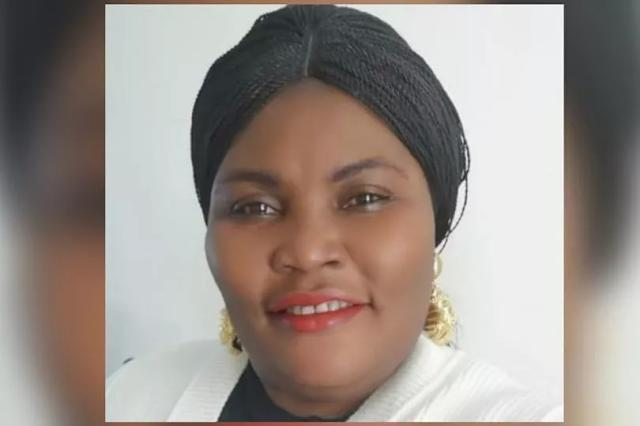
Maggy Moyo, a community organizer with Right to Remain, captured the sentiment of many when she said: “Fatou’s fight is not over. She is still behind bars, still waiting for justice. We’ve stopped her deportation for now, but she should not be locked away at all. Fatou has given so much to our community. Now, we stand up for her.”
Fatou’s supporters argue that her case highlights broader systemic failures in the UK’s immigration and asylum systems. They question how a woman who has abided by all legal obligations, contributed meaningfully to society, and faces credible threats of persecution could be treated with such disregard.
In Liverpool, Fatou has not just survived; she has thrived. She is not a nameless refugee or a statistic but a beloved member of her community — someone known for her infectious personality, her willingness to help others, and her resilience. The attempt to uproot her from the life she has built, supporters say, represents a moral failing of the highest order.
As the clock ticks down to May 8, activists, community leaders, and human rights organizations continue to pressure authorities to reverse their decision.
They argue that Fatou’s deportation would not just endanger her life but would send a chilling message about the UK’s commitment to human rights and compassion. In the coming days, the fight to keep Fatou safe in Liverpool will intensify, but for now, Fatou remains detained, waiting for justice that still seems agonizingly out of reach.