
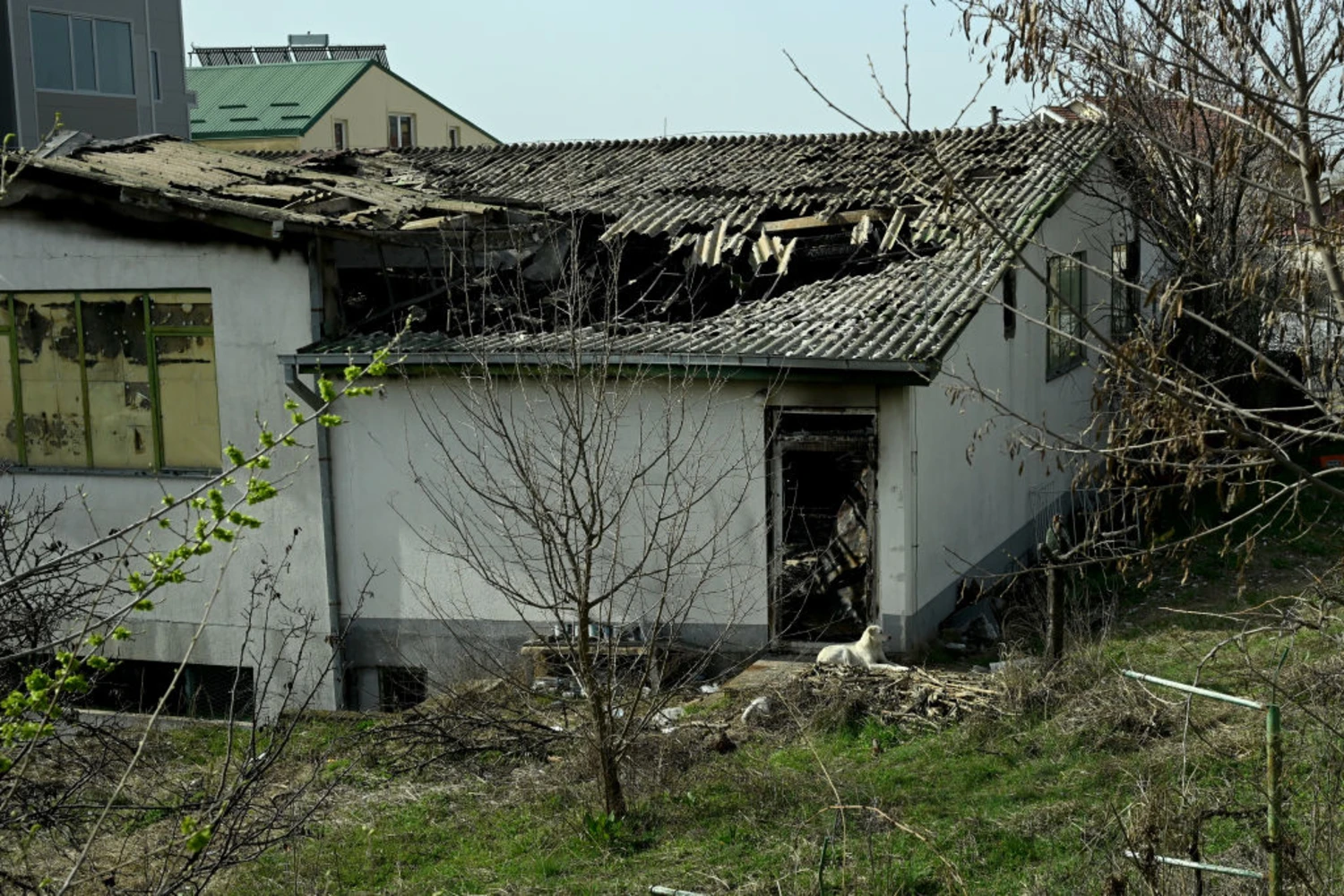
The small town of Kočani in North Macedonia was struck by a devastating tragedy in the early hours of Sunday when a raging fire engulfed the Pulse nightclub. The incident, which occurred during a pop concert attended by more than 1,500 people, has left the nation in mourning.
The official death toll currently stands at 51, with over 100 individuals injured, some of whom are in critical condition. The nightclub fire, reportedly sparked by pyrotechnic devices used for stage effects, spread rapidly due to the venue’s flammable roofing materials. The tragedy has raised concerns about fire safety standards and enforcement in entertainment venues across the region.
The Night of the Tragedy
The Pulse nightclub, a popular entertainment venue in Kočani, was hosting a concert by the hip-hop group DNK when the fire broke out. According to eyewitnesses, the blaze started around 3 a.m. when special-effect pyrotechnics were set off, sending sparks toward the ceiling.
The roof, made of highly flammable materials, quickly caught fire, causing flames and thick smoke to spread throughout the nightclub within minutes. As soon as the fire started, chaos ensued.
Concertgoers rushed toward the exits in a desperate bid to escape the inferno. Videos posted on social media captured moments of panic as people stumbled over each other in the dense smoke. The musicians performing on stage reportedly urged the audience to evacuate immediately, but the speed at which the fire spread left many trapped inside.
Emergency services arrived at the scene quickly, but the fire had already consumed most of the club by the time firefighters managed to contain the flames.
🛑WARNING GRAPHIC
— Ms_Harmony ツ (@Ms_Harmony58) March 16, 2025
Nightclub 🔥fire in North Macedonia, 59 people have been killed and more than 155 injured
The blaze broke out around 02:30 (01:30 GMT) at the #Pulseclub in #Kocani, a town around 100 km (60 miles) east of the capital, Skopje, where 1,500 people were attending… pic.twitter.com/tUz64rtY7S
Rescuers worked tirelessly to pull survivors from the wreckage, but the intensity of the blaze made their task incredibly difficult. The local hospitals were soon overwhelmed with injured victims suffering from severe burns and smoke inhalation.
Government and Public Response
The tragedy has prompted an outpouring of grief across North Macedonia and beyond. Prime Minister Hristijan Mickoski addressed the nation, calling the loss of so many young lives “irreparable.”
He assured the public that authorities had fully mobilized all resources to provide aid to the injured and support to the grieving families. In his statement, Mickoski urged citizens to remain united and show solidarity in this time of profound sorrow.
Interior Minister Panche Toshkovski visited the site of the disaster and confirmed that the fire was likely caused by the use of stage pyrotechnics. He also announced that several people had been detained in connection with the incident.
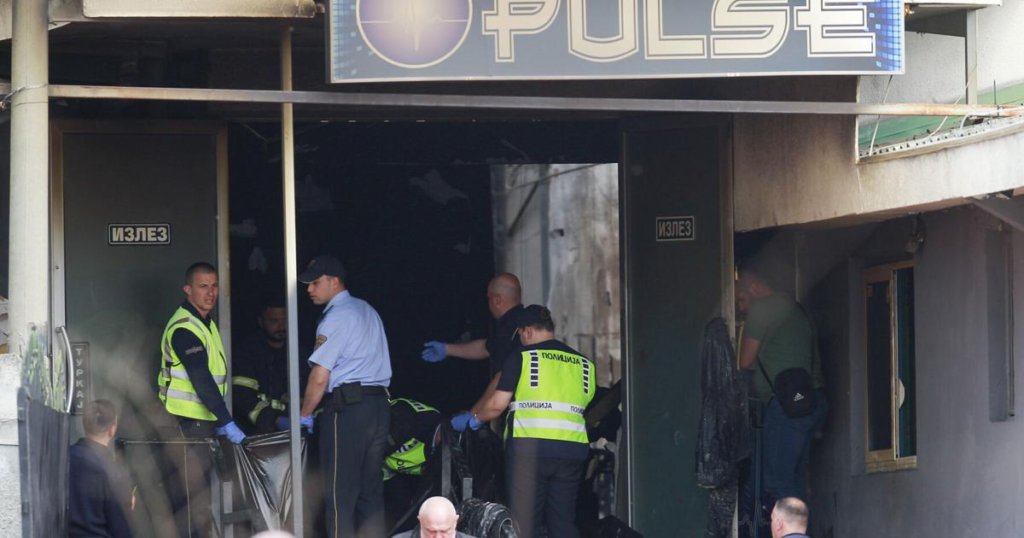
While the authorities have not disclosed the exact nature of these arrests, investigations are underway to determine whether there was negligence on the part of the club’s management. Health Minister Arben Taravari stated that 118 people had been admitted to hospitals in Kočani and Skopje, with at least 27 victims suffering from severe burns.
Children were reportedly among the injured, adding to the heartbreak of the tragedy. Neighboring countries, including Greece, Bulgaria, and Albania, have extended their condolences and offered medical assistance.
Public reaction has been a mixture of grief and outrage. Many are questioning how a venue that was packed far beyond its official capacity was allowed to operate without adequate fire safety measures. Reports indicate that there was an insufficient number of fire extinguishers at the nightclub, raising suspicions about possible regulatory lapses.
The Aftermath and Calls for Accountability
As North Macedonia mourns the victims of this catastrophic event, calls for accountability and stricter fire safety regulations have grown louder. Experts and activists argue that this tragedy could have been prevented had there been better enforcement of building safety codes and fire prevention measures.
Markos Trosanovski, a political analyst in Skopje, has pointed out institutional failures that may have contributed to the disaster.
He noted that preliminary findings suggest the nightclub was operating beyond its legal capacity and lacked essential fire-fighting equipment. “This is a systemic issue,” he said. “It is not enough to respond after the fact; we need to prevent such incidents through strict enforcement of safety regulations.”
International leaders have also expressed their condolences and support for North Macedonia. Greek Prime Minister Kyriakos Mitsotakis extended heartfelt sympathies, while European Council President António Costa assured the country of the European Union’s solidarity. The EU has vowed to provide any necessary assistance to help North Macedonia recover from this devastating loss.
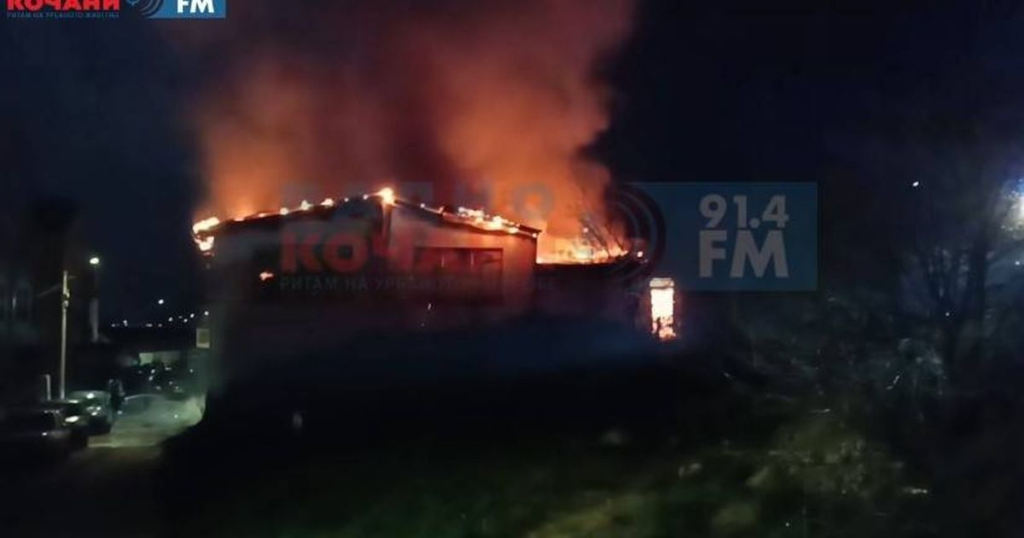
Investigations into the incident are ongoing, with authorities focusing on determining liability. Fire safety experts have stressed that nightclub fires are particularly dangerous due to the enclosed spaces, flammable materials, and high occupancy rates. They argue that stricter fire codes and regular safety inspections must be implemented to prevent future tragedies.
In the wake of the disaster, the North Macedonian government has promised to reevaluate existing fire safety laws and take immediate action to ensure compliance.
Officials have hinted at potential legal consequences for those found responsible for negligence in this case. Meanwhile, families of the victims are left to mourn their loved ones, grappling with the harsh reality of an avoidable catastrophe.
This tragic fire at Pulse nightclub has left an indelible mark on North Macedonia. It serves as a stark reminder of the importance of fire safety regulations and the devastating consequences of neglect.
As investigations continue and authorities seek answers, the hope remains that lessons will be learned and reforms will be implemented to prevent similar disasters in the future.