
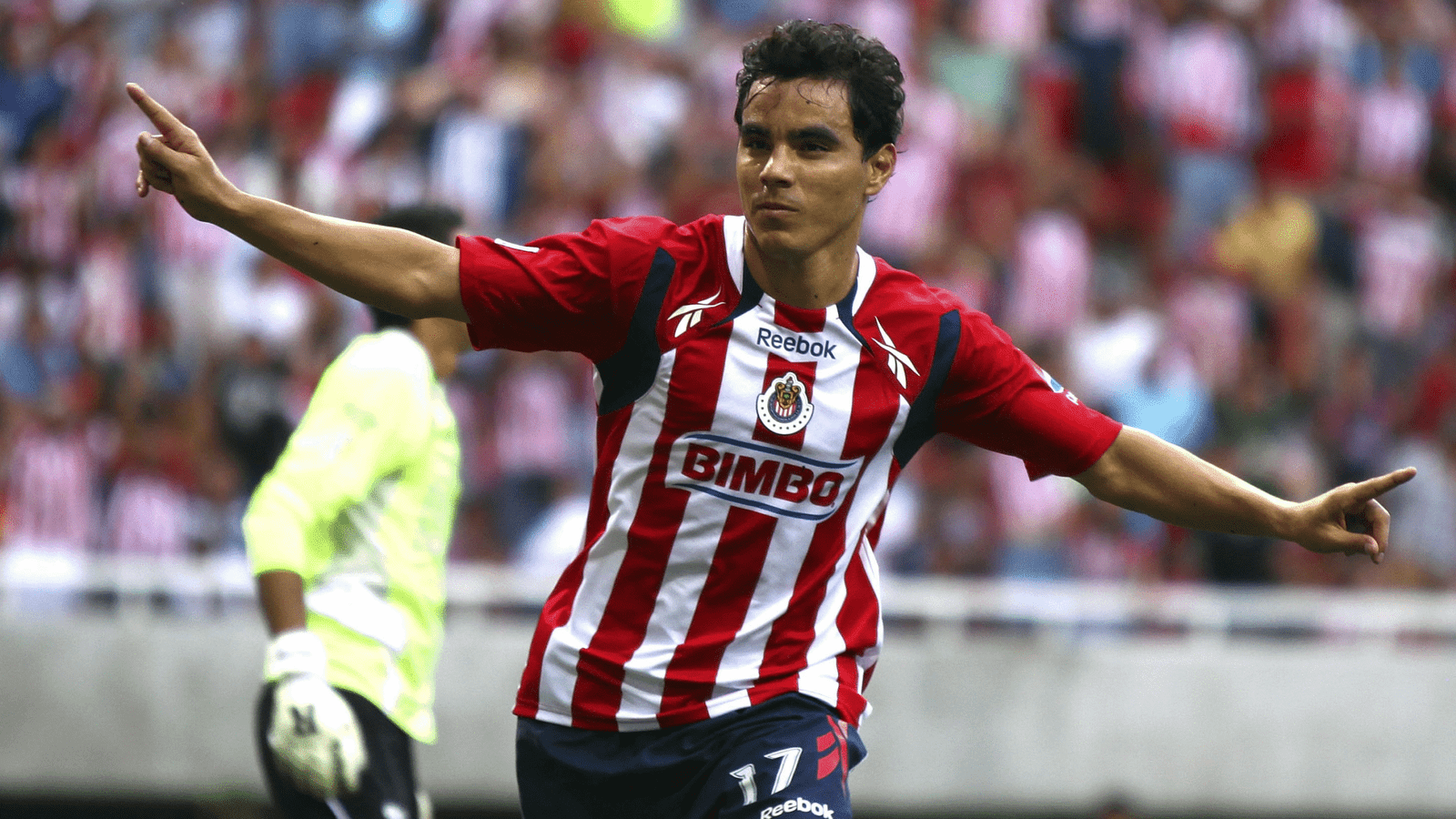
In a shocking development that has sent ripples through the Mexican soccer community, former national team forward Omar Bravo was arrested on Saturday in Zapopan, Jalisco, on charges of aggravated child sexual abuse. The 45-year-old Bravo, long revered as a Chivas de Guadalajara legend, now faces serious allegations stemming from multiple incidents involving a teenage girl. Mexican authorities acted swiftly following a formal complaint, highlighting ongoing efforts to combat child exploitation in the region.
This arrest marks a stark contrast to Bravo’s celebrated career, which spanned over a decade at the highest levels of professional soccer. As details emerge, the case underscores the challenges of holding public figures accountable for alleged crimes behind closed doors. Bravo’s detention has been confirmed by the Jalisco State Attorney General’s Office, with investigators pointing to evidence of repeated abuse in recent months. The former athlete is expected to make his initial court appearance shortly, where formal charges will be outlined.
This incident comes at a time when Mexico grapples with broader issues of child protection, with authorities emphasizing the importance of victim testimony in building airtight cases. Bravo, who retired from professional play in 2018, had maintained a low public profile in recent years, focusing on social media and occasional media appearances. No immediate statement from Bravo or his legal representatives has been issued, leaving fans and former teammates in a state of disbelief.
Bravo’s Storied Career: From Chivas Hero to National Icon
Omar Bravo’s journey in soccer began in the youth academies of Guadalajara, where his raw talent quickly propelled him into the spotlight. Making his professional debut for Chivas de Guadalajara in 2001 at the age of 21, Bravo wasted no time establishing himself as a prolific scorer. Over the course of his tenure with the club, which lasted intermittently until 2014, he netted an astonishing 160 goals across all competitions, cementing his status as the all-time leading goal scorer for the storied Mexican side.
This feat alone earned him a place in Chivas lore, with fans dubbing him “El Búfalo” for his relentless attacking style and physical presence on the pitch. Bravo’s contributions were instrumental in Chivas’ 2006 Apertura championship win, a triumph that remains one of the highlights of his club career. His ability to deliver in high-stakes matches, particularly in the Clásico Nacional against rivals Club América, made him a fan favorite and a symbol of regional pride for Jalisco supporters.
Beyond the domestic league, Bravo’s prowess caught the eye of international scouts. In 2005, he secured a move to Spain’s Deportivo La Coruña, where he spent two seasons honing his skills in La Liga, Europe’s premier soccer competition. Though his time abroad yielded modest goal tallies—seven in 46 appearances—it provided invaluable experience against world-class defenders and midfielders. Returning to Mexico in 2007, Bravo rejoined Chivas, where he continued to shine, adding depth to his legacy with consistent performances.
Read : Son of a Mexican Drug Cartel Boss El Menchito Sentenced to Life in US Prison
Later stints with Tigres UANL, Sporting Kansas City in Major League Soccer, Cruz Azul, and Atlas rounded out a 17-year professional career marked by versatility and longevity. By the time he hung up his boots in 2018, Bravo had amassed over 300 career goals, a testament to his enduring impact on the sport. Internationally, Bravo represented El Tri with distinction, earning 67 caps and scoring 15 goals between 2004 and 2010. His debut came in a friendly against Cuba, but it was his role in major tournaments that truly defined his national team legacy. At the 2004 Athens Olympics, Bravo was part of Mexico’s squad that reached the quarterfinals, showcasing the promise of a golden generation.
Read : top 10 countries with the most beautiful woman in the world
Two years later, he featured prominently in the 2006 FIFA World Cup in Germany, starting in group stage matches against Iran and Portugal. Though Mexico exited in the Round of 16, Bravo’s composure under pressure earned praise from coaches and pundits alike. Post-retirement, Bravo transitioned into coaching youth teams and serving as a club ambassador for Chivas, roles that positioned him as a mentor to aspiring talents in Guadalajara. His off-field persona—family-oriented and community-focused—contrasted sharply with the allegations now clouding his reputation, prompting reflections on the pressures faced by former athletes in the public eye.
The Arrest: Details of the Investigation and Charges
The arrest of Omar Bravo unfolded as part of a targeted operation by the Jalisco State Attorney General’s Office, specifically the Deputy Prosecutor’s Office for Specialized Investigations in Attention to Women, Girls, Boys, Adolescents, Gender, and Family. On Saturday morning, investigative police units executed a warrant in the heart of Zapopan, a bustling suburb of Guadalajara just minutes from Chivas’ home stadium, Estadio Akron. Bravo, identified in official statements as “Omar ‘N'” to protect investigative integrity, was taken into custody without incident.
The operation stemmed from a detailed complaint filed by the alleged victim’s family, which triggered an immediate probe into claims of sexual abuse spanning several months. According to the prosecutor’s statement, evidence gathered indicates that Bravo allegedly abused a teenage girl on multiple occasions, with incidents occurring in private settings in the Zapopan area. Investigators have described the acts as aggravated due to the victim’s minor status and the repeated nature of the offenses, classifying them under Mexico’s stringent child protection laws.
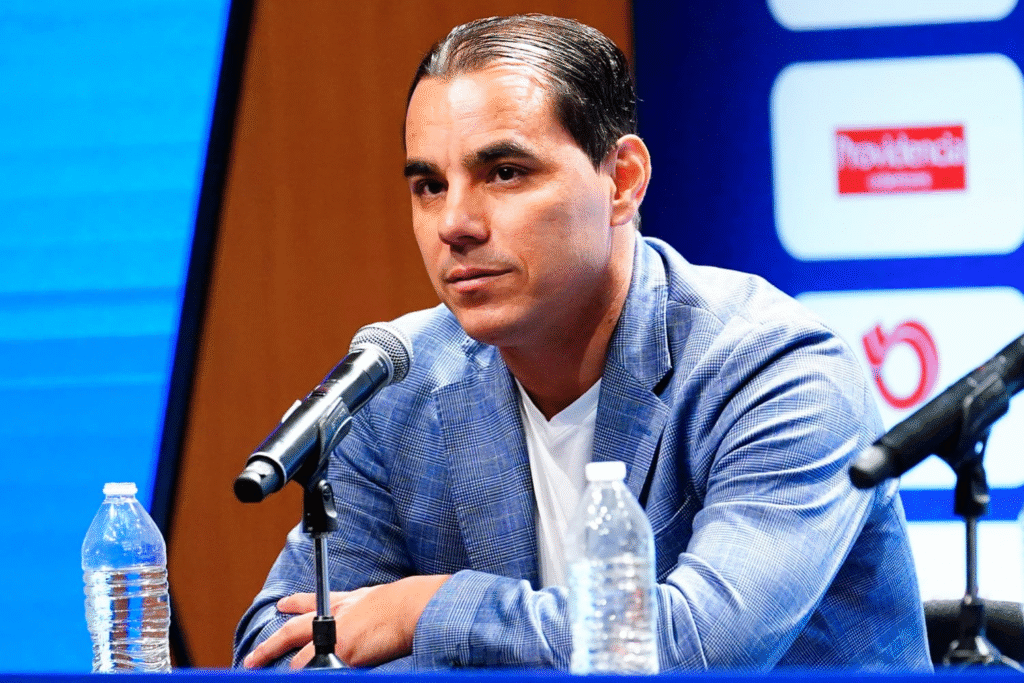
These statutes, reformed in recent years to align with international standards, impose severe penalties—up to 30 years in prison—for such crimes, reflecting a national push to eradicate sexual violence against minors. Preliminary findings also suggest Bravo may have engaged in similar conduct prior to the reported incidents, prompting authorities to expand the scope of their inquiry. Forensic analysis, witness interviews, and digital records are reportedly central to the case file, though specifics remain sealed to safeguard the victim and ongoing proceedings.
Bravo’s detention has been logged in Mexico’s National Registry of Detentions, ensuring transparency and preventing any procedural lapses. He was transferred to a secure facility in Guadalajara, where he awaits arraignment. Prosecutors have indicated that the court hearing, likely within 48 hours of arrest, will determine whether Bravo remains in custody pending trial or is released on bail. Factors such as flight risk—given his prominence and resources—and the gravity of the charges weigh heavily in this decision.
Legal experts familiar with Jalisco’s judicial system note that high-profile cases like this often face intense scrutiny, with judges erring on the side of caution to avoid public backlash. As of Sunday, no bail amount has been set, and Bravo’s legal team has yet to comment publicly. The victim’s identity is protected under privacy laws, but support services, including psychological counseling, have been mobilized through state agencies. This case adds to a series of investigations into child abuse in Jalisco, where authorities have reported a 15% uptick in complaints over the past year, attributed to greater awareness and reporting mechanisms.
Reactions and Implications: Shockwaves in Mexican Soccer
News of Omar Bravo’s arrest spread like wildfire across Mexico’s soccer ecosystem, eliciting a torrent of reactions from fans, former colleagues, and officials. Chivas de Guadalajara, the club most synonymous with Bravo’s name, issued a brief statement expressing profound sadness and reaffirming their zero-tolerance policy on violence against vulnerable groups. “We are cooperating fully with authorities and stand in solidarity with any affected parties,” the club said, stopping short of commenting on the specifics to avoid prejudicing the investigation.
Supporters’ groups, known for their fervent loyalty, have been divided: while some call for due process, others have organized silent vigils outside team facilities, holding signs reading “Justice for the Innocent.” Social media platforms buzzed with hashtags like #BravoArresto and #ProtegeALosNinos, amassing millions of views within hours.mFormer teammates and coaches offered measured responses, grappling with the dissonance between the man they knew and the accusations. Ramón Ramírez, a Chivas contemporary who played alongside Bravo in the 2006 title run, told local media, “This is devastating. Omar was like a brother on the field, but if true, no one is above the law.”
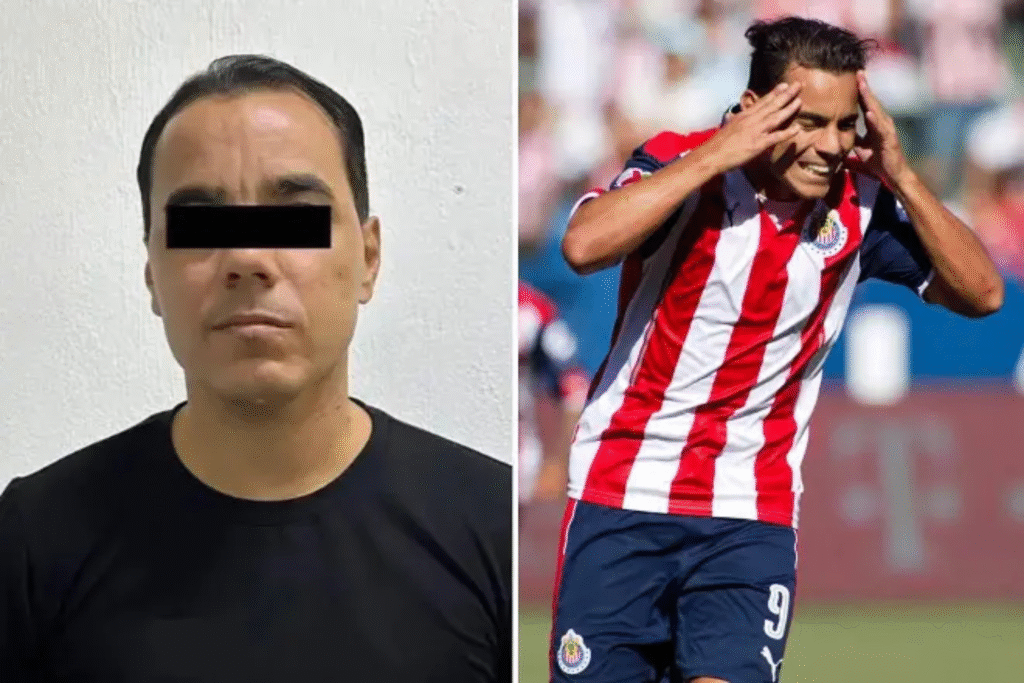
National team alumni, including World Cup veterans, echoed calls for accountability, with the Mexican Football Federation monitoring developments closely. Broader sports commentators have linked the arrest to a troubling pattern in Latin American soccer, where idols like Argentina’s Diego Maradona have faced posthumous reckonings for personal failings. In Mexico, recent scandals involving Liga MX figures have prompted league-wide training on ethics and child safeguarding, measures now under renewed review.
The implications extend far beyond Bravo’s personal fate. For the victim and her family, this represents a critical step toward closure, bolstered by Mexico’s evolving legal framework that prioritizes survivor rights. Advocacy groups like the National Network Against Child Sexual Abuse praised the swift action, crediting community education campaigns for empowering the complaint.
On a societal level, the case amplifies discussions on celebrity influence and the hidden epidemics of abuse in affluent enclaves like Zapopan. Soccer, as Mexico’s national passion, serves as a mirror: while it unites millions, it must confront shadows to maintain integrity. As Bravo’s hearing approaches, all eyes remain on Jalisco’s courts, where the pursuit of justice could redefine legacies built on glory. This unfolding saga serves as a grim reminder that heroism on the pitch does not exempt anyone from scrutiny off it, urging a collective commitment to protecting the most vulnerable.