
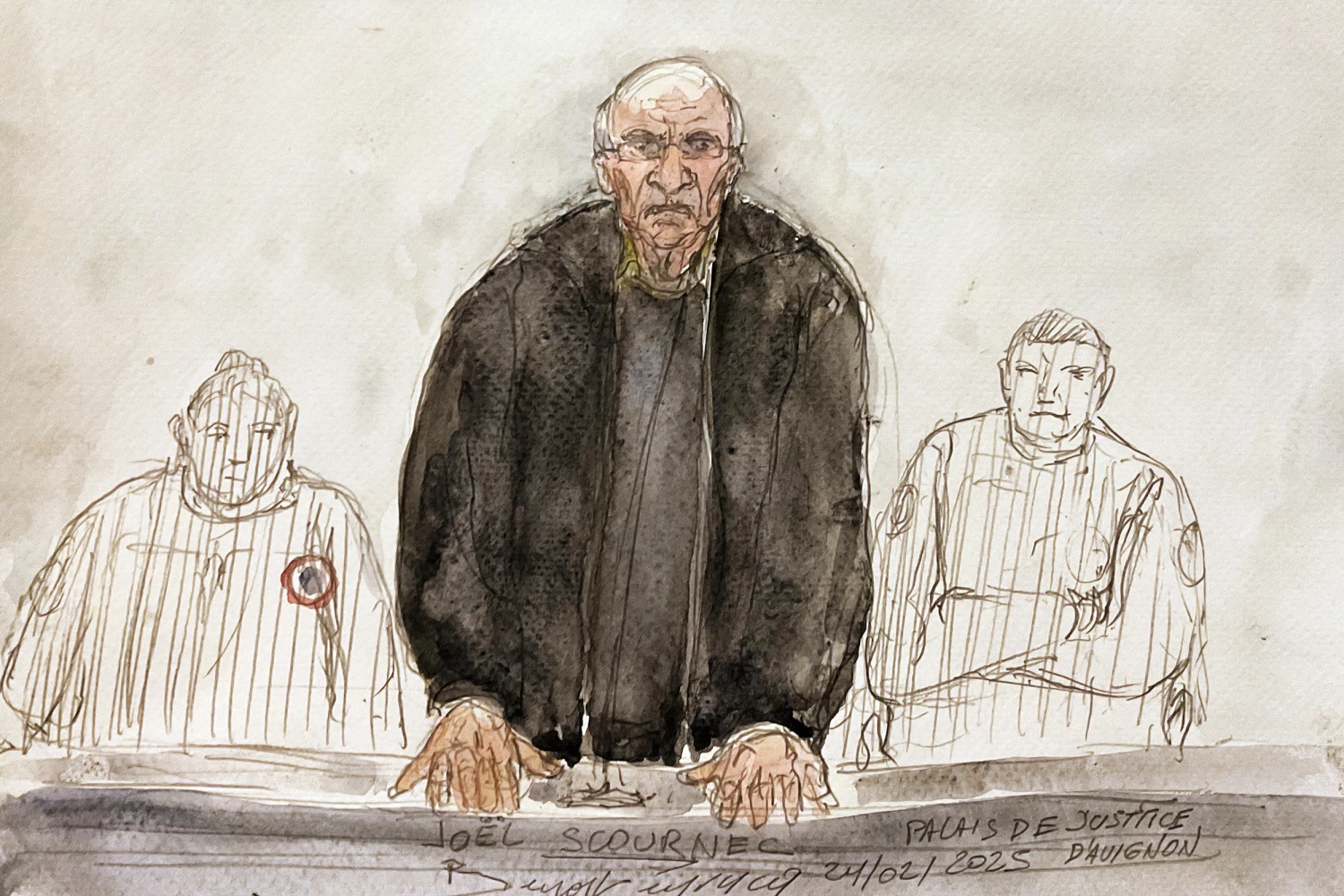
In a landmark ruling that has sent shockwaves through France, Joël Le Scouarnec, a 74-year-old former surgeon, was sentenced to 20 years in prison on Wednesday, marking the conclusion of the country’s largest child sexual abuse trial.
The court in Vannes, located in the Brittany region, convicted Le Scouarnec of sexually assaulting 299 victims, primarily children, over a span of three decades. Most of his victims were girls and boys with an average age of 11, many of whom were assaulted while under anesthesia or recovering from surgical procedures.
The case has not only exposed the horrific extent of Le Scouarnec’s crimes but also raised critical questions about systemic failures within the French medical system that allowed such atrocities to persist undetected for so long.
The Trial: A Disturbing Chronicle of Abuse
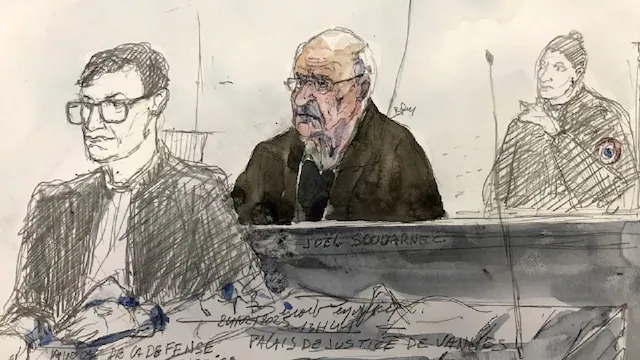
The trial of Joël Le Scouarnec, which spanned three months, was an emotionally charged and unprecedented event in French legal history. The sheer scale of the case—299 victims—made it the largest child sexual abuse trial in the country.
The court heard harrowing testimonies from hundreds of witnesses, including Le Scouarnec’s niece and a family friend, who alleged abuse dating back to the early 1980s. However, due to France’s statute of limitations, these earlier allegations could not be prosecuted, leaving many victims without legal recourse for crimes committed decades ago.
Le Scouarnec, a father of three, did not contest the charges. In a chilling admission during the trial, he confessed to committing “hideous acts” and expressed a desire to “become a better person” without seeking leniency from the court. His candor, however, did little to mitigate the horror of his actions.
Many of the assaults took place in hospital settings, where Le Scouarnec exploited his position as a trusted surgeon to target vulnerable children, often while they were unconscious or recovering from surgery. The prosecution revealed that Le Scouarnec meticulously documented his crimes in digital diaries, which became a critical piece of evidence in building the case against him.
For many victims, these diaries provided the only record of their abuse, as they had no memory of the assaults due to anesthesia or trauma. The court sentenced Le Scouarnec to the maximum penalty of 20 years, to run concurrently with a 15-year sentence he is already serving for the rape of a young neighbor and three other children, as decided in a 2020 trial.
To prevent recidivism, the judges stipulated that Le Scouarnec must serve at least two-thirds of his sentence before being eligible for any adjustments. The prosecution also made a rare request for Le Scouarnec to be held in a treatment center under supervision after his release, though it remains unclear whether the court approved this measure.
Read : 12-Year-Old Girl Eats Viral Smoky Paan: What Happened Next Will Give You a Death Scare
The scale of the trial required extraordinary arrangements, with proceedings broadcast to a 450-seat auditorium and additional transmission rooms to accommodate victims, their families, the media, and spectators.
Systemic Failures in the French Medical System
One of the most troubling aspects of the Le Scouarnec case is the systemic failure that allowed him to continue practicing medicine despite clear warning signs. As early as 2005, Le Scouarnec was convicted of possessing images depicting child abuse, a red flag that should have prompted immediate action to revoke his medical privileges.
Instead, he was permitted to work across nine public hospitals and private clinics in five regions of France, specializing in appendectomies, abdominal, and gynecological surgery. This oversight enabled him to continue his predatory behavior unchecked for years, exploiting his position of authority to target vulnerable patients.
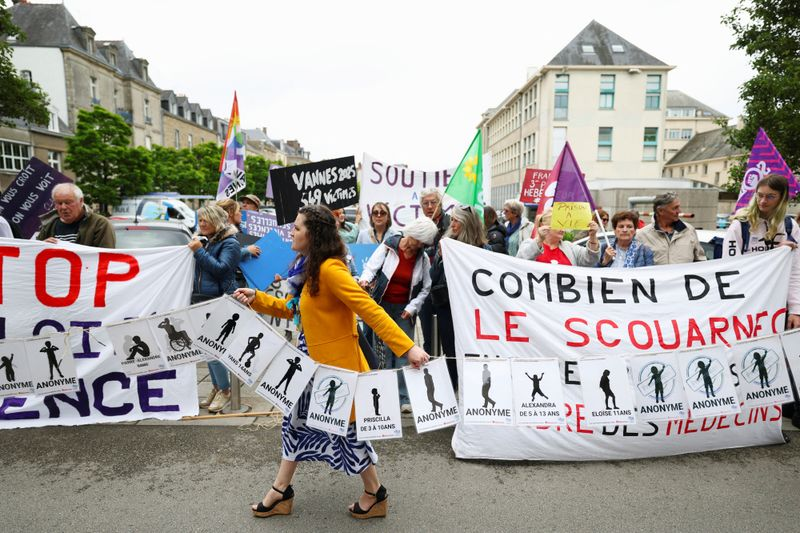
Francesca Satta, a lawyer representing 10 victims and their families, described Le Scouarnec as having benefited from a system that provided him with a “hunting ground.” The fact that he was able to move seamlessly between medical institutions without scrutiny raises serious questions about oversight and accountability within the French healthcare system.
Victims’ advocates argue that the medical system’s reluctance to act on allegations against doctors, particularly in areas with shortages of medical professionals, may have contributed to the prolonged nature of Le Scouarnec’s crimes. The case has sparked outrage among child protection advocates, who are calling for reforms to ensure that such failures are not repeated.
The Le Scouarnec case also highlights broader issues in the pursuit of child abuse allegations in France. While it is illegal for an adult to engage in sexual activity with a minor under 15, advocates point out that many perpetrators are never charged, often due to a lack of evidence or societal reluctance to confront such allegations, particularly when they involve respected professionals like doctors. The case underscores the need for more robust mechanisms to investigate and address allegations of abuse, especially in institutional settings where power imbalances can silence victims.
Implications for Child Protection in France
The sentencing of Joël Le Scouarnec is a significant step toward justice for his victims, but it also serves as a sobering reminder of the challenges in preventing and addressing child sexual abuse. The case has galvanized victims’ advocates, who hope it will prompt a reevaluation of how child abuse allegations are handled in France.
The fact that Le Scouarnec was able to operate for decades without detection suggests a need for stronger safeguards, including mandatory reporting protocols, stricter oversight of medical professionals, and reforms to the statute of limitations to allow for the prosecution of historical abuse cases.
The trial has also shed light on the psychological toll of abuse on victims, many of whom were unaware of the assaults until Le Scouarnec’s diaries were discovered. The use of digital evidence in this case underscores the importance of thorough investigations and the preservation of records in prosecuting such crimes. For victims who testified, the trial offered a chance to confront their abuser and seek closure, though the emotional scars of their experiences will likely endure.
Moving forward, advocates are calling for increased education and awareness about child sexual abuse, both within the medical community and society at large. Training programs for healthcare professionals could help identify warning signs of predatory behavior, while public campaigns could empower victims to come forward and report abuse. Additionally, the case highlights the need for better support systems for survivors, including access to counseling and legal assistance.
The Le Scouarnec case has also sparked a broader conversation about trust in institutions. The fact that a respected surgeon could perpetrate such widespread harm under the guise of medical care has eroded public confidence in the healthcare system. Restoring that trust will require transparency, accountability, and a commitment to prioritizing patient safety above all else.
In conclusion, the sentencing of Joël Le Scouarnec to 20 years in prison marks a significant moment in France’s fight against child sexual abuse. The trial has exposed the devastating impact of his actions on hundreds of victims and revealed deep flaws in the systems meant to protect the vulnerable.
While the maximum sentence reflects the severity of his crimes, it also serves as a call to action for systemic reform. By addressing the failures that allowed Le Scouarnec to evade justice for so long, France has an opportunity to strengthen its protections for children and ensure that such a tragedy is never repeated.