
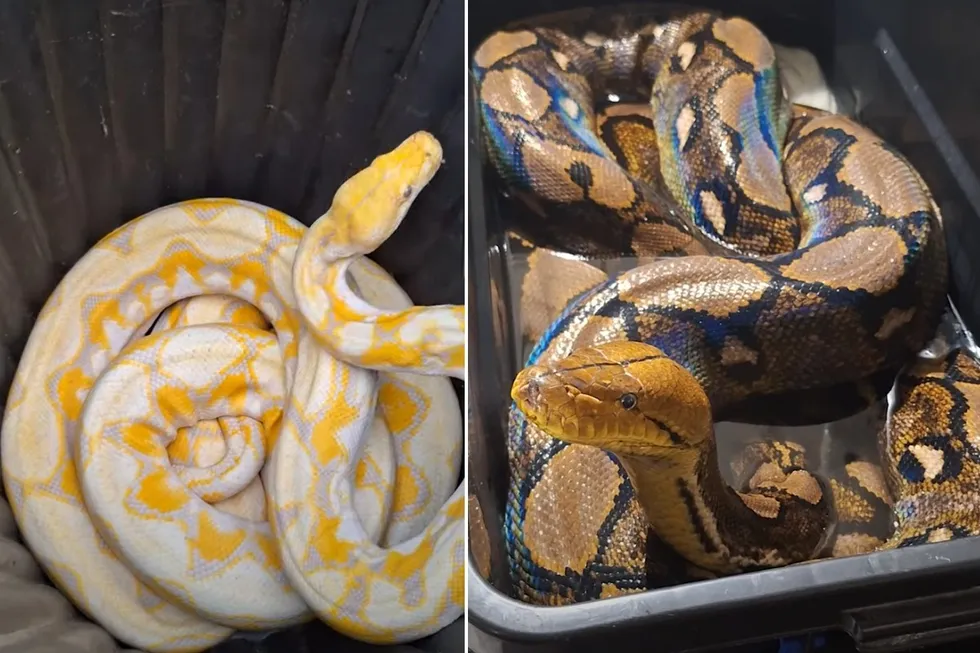
The tranquil countryside of Lincolnshire was recently jolted by a bizarre and alarming discovery: four giant reticulated pythons were found abandoned in rural areas, prompting a full-scale investigation by Humberside Police. The incident has stirred public concern, especially as one of the snakes remains unaccounted for and is believed to still be at large.
Known for their immense size and power, these exotic reptiles are native to the dense forests and rivers of South and Southeast Asia—not the English countryside. The unexpected appearance of these predators in such a setting raises serious questions about animal welfare, public safety, and the responsibilities of exotic pet ownership.
On Tuesday, June 10, local authorities responded to reports from the Twigmoor and Cleatham areas where the giant snakes were discovered. The snakes were identified as reticulated pythons, with varying morphs including two albino specimens and one believed to be a Pied Golden Child Morph.
These Pythons are part of a species known for being the longest in the world, capable of reaching lengths exceeding 20 feet. One python found near Manton measured approximately 18 feet and was described as a wild type, not a specialized morph. This alarming size adds gravity to the situation, especially considering the snake was roaming freely in an unfamiliar environment.
Humberside Police’s Rural Task Force has taken the lead in investigating this strange and troubling case. They are treating the incident as a potential breach of the Wildlife and Countryside Act 1981, which protects both wild animals and the environment from inappropriate interference or harm.
Read : Woman Swallowed by 30-Foot Python in Indonesia: Husband Finds Her Legs Sticking Out of Its Mouth
It is suspected that the snakes were abandoned by an individual who could no longer care for them—a growing problem as exotic pet ownership becomes more popular in the UK. Police have issued a stern warning to the public: do not approach any of the snakes if sighted. Though not venomous, reticulated pythons are capable of inflicting harm, particularly if they feel threatened or cornered.
The Perils of Abandoning Exotic Pets
The case has drawn significant attention not just because of the fear such large snakes can generate, but also due to the broader implications it has on the issue of exotic pet abandonment. Reticulated pythons are non-native to the UK, and their sudden appearance in the wild poses a danger not only to people but also to native wildlife.
These Pythons are apex predators in their natural habitats, feeding on mammals and birds, and they kill by constriction—coiling around prey and suffocating it. Introducing such a predator into the English countryside is not only cruel to the animal but could have unintended ecological consequences.
Experts believe the snakes were previously kept as pets, which may make them less likely to display aggressive behavior. Nevertheless, their sheer size and strength make them a potential danger if encountered by someone unaware or unprepared. The police have emphasized that although the snakes will not actively attack humans, they can and will defend themselves if they feel threatened.
Read : Bizarre! Thieves Used Pythons to Steal $400 Worth of CBD Oil at Petrol Station in Tennessee
This is particularly concerning for dog walkers and children who may unknowingly stumble upon a hidden snake in tall grass or underbrush. As a precaution, the public has been advised to keep dogs on leads and avoid venturing into the specific rural areas where the Pythons were found.
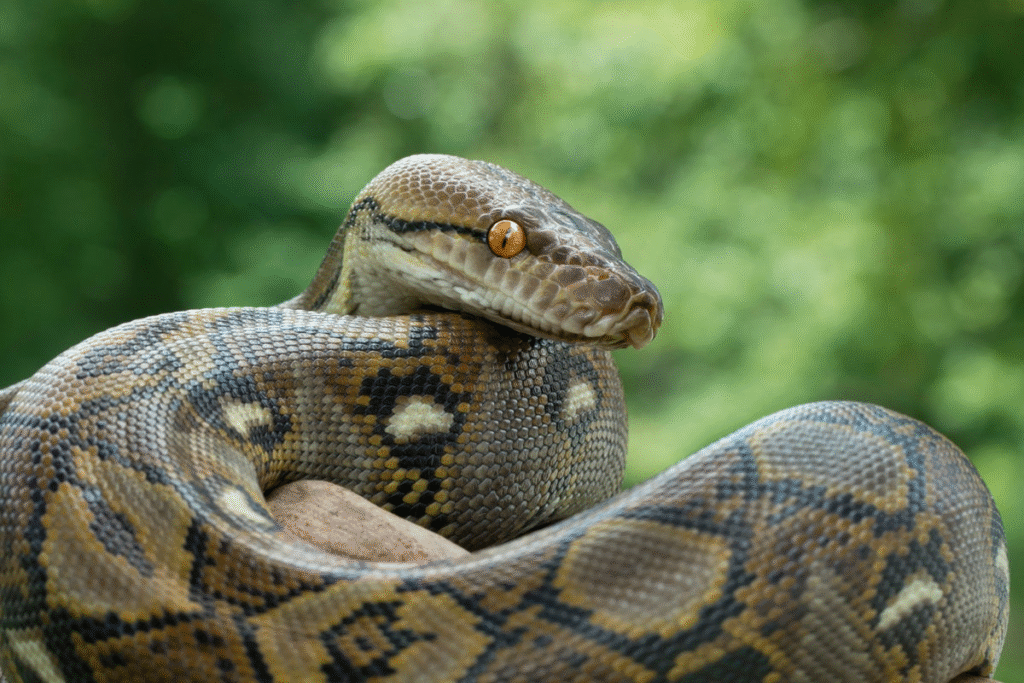
The act of releasing exotic animals into the wild is both irresponsible and illegal. Authorities have urged anyone who finds themselves unable to care for such pets to take them to an exotic animal rescue or specialist store, rather than simply releasing them. Dumping a large constrictor in a countryside area is not only endangering the animal itself, which is not equipped to survive in the British climate, but also endangering the public and other wildlife.
The Humberside Police have asked the public to come forward with any information that might identify the individual responsible for the release of these pythons. Those with relevant knowledge are encouraged to contact the Rural Task Force by email or by calling 101, quoting reference number 25000081788.
What Are Reticulated Pythons?
The reticulated python (Malayopython reticulatus) is a non-venomous snake species that holds the record for being the longest snake in the world. Native to countries such as Indonesia, the Philippines, Thailand, and Malaysia, these snakes are often found near bodies of water in tropical rainforests. They are known for their intricate color patterns—hence the name “reticulated”—and are prized in the exotic pet trade for their unique appearance and impressive size.
Despite their beauty, reticulated pythons are not suitable for novice pet owners. Adult snakes can weigh over 150 kilograms and reach lengths beyond 20 feet. They require specialized care, including large enclosures, temperature control, and a proper diet, usually consisting of rabbits, chickens, or other small mammals. These conditions are difficult to maintain, particularly as the snake grows larger, leading many owners to underestimate the commitment involved. As such, some owners may resort to abandoning their pets once they become too large or costly to manage.

In captivity, reticulated pythons can live over 20 years if properly cared for. However, improper handling or poor living conditions can lead to health issues, stress, and aggression. The albino and morph varieties found in Lincolnshire indicate the snakes were likely bred in captivity, which may reduce their instinctual fear responses but does not eliminate their capacity to injure. As such, releasing such animals into the wild is dangerous and short-sighted.
The exotic pet trade has long been controversial, particularly when it involves apex predators or large reptiles. While some argue for the right to keep such animals, others emphasize the need for stricter regulations to protect both the animals and the public. This case is a stark reminder of what can go wrong when these animals are treated as commodities rather than living creatures requiring long-term commitment.
Public Reaction and Ongoing Investigation
The discovery of these giant pythons in a serene English countryside has shocked the local community and sparked a wave of reactions online. Social media users have expressed disbelief, fear, and outrage that such creatures were released into the wild.
Some have called for tougher laws governing exotic pet ownership, while others have shared concerns about walking their dogs or letting their children play outdoors. Animal welfare organizations have also weighed in, stressing the need for better education and awareness around the responsibilities of keeping exotic animals.
The Humberside Police, working alongside exotic animal experts and wildlife organizations, have managed to capture three of the four snakes. These efforts involved coordinated searches and careful handling to avoid harm to both the animals and rescuers. The fourth python, however, remains missing.
Police have stated they believe it may still be in the area, and the search is ongoing. Thermal imaging and drone surveillance have been considered to aid in the search efforts, particularly as dense vegetation can provide effective camouflage for such a large snake.

Authorities are urging residents to remain vigilant but not to panic. The reticulated python is not inherently aggressive, and incidents of human fatalities are extremely rare. Nonetheless, officials have reiterated the importance of not trying to capture or handle the snake if seen. Instead, they are asking the public to provide a precise location and contact the authorities immediately.
The incident has also led to renewed discussion about the loopholes in UK laws regarding exotic pets. While keeping such animals is legal under certain conditions, enforcement and monitoring remain limited. Animal rights activists are pushing for tighter controls, including licensing, regular inspections, and a ban on certain species being kept as pets. They argue that the current situation enables irresponsible ownership and abandonment, with the animals often being the ones to suffer the consequences.
As the investigation continues, Humberside Police are committed to finding out how these snakes ended up in the countryside. Surveillance footage from nearby roads and interviews with residents and local pet stores are part of the ongoing inquiry. If the person responsible is identified, they could face charges under the Wildlife and Countryside Act 1981, including fines and potential imprisonment for animal cruelty and environmental endangerment.
The Lincolnshire python incident serves as a stark warning about the dangers and ethical concerns of exotic pet ownership. It highlights the need for stricter regulations, better public education, and more robust enforcement to ensure such events do not happen again. As one giant snake remains at large, the hope is that swift action and increased awareness will prevent further danger and ensure the safe recovery of the animal.