

The beloved Freddo chocolate bar, a frog-shaped treat created nearly a century ago, holds a special place in confectionery history. Yet, despite its nostalgic appeal and iconic status, the daughter of its original creator has publicly shared why she refuses to buy a Freddo since her father passed away. Leonie Wadin’s poignant reflections bring attention not only to the bar’s shrinking size and rising price but also to wider issues of inflation, shrinkflation, and the changing economics of beloved consumer goods.
The Legacy of the Freddo: A Penny Chocolate with Heart
The story of the Freddo chocolate bar begins with Harry Melbourne, a confectioner who first crafted this distinctive frog-shaped chocolate in Australia around the 1930s. Named after his friend Fred, the Freddo was introduced as a simple, affordable treat costing just a penny. It was a chocolate designed not just for indulgence but also accessibility, a fact that shaped its enduring place in Australian and UK culture.
Leonie Wadin, Harry Melbourne’s daughter, recalls her father’s pride in the Freddo and his dismay at how it has changed over the decades. In an interview, she revealed that she has not purchased a Freddo since her father’s death in 2007. Her reasons are rooted in her belief that the current product betrays her father’s original vision.
“Dad was disgusted with how small it is now and how much they charge for it,” she stated, “He’d roll over in his grave if he could see it now; he’d be disgusted. It was a penny chocolate.”
Read : Gassy Cows and Pigs Will Face Carbon Tax in Denmark from 2030
This sentiment resonates with many consumers who remember the Freddo as a sweet treat that was both affordable and satisfying, contrasting sharply with its current iteration, which appears to reflect broader economic pressures and industry trends rather than the joyful simplicity it once embodied.
Shrinkflation and Rising Costs: The Changing Face of Freddo
One of the most visible changes in the Freddo bar over time is its size. While the original bar was larger and priced at just a penny, the Freddo has gradually shrunk while its price has increased. In the UK, the weight of the bar currently stands at approximately 18 grams, while in Australia, it has decreased to around 12 grams. This phenomenon, often termed “shrinkflation,” occurs when manufacturers reduce the size or quantity of a product while keeping the price the same or increasing it.
Read : Bizarre! Cuban Rapper Chocolate MC Kidnaps Fan Who Approached Him for a Photo
Shrinkflation is particularly noticeable in the chocolate industry, where fluctuating global cocoa prices, climate impacts on cocoa production, and rising manufacturing costs put pressure on producers. Mondelez International, the owner of Cadbury (which markets Freddo), acknowledged these challenges. They emphasized that while they do not control retail prices, increasing supply chain and manufacturing costs have led to necessary adjustments in product pricing and packaging.
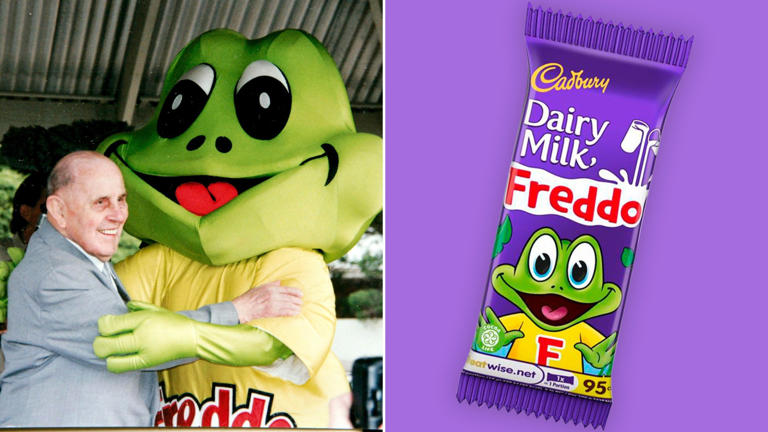
The price trajectory of Freddo in the UK highlights this change vividly. Relaunched in the 1990s at 10p, the price held steady for over a decade before increasing to 15p in 2005. More recently, some supermarkets have been observed charging up to £1 for a single bar, sparking consumer outrage. Even accounting for inflation using the Bank of England’s official calculator, which suggests that a 10p product in 1990 should cost roughly 24.8p in 2025, the current prices appear disproportionately high.
This disconnect between price, size, and perceived value has turned Freddo into a symbol of the rising cost of living, especially in the UK, where inflation and economic challenges remain a pressing concern. Consumers often see the Freddo as a “barometer” of inflationary pressures and the broader struggles faced by households navigating higher prices across many essentials.
Emotional and Cultural Impact: More Than Just a Chocolate Bar
Leonie Wadin’s refusal to buy Freddo since her father’s death is not merely about price or size—it’s also a powerful emotional statement about legacy, respect, and changing times. For her, Freddo represents more than just a confectionery product; it embodies her father’s creativity, integrity, and the joyful simplicity of his original invention.
The daughter’s criticism reflects a broader cultural tension. Many consumers feel that beloved brands that once symbolized comfort and affordability are becoming less accessible and more commercialized. The nostalgic connection to childhood memories, small pleasures, and honest pricing is increasingly overshadowed by market forces and corporate decisions.
Moreover, the shrinking size and rising price contribute to a sense of betrayal among longtime fans. The phrase “he’d roll over in his grave” captures the depth of disappointment and disillusionment felt when cherished traditions appear compromised. In response, Mondelez International has attempted to reassure consumers, stating that they strive to maintain product quality and taste despite cost pressures. However, for many, this does not fully address the underlying issues of value and trust.
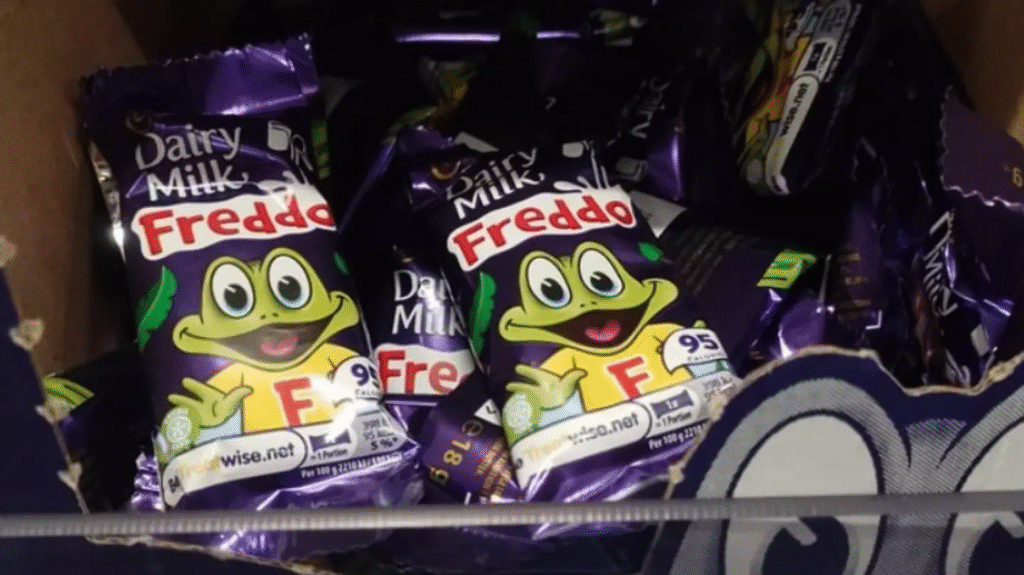
As inflation and cost of living concerns continue globally, the Freddo story serves as a microcosm of consumer experiences—how economic shifts impact everyday life and alter relationships with familiar brands. It highlights the delicate balance between business realities and maintaining consumer goodwill.
The story of the Freddo chocolate bar, from its humble beginnings as a penny treat to its present-day challenges with shrinkflation and price hikes, encapsulates complex issues that extend beyond confectionery. Leonie Wadin’s heartfelt refusal to buy Freddo since her father’s passing reflects a poignant disapproval of what the bar has become—a product far removed from the affordable, joyful chocolate her father created.
This narrative sheds light on the broader realities of inflation, supply chain costs, and consumer sentiment in a changing economic landscape. It also underscores the emotional and cultural connections that consumers have with iconic brands, reminding us that sometimes, a chocolate bar is more than just a snack—it is a legacy and a symbol of simpler times.
For fans of Freddo and consumers alike, this story offers a moment to reflect on the value of tradition, authenticity, and fairness in a world where everything seems to be changing — including the size of our favorite chocolates.
References:
Lady luck casino pa
References:
https://diego-maradona-ar.org/user/sheepsnail1/
References:
Best steroid to lose fat
References:
https://k0ki-dev.com/arlethaekg9766
References:
Online slot machines
References:
https://prosmart.by/user/combgirdle8/
References:
Can a doctor prescribe steroids
References:
https://trauerrednerin-flensburg.de/de/Gedankeninsel/index.php/;focus=STRATP_com_cm4all_wdn_Flatpress_51354333&frame=STRATP_com_cm4all_wdn_Flatpress_51354333?x=entry:entry241210-120701;comments:1
References:
Is growth hormone a steroid hormone
References:
http://121.41.2.71:3000/isispartlow661/howeasynetwork.com3815/wiki/Ventipulmin-0%2C025-mg-ml-Gel-zum-Eingeben-f%C3%BCr-Pferde%3A-Gebrauchsinformation%2C-Dosierung-%26-Effets
References:
Whats a steroid
References:
http://1.95.192.200:59300/justinebanvard
References:
Steroids for sale uk
References:
https://www.shreegandha.com/@lorenzapye4604?page=about
References:
Muscle growth products
References:
https://freehaitianmovies.com/@demetriadresdn?page=about