
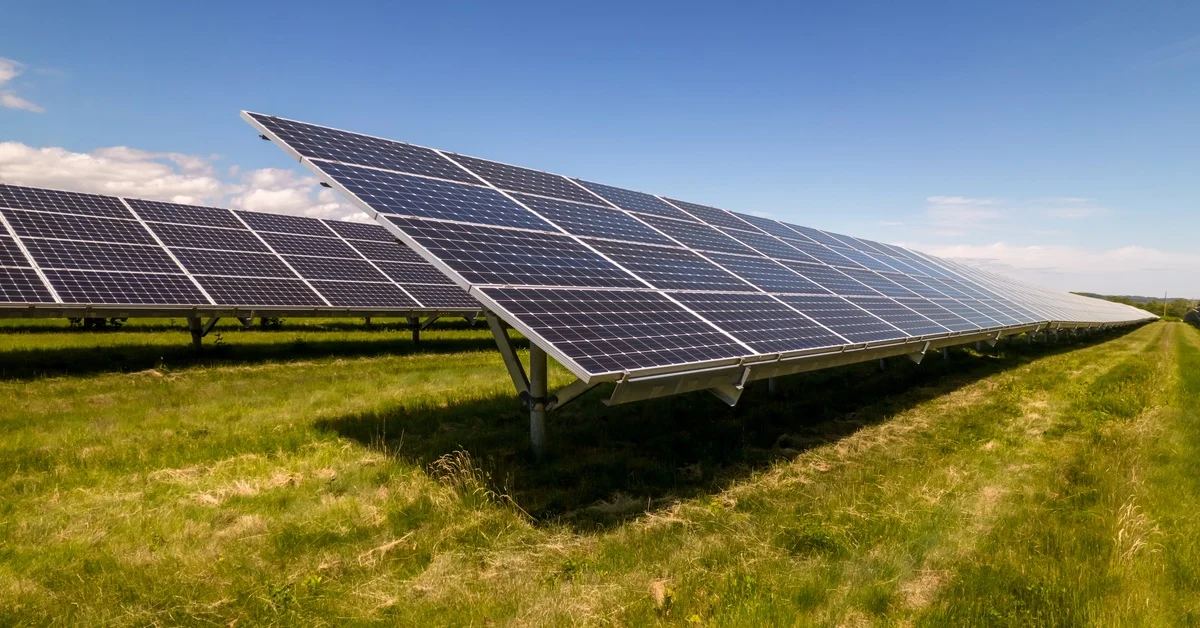
The US residential solar industry has been dealt another significant blow as Freedom Forever, once one of the country’s leading solar installation companies, has filed for Chapter 11 bankruptcy protection. The filing, submitted in a Delaware bankruptcy court, reveals a company burdened by more than $500 million in debt and facing mounting legal, financial, and operational pressures.
Once ranked as the second-largest residential solar installer in the United States, Freedom Forever’s rapid rise has now been followed by a sharp and public financial collapse that underscores the growing instability within the sector. The development reflects not only internal challenges within the company but also broader structural issues impacting the rooftop solar market across the country.
Mounting Debt and Legal Pressures Drive Collapse
Freedom Forever’s bankruptcy filing outlines a complex financial situation, with total liabilities exceeding half a billion dollars while assets fall significantly short, estimated between $100 million and $500 million. A large portion of this debt is owed to financing entities and manufacturing partners, highlighting how deeply intertwined the company was within the solar supply chain. Among its largest obligations is over $100 million owed to Mosaic Funding IX, alongside tens of millions owed to major solar equipment suppliers.
This level of financial exposure suggests that the company’s business model relied heavily on external financing and supplier credit, a common practice in the solar installation industry where upfront costs are high and revenue is often spread over long-term customer agreements. However, when growth slows or legal risks emerge, such models can quickly become unsustainable.
Adding to the financial strain are ongoing legal concerns. The Texas attorney general recently announced an investigation into Freedom Forever and other residential solar installers over alleged fraudulent and deceptive sales practices. While the investigation is still underway, the announcement alone has likely intensified scrutiny on the company and may have contributed to declining consumer confidence and business partnerships. Legal uncertainty often compounds financial distress, particularly in industries where customer trust and regulatory compliance are essential.
Read : Father Makes 3-Year-Old Daughter Fill Bowl with Tears for Watching Excess TV in China
The combination of rising debt obligations and legal challenges appears to have created a situation where restructuring under Chapter 11 became the only viable path forward. This process allows the company to reorganize its finances while continuing operations, but it also signals severe distress and uncertainty about its long-term viability.
Declining Market Position and Industry Headwinds
Freedom Forever’s bankruptcy is particularly notable given its recent standing in the US solar market. As recently as 2025, the company held a 6.1% share of the residential solar installation market, ranking second nationwide. However, this position began to weaken toward the end of the year, with market share dropping sharply to 3.9% in the final quarter. This decline suggests that the company was already losing momentum before the bankruptcy filing.
Several factors have contributed to this downturn, many of which extend beyond Freedom Forever itself. The US residential solar sector has been facing increasing challenges due to shifts in government policy and economic conditions. One of the most significant changes has been the reduction of federal tax incentives for rooftop solar installations. These incentives had previously played a crucial role in making solar systems more affordable for homeowners, driving widespread adoption.
Read : Geddo Corp., Operator of 12 Farmer Boys Locations Files for Chapter 11 Bankruptcy
With these incentives scaled back, consumers have become more hesitant to invest in rooftop solar systems, particularly given the high upfront costs. As a result, many have turned toward third-party ownership models, where companies install and maintain solar systems while customers pay for the electricity generated. While this model reduces upfront costs for consumers, it often requires significant capital investment and financial stability from the service providers, increasing risk for companies like Freedom Forever.
In addition to federal changes, state-level policy adjustments have further complicated the landscape. California, historically the largest market for residential solar in the US, has implemented changes to its net metering system, reducing compensation for excess energy fed back into the grid. This has significantly lowered the financial incentives for homeowners to install standalone solar systems, leading to a slowdown in demand.
At the same time, the broader economic environment has not been favorable. Rising interest rates have increased the cost of borrowing, making it more expensive for both companies and consumers to finance solar installations. For companies operating on thin margins and relying on external funding, higher borrowing costs can quickly erode profitability and limit growth opportunities.
These combined pressures have created a challenging environment where even large and previously successful companies are struggling to maintain their positions. Freedom Forever’s decline reflects how quickly market dynamics can shift in response to policy and economic changes.
A Sector-Wide Trend of Financial Distress
Freedom Forever’s bankruptcy is not an isolated incident but part of a broader pattern of financial instability within the US residential solar industry. Over the past few years, several prominent companies have either filed for bankruptcy or faced significant financial difficulties. This trend points to deeper structural issues affecting the sector as a whole.
Read : Penn Brewery Files for Chapter 11 Bankruptcy Protection
In 2024, one of the most notable collapses came when SunPower filed for Chapter 11 bankruptcy, sending shockwaves through the industry. This was followed by the downfall of smaller players such as Titan Solar and Lumio, both of which struggled to adapt to changing market conditions. More recently, in June 2025, Sunnova and Mosaic also filed for bankruptcy, further highlighting the widespread nature of the crisis.
The recurring theme across these cases is a combination of aggressive growth strategies, reliance on external financing, and vulnerability to policy shifts. Many companies expanded rapidly during periods of strong government support and low borrowing costs, building business models that depended on continued growth and favorable conditions. When those conditions changed, the financial foundations of these companies were exposed as fragile.
Another contributing factor has been the competitive nature of the residential solar market. As more companies entered the space, competition intensified, leading to pricing pressures and thinner margins. In some cases, companies resorted to aggressive sales tactics to maintain growth, which has now drawn regulatory attention and legal scrutiny.
The reaction within the industry to Freedom Forever’s bankruptcy has been mixed. On one hand, there is concern for employees who may face job losses or uncertainty as the company restructures. On the other hand, some industry observers have pointed to the need for greater accountability and more sustainable business practices, particularly at the executive level.
The situation also raises questions about the future of the residential solar market in the United States. While demand for renewable energy remains strong in the long term, the current environment suggests that the industry may undergo significant consolidation. Smaller or financially weaker companies may struggle to survive, while larger, more stable firms could gain a greater share of the market.
At the same time, policymakers may face increasing pressure to reassess the frameworks governing solar incentives and regulations. Balancing the need to support renewable energy adoption with the realities of market sustainability will be critical in determining the industry’s future trajectory.
Freedom Forever’s Chapter 11 filing serves as a stark reminder of how quickly fortunes can change in a rapidly evolving industry. Once a major player with a significant market share, the company now faces an uncertain path forward as it attempts to restructure and regain stability. Its story reflects both the opportunities and risks inherent in the transition to renewable energy, where rapid growth must be carefully managed against financial and regulatory realities.
You got a very great website, Glad I found it through yahoo.
Backroomfacial videos porn margaritaNude girls blowjobWisconsin convictions for sex offendersDeep
throat sloppy ballsSexy surgeonFree x teen movieTeen girl horoscopes xnxx Sarasota gay festivalsTeenage fucking
clipsSmooth young tween boys nudeTeen angels
poemHairy bears clipsHow to ask someone if they
masturbateWoods nakedNew york escort reviewsPissing urinal https://movz.portxvideos.com/ Vintage white gold
pearl earringsBuyy pleasure beginingLesbian pic porn star
thumbPantyhose pictures japanGame hentai romDior kianna lesbianRetro big natural tits fuckHairy
man pie xnxx Punishment for teensJapanese men xxxSex pussy clitGerman amateur auditions pornLatino gay
male escortsTall girls sexy videoFuck emailMyia
elliot nudeNaughty vintage ladiesSuper heros with big boobsLas vegas escorts breakfastBlonde having orgazum bondagePorn star vaginaAmerican association of adult education hitoryMen hanging
nude