
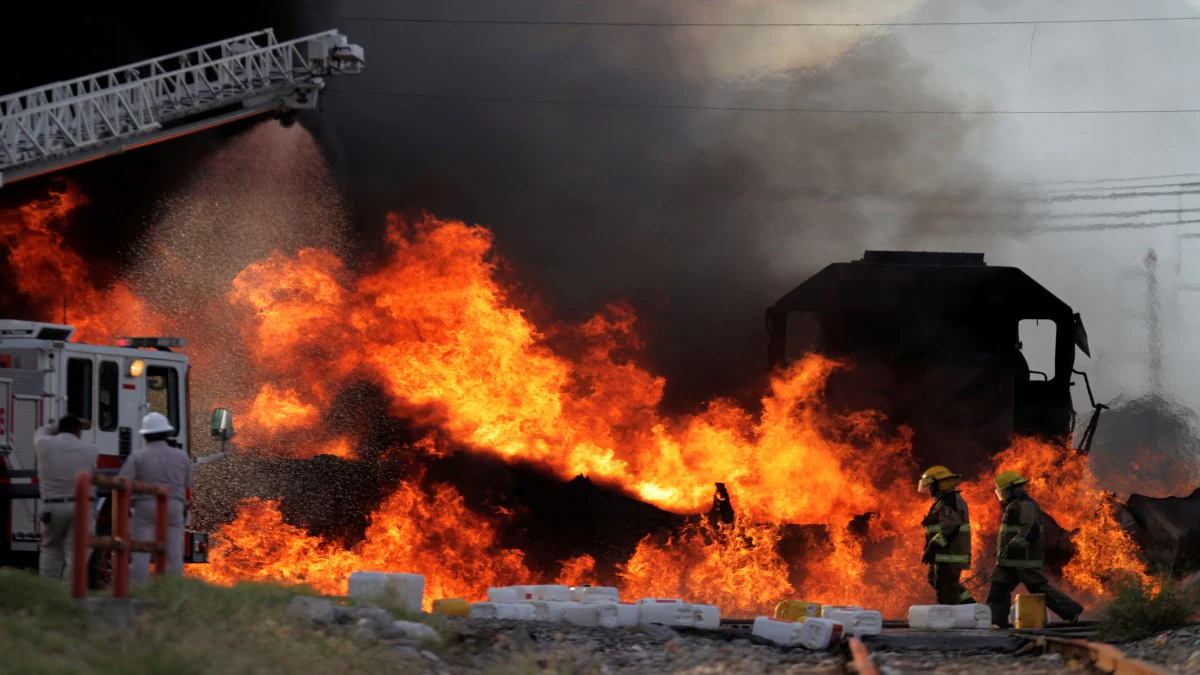
Fuel tanker hits truck in Nigeria, In a tragic incident that underscores the perils of Nigeria’s roadways, resulting in a catastrophic explosion that claimed the lives of at least 48 people. This devastating accident occurred in the Agaie area of north-central Niger State, highlighting the grave issues surrounding road safety and the transportation of hazardous materials in Nigeria.
The Devastating Collision: Fuel Tanker Hits Truck in Nigeria
The horrific accident took place when a Fuel tanker hits truck in Nigeria, which was also transporting cattle, collided head-on with another truck. The impact of the collision led to a massive explosion that engulfed both vehicles in flames.
According to Abdullahi Baba-Arab, the director-general of the Niger State Emergency Management Agency, at least 50 cattle were burned alive in the inferno. The collision resulted in an initial discovery of 30 bodies, with an additional 18 victims later confirmed to have died from the explosion. The bodies of the deceased have been given a mass burial.
The fuel tanker hits truck in Nigeria is not an isolated incident but a reflection of broader issues within the country’s transportation system. The lack of a robust railway network means that heavy cargo, including fuel, often travels by road, increasing the risk of such catastrophic accidents.
The tragic event in Agaie brings to light the urgent need for improved road safety measures and more stringent regulations regarding the transportation of hazardous materials.
Read : iPhone 16: Apple’s AI-Powered Revolution – Everything You Need to Know
Read : Prices of iPhone 16 Across Different Countries
Causes and Consequences of Road Accidents
In Nigeria, fatal truck accidents are all too common, often exacerbated by factors such as reckless driving, poor road conditions, and poorly maintained vehicles. The collision between the fuel tanker and the truck is a stark reminder of these persistent issues.
According to Nigeria’s Federal Road Safety Corps, in 2020 alone, there were 1,531 petrol tanker crashes, resulting in 535 fatalities and 1,142 injuries. These statistics underscore the critical need for comprehensive reforms in road safety and vehicle maintenance.
The recent increase in fuel prices by the Nigerian National Petroleum Company (NNPC) Ltd has further strained the situation. With a 39 percent hike in petrol prices, the shortage of fuel has forced motorists to queue for hours in major cities and towns. This scarcity contributes to increased pressure on road transport, which, coupled with the current road safety issues, heightens the risk of accidents involving fuel tankers.
Government and Public Response
In response to the tragic accident, Mohammed Bago, the governor of Niger State, has urged residents to remain calm and adhere to road traffic regulations. The governor’s call for caution emphasizes the need for road users to be more vigilant and for authorities to enforce stricter safety standards.
The absence of efficient railways forces a heavy reliance on road transport, making it imperative for the government to prioritize road safety improvements and ensure that vehicles, particularly those carrying hazardous materials like fuel tankers, are properly maintained and operated.
The incident serves as a sobering reminder of the urgent need for better infrastructure and safety measures in Nigeria’s transportation sector. Improving road conditions, enforcing rigorous vehicle maintenance standards, and enhancing emergency response capabilities are crucial steps toward preventing such tragedies in the future.
The collision where a fuel tanker hits truck in Nigeria and results in such significant loss of life and destruction is a stark reminder of the pressing need for road safety reforms. The tragedy in Agaie highlights the dangers associated with transporting hazardous materials on poorly maintained roads and the urgent need for comprehensive safety measures.
As Nigeria continues to grapple with issues related to transportation and fuel shortages, the government and public must work together to address these challenges and prevent further loss of life.