
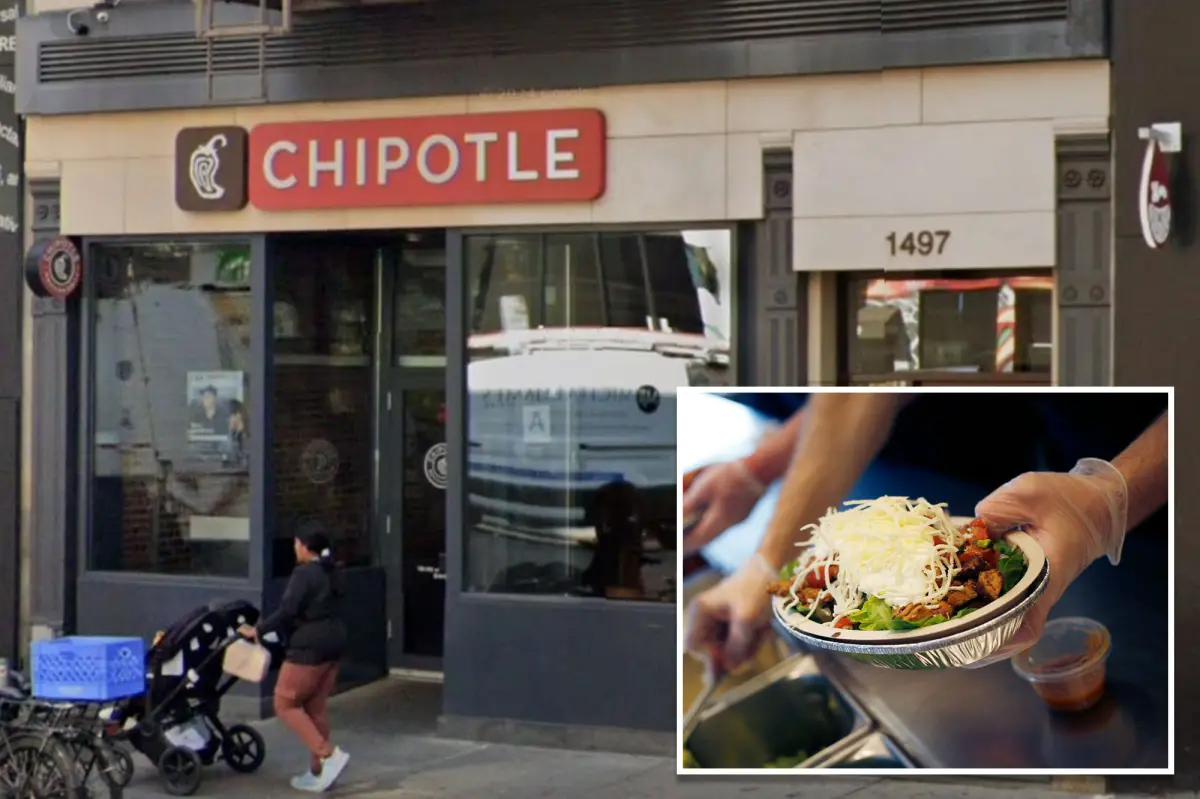
The lawsuit filed by 24-year-old New York City resident Gia Bernhardt has drawn national attention for both the disturbing nature of the allegations and the questions it raises about food safety and third-party delivery accountability. Bernhardt claims she suffered profound physical and psychological harm after allegedly biting into a partially cooked rodent hidden within a burrito bowl ordered from a Chipotle location on Manhattan’s Upper East Side through the DoorDash delivery app.
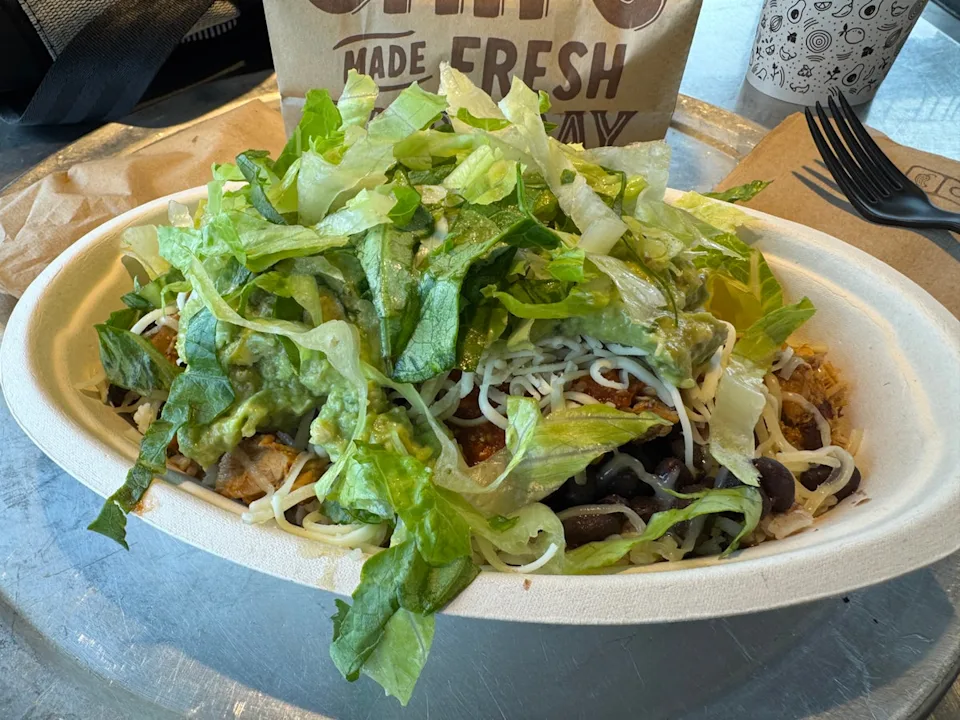
The detailed complaint, filed in New York County Supreme Court, outlines a sequence of events that the plaintiff says has left permanent effects on her health and well-being. As the case unfolds, it highlights broader concerns around restaurant oversight, delivery-chain responsibility, and the challenges facing large food-service brands that have experienced past issues related to vermin infestations. The incident at the center of the lawsuit allegedly occurred on January 11, when Bernhardt ordered a burrito bowl, chips, and guacamole via DoorDash from a Chipotle restaurant near her home.
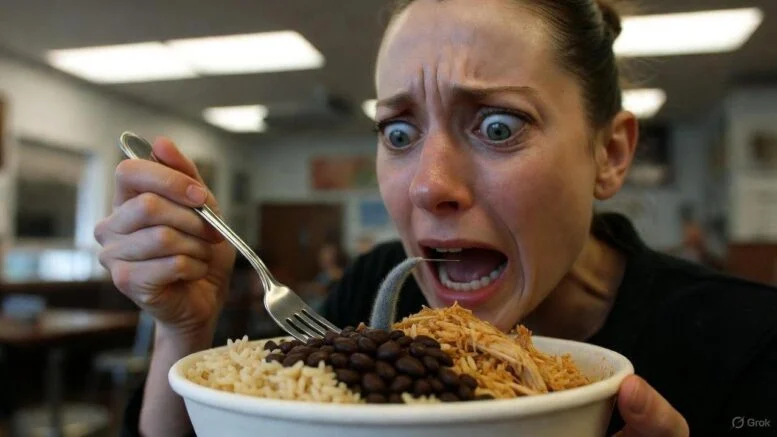
According to filings, she began eating her meal as usual before suddenly realizing she had bitten into what her attorneys say was a “partially cooked rodent” concealed among the ingredients. The complaint describes the moment in harrowing detail, asserting that the rodent was in her mouth after she took a bite and that she immediately began vomiting as the shock and trauma of what had happened set in. Her legal team argues that the event caused lasting mental anguish, severe emotional distress, and ongoing medical concerns that will require continued care.
Chipotle has denied the allegations outright, stating through its Chief Corporate Affairs and Food Safety Officer that the company intends to defend itself vigorously and that its food-safety protocols are among the most robust in the industry. DoorDash, also named as a defendant, has not yet commented publicly. Regardless of how the case proceeds, the lawsuit has reignited discussion about the safety and sanitary conditions of food prepared in high-volume urban restaurants, as well as the potential liability of delivery platforms and drivers when meals become unsafe or are handled improperly.
Allegations of Contamination and the Immediate Aftermath
According to Gia Bernhardt’s complaint, the dangerous contamination occurred before the burrito bowl left the Chipotle kitchen, and she maintains that she consumed the product exactly as a customer would be expected to. The court documents describe the moment of discovery as both shocking and physically overwhelming, detailing how she bit into the meal, sensed that something was wrong, and then quickly realized she had bitten into an animal rather than any of the standard ingredients in the dish.
Her attorney, Charles Gucciardo, stated that she could clearly identify the ears, nose, and tail of the creature after examining what she encountered inside her mouth, contradicting what she claims restaurant staff later suggested to her: that what she had received was merely chicken. Still reeling from the experience, Bernhardt reportedly went to the Chipotle location in person to speak with employees. The complaint alleges that staff dismissed her concerns or misidentified the object she brought to their attention.
Her lawyers assert that this response worsened her distress, particularly because she believed the evidence clearly showed the presence of a rodent rather than misprocessed chicken. The filings emphasize that the physical act of biting the animal, combined with the shock and subsequent vomiting, constituted severe bodily injury and created a risk of infection or other complications associated with consuming contaminated food. The lawsuit further states that Bernhardt has experienced ongoing medical, psychological, and functional difficulties since the event.
Read : Slam the Door: Understanding the Impact and How to Address It
The complaint notes that she has incurred and will continue to incur medical expenses, and that the trauma has prevented her from carrying out normal daily activities. Her attorneys describe the psychological toll as long-lasting, contending that the shock of interacting with a rodent in the very act of eating cannot easily be overcome and carries lasting mental consequences. They argue that the impact on her sense of safety around food, dining, and public spaces has been substantial and continues to affect her ability to function in ordinary ways.
Food Safety Concerns and Chipotle’s Response
Chipotle is no stranger to public controversies related to food safety and sanitation. Although the company has spent years attempting to rebuild its reputation after high-profile outbreaks and incidents earlier in its history, isolated events involving rodents have surfaced at individual locations across the country. The lawsuit references a number of prominent examples that reinforce Bernhardt’s claims about the potential for unsafe conditions within certain restaurants.
In 2020, an Upper Manhattan Chipotle drew attention after employees reported that large rats had infiltrated the location, damaging equipment, eating ingredients, and even biting staff members. Workers described using improvised methods to kill the rodents and eventually shut down the store due to infestation concerns. Other incidents have been documented as well, including a Dallas location where customers filmed mice crawling on floors and even scaling walls, and a New Haven store that temporarily closed in 2023 due to rodent-control issues blamed on the property’s landlord. These cases, while not necessarily representative of the company’s overall operations, have contributed to public awareness of the challenges food-service businesses face in densely populated urban environments where pests can be difficult to eradicate.
In response to Bernhardt’s allegations, Chipotle issued a firm denial. The company maintains that its health and safety standards are industry-leading and that it takes every measure to ensure clean and sanitary food preparation. Chipotle’s corporate leadership expressed confidence in its ability to defend against the claims, insisting that it prioritizes the safety of customers and employees. However, food-safety experts note that large chains with thousands of locations are inherently vulnerable to occasional lapses or incidents, particularly in older buildings or heavily trafficked neighborhoods.
Bernhardt’s lawsuit asserts that Chipotle “knew or should have known” about the dangers associated with its food preparation and storage practices and that the company had a duty to warn consumers of potential risks. Her attorneys argue that Chipotle failed in this responsibility and that the presence of a rodent in a meal constitutes an “extreme and outrageous” breach of its obligation to provide safe, edible products. Whether the court will accept these claims depends on evidence gathered during the litigation, including kitchen records, pest-control documentation, and supply-chain information.
DoorDash’s Role and the Broader Delivery-Chain Debate
The complaint also names DoorDash and the unidentified delivery driver as co-defendants, arguing that they share responsibility for the unsafe condition of the product. According to the lawsuit, the dasher “improperly and negligently” delivered the food in an unsanitary manner, though the documents do not specify exactly how this occurred or whether the contamination is alleged to have happened during transit. Bernhardt’s attorneys maintain that because the meal passed through the hands of multiple entities before reaching the customer, each bears some accountability for ensuring that it remained safe and intact.
DoorDash has become a dominant force in food delivery, especially in major cities where customers increasingly rely on app-based services. With that growth, however, has come heightened scrutiny over the company’s quality-control systems, driver training, and logistical practices.
Because delivery apps typically position themselves as intermediaries between restaurants and customers, their legal liability in cases like Bernhardt’s is a subject of ongoing debate. In many lawsuits, restaurants have argued that delivery platforms are responsible for maintaining proper handling of orders once they leave the kitchen. Conversely, delivery companies often claim limited responsibility, asserting that their role is simply to transport sealed packaging provided by restaurants.
The inclusion of the driver as “John Doe” reflects a common practice in early legal filings when a plaintiff has not yet identified all involved parties. As the lawsuit progresses, further details about the delivery portion of the transaction may emerge, including whether the packaging was sealed, tampered with, or otherwise compromised during transportation. If the rodent was present prior to packaging, DoorDash may attempt to distance itself from liability, arguing that it had no role in the contamination. If, however, evidence suggests a breach in handling or sanitation after pickup, the company could face additional scrutiny.
More broadly, the case underscores the challenges consumers face when multiple corporate actors are involved in a single food-service transaction. As delivery apps continue to dominate the market, questions about shared responsibility among restaurants, contractors, and platforms remain at the forefront of legal and regulatory discussions.
Bernhardt seeks both compensatory and punitive damages, claiming significant physical, psychological, and financial harm. Her attorneys argue that punitive damages are justified due to what they describe as extreme misconduct in serving food containing a rodent. The court will ultimately determine whether that level of fault can be assigned based on available evidence, medical records, and expert testimony. With Chipotle’s firm denial and DoorDash’s silence to date, the litigation is likely to involve extensive investigation and potentially lengthy proceedings.
The case has already reignited public concern about food safety in major restaurant chains and the safeguards in place within high-demand delivery platforms. While the facts will be evaluated in court, the allegations alone highlight the anxieties customers face in a complex, mass-production food environment. As the legal process continues, the incident serves as a stark reminder of the vulnerabilities inherent in modern food supply systems and the importance of rigorous standards across every stage of food preparation and delivery.
AAABET77, not gonna lie, it’s pretty slick. The interface is clean and they’ve got a good range of games. Had a few wins here so I’m happy! aaabet77
**mitolyn official**
Mitolyn is a carefully developed, plant-based formula created to help support metabolic efficiency and encourage healthy, lasting weight management.