
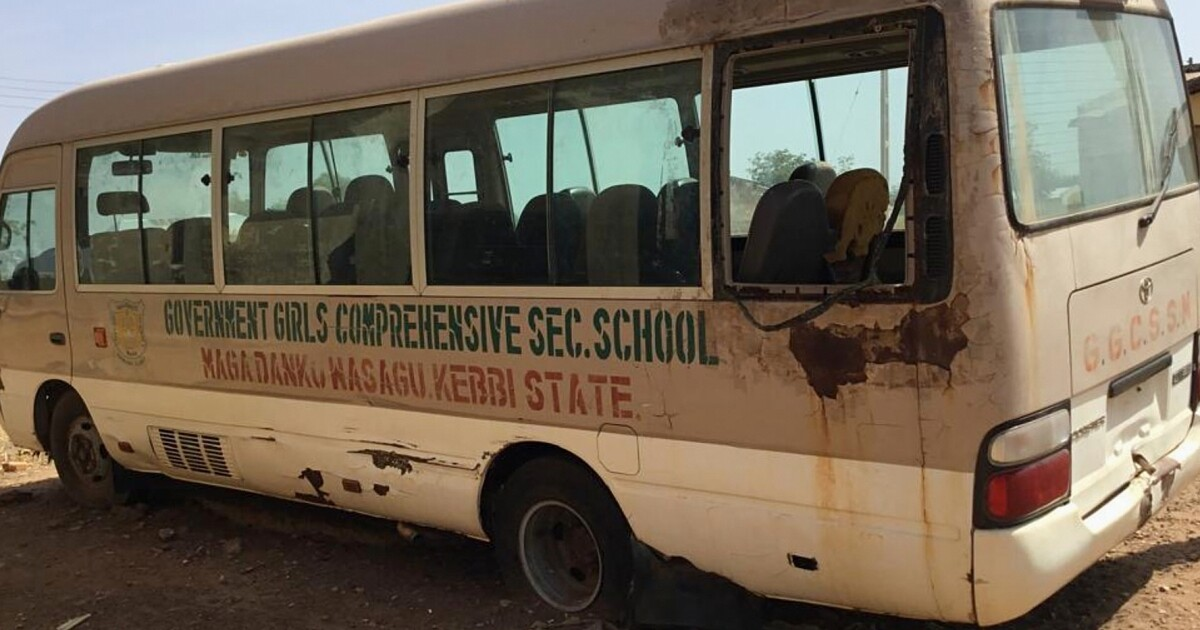
In the early hours of Monday morning, a violent attack on a girls’ boarding school in northwestern Nigeria once again exposed the country’s deepening security crisis. The incident, which occurred around 4 am local time at the Government Girls Comprehensive Secondary School in Maga town, resulted in the kidnapping of at least 25 female students and the death of the school’s vice principal. It is the latest in a long pattern of mass abductions carried out by heavily armed groups who operate with increasing boldness and sophistication in rural regions of northern Nigeria.
The attack has renewed fears among communities, human rights groups, and international observers who warn that students in remote areas remain dangerously vulnerable despite repeated government assurances of improved security. With armed gangs regularly targeting school compounds, the challenges facing Nigerian authorities have grown more urgent, highlighting an ongoing struggle to protect young learners in regions plagued by lawlessness and insurgency.
The Attack on the Maga School
The armed assault on the Government Girls Comprehensive Secondary School unfolded with precision and speed, according to police officials who spoke following the incident. Witnesses reported that a group of gunmen armed with rifles stormed the school compound shortly before dawn, taking advantage of the early morning hours when most residents were still asleep.
Police spokesperson Nafiu Abubakar Kotarkoshi explained that the attackers engaged in an exchange of gunfire with security personnel stationed near the school grounds, using coordinated tactics that allowed them to breach the perimeter fence despite resistance. Their actions suggested preparation, familiarity with the terrain, and the intention to extract as many captives as possible before authorities could mount a response.
In a tragic turn, the school’s Vice Principal, Hassan Yakubu Makuku, was shot and killed while attempting to confront the intruders. Authorities described him as having acted courageously in trying to protect his students, a decision that cost him his life. Another staff member sustained gunshot wounds and was rushed to a nearby hospital, where he is reportedly receiving treatment.
Following the exchange of gunfire, the attackers forced the students from their dormitories, gathered them into groups, and escaped through the surrounding forested areas that stretch across large swathes of the region. These landscapes often provide cover for criminal gangs, enabling them to move swiftly and evade security forces. Police have confirmed that a major search-and-rescue operation is underway, with tactical units, military personnel, and community vigilante groups deployed to track the kidnappers’ movements.
According to Yahuza Getso, security intelligence, and investigation expert@NigeriaGov allowed kidnap of the 25 school girls to happen because he warned the govt about it but they did nothing about it @real_IpobDOS @au @un @antonioguterres @eu @hrw
— IPOB GHANA OFFICIAL PAGE💪🐉 (@GhIpob) November 19, 2025
pic.twitter.com/q0tZM9mOpI
The combined forces are combing forests and potential escape routes known to be used by armed gangs in previous attacks. Authorities have stated that all available resources are being mobilized to ensure the safe return of the abducted students, although rescue operations of this nature often encounter significant logistical and security challenges in remote regions.
Recurring Patterns of Abductions in Northern Nigeria
Mass kidnappings from educational institutions have become a persistent threat in northern Nigeria, where armed gangs known locally as “bandits” continue to target schools as part of a lucrative kidnapping-for-ransom economy. The latest attack reflects patterns observed in previous incidents: heavily armed groups attacking in the early morning or at night, breaching school facilities, abducting large numbers of students, and escaping into dense forests. These gangs typically operate with high mobility, often using motorcycles and navigating terrain that is difficult for government forces to monitor consistently.
In recent years, Nigeria has witnessed a surge in the number of students abducted from secondary schools and colleges. According to available reports, more than 100 children—many of them aged 12 or younger—were kidnapped by gunmen in 2024 alone. The motivations behind these abductions vary, but in most cases, kidnappers demand ransom payments from families or local authorities, generating significant revenue that fuels further criminal activity.
Read : TikTok Influencer Mariame Cissé Abducted and Publicly Executed by Armed Men in Mali
Communities in the northwest and central regions of the country have been particularly affected, as these areas experience limited security presence, poor infrastructure, and vast rural spaces that allow armed groups to operate with relative impunity. The Maga school attack has drawn immediate comparisons to one of Nigeria’s most infamous mass kidnappings: the 2014 abduction of more than 200 schoolgirls from Chibok, an event that prompted global outrage and the widespread #BringBackOurGirls campaign.
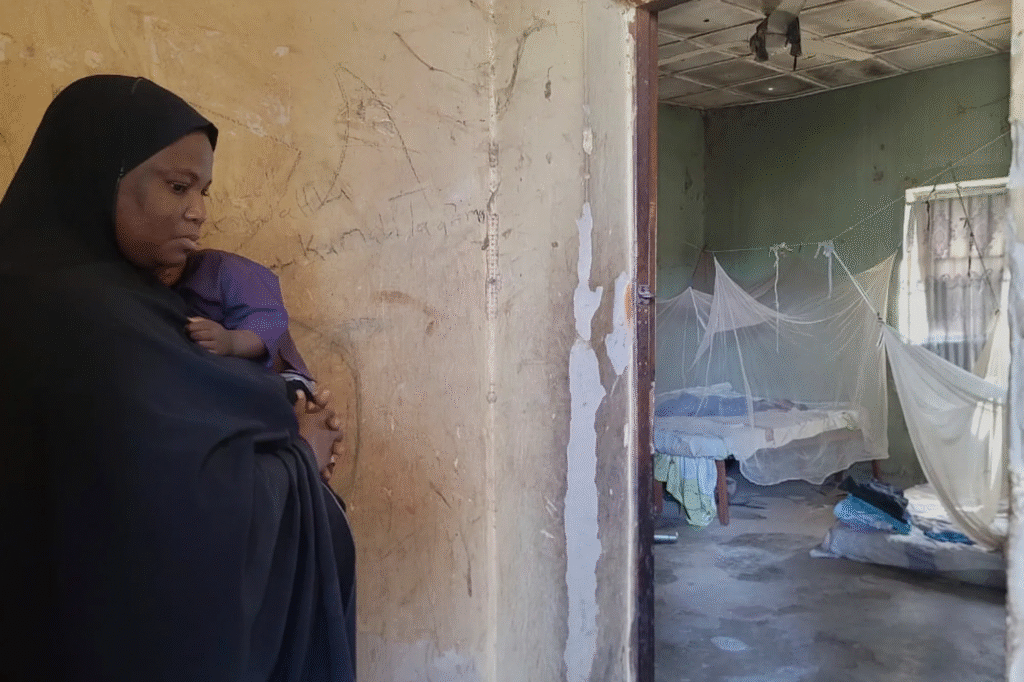
While the Chibok kidnapping was carried out by Boko Haram insurgents—an extremist group with ideological motivations—many recent school attacks are perpetrated by criminal gangs seeking financial gain rather than political or religious influence. Despite this distinction, both phenomena have produced widespread fear and disrupted education for thousands of children who face the constant risk of violence.
Parents in the affected regions often send their children to school with a sense of uncertainty, fearing that they may not return. Some communities have pressured local authorities to close schools temporarily during periods of heightened insecurity, while others have resorted to relocating children to more secure urban areas when possible.
Nigeria’s federal and state governments have repeatedly pledged to improve security around school facilities, yet the frequency and scale of attacks suggest that the challenge remains far from resolved. Security experts argue that the combination of weak policing, understaffed military units, and corruption within certain security sectors continues to undermine law enforcement efforts.
Human rights organizations have also criticized government responses to the crisis. Amnesty International, for example, recently accused the Nigerian army of detaining women and girls who had escaped from Boko Haram captivity, alleging that the military suspected some escapees of aiding extremist groups. Although the army has denied these allegations, such claims add to concerns about the treatment of vulnerable civilian populations who have already suffered from kidnapping, displacement, and trauma.
A Growing Security Crisis and Its Impact on Communities
The kidnapping of 25 students in Maga underscores the severity of the security challenges facing Africa’s most populous country. Rural communities in northern Nigeria have found themselves caught between criminal gangs, insurgent groups, and militias that continue to operate despite increased government expenditures on security. The cycle of violence, ransom payments, and retaliation has created an environment of fear, forcing many families to reassess the risks associated with sending their children to school.
Read : Lion Jumps Off Moving Relocation Truck in South Africa: Watch
The psychological toll on affected students and parents is significant. Survivors of previous abductions often recount harrowing experiences of being marched through forests, deprived of food and water, and threatened with violence. For the parents of kidnapped children, the uncertainty surrounding rescue operations can be emotionally devastating, compounded by concerns about the safety and well-being of their daughters in captivity. Schools, which are meant to be safe spaces for learning and development, have increasingly become sites of vulnerability, undermining the fundamental right to education.
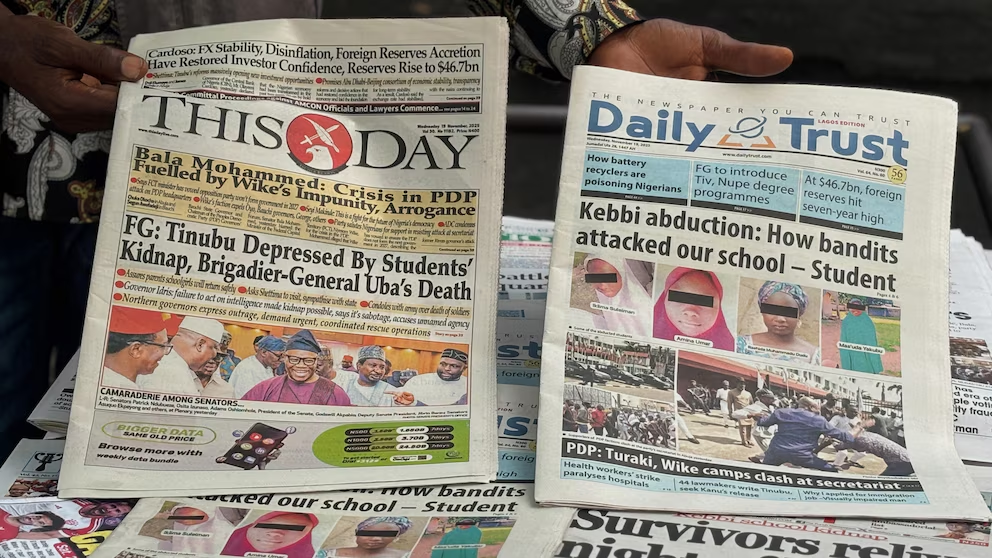
Additionally, the economic impact of repeated school closures and security concerns affects both households and local governments. When schools are targeted, communities lose not only access to education but also access to stability and social structures that play a critical role in child development. Teachers and school administrators face constant danger, discouraging many from working in high-risk areas.
The death of Vice Principal Hassan Yakubu Makuku illustrates the personal risks educators face in these conflict zones. His death serves as a solemn reminder of the human cost of insecurity and the need for stronger protective measures for educational staff. As international condemnation grows, global organizations and foreign governments continue to call upon Nigeria to strengthen its law enforcement capabilities and expand protections for school facilities.
Some countries and agencies have offered technical support, training programs, and intelligence-sharing initiatives aimed at bolstering counter-kidnapping efforts. Yet, experts note that sustainable improvements require long-term investment in governance, rural development, community engagement, and economic opportunities that reduce the appeal of criminal activity among young men drawn into armed gangs.
Within Nigeria, the debate over solutions remains ongoing. Some regional leaders advocate for negotiations with bandit groups, while others insist that only military force can dismantle the networks responsible for kidnappings. The involvement of local vigilante groups, though sometimes effective in tracking kidnappers, raises additional concerns about the proliferation of armed actors and the potential for human rights violations. Without a coordinated and consistent national strategy, attempts to address the crisis may continue to fall short, leaving students and communities in peril.
The latest kidnapping highlights not only the immediate dangers faced by schoolchildren but also the broader implications for Nigeria’s social and economic trajectory. Education is a central pillar of development, and continued attacks threaten to undermine years of progress in girls’ schooling, literacy rates, and gender equality. As Nigeria confronts these challenges, the fate of the abducted girls in Maga remains uncertain, and communities across the region anxiously await updates from security forces engaged in the rescue operation.
Risk management is key in any online gaming, and platforms like fc777 ph seem to prioritize security – crucial for responsible play. Seeing localized options & strong verification (like they detail) builds trust. It’s about enjoying the experience smartly!