
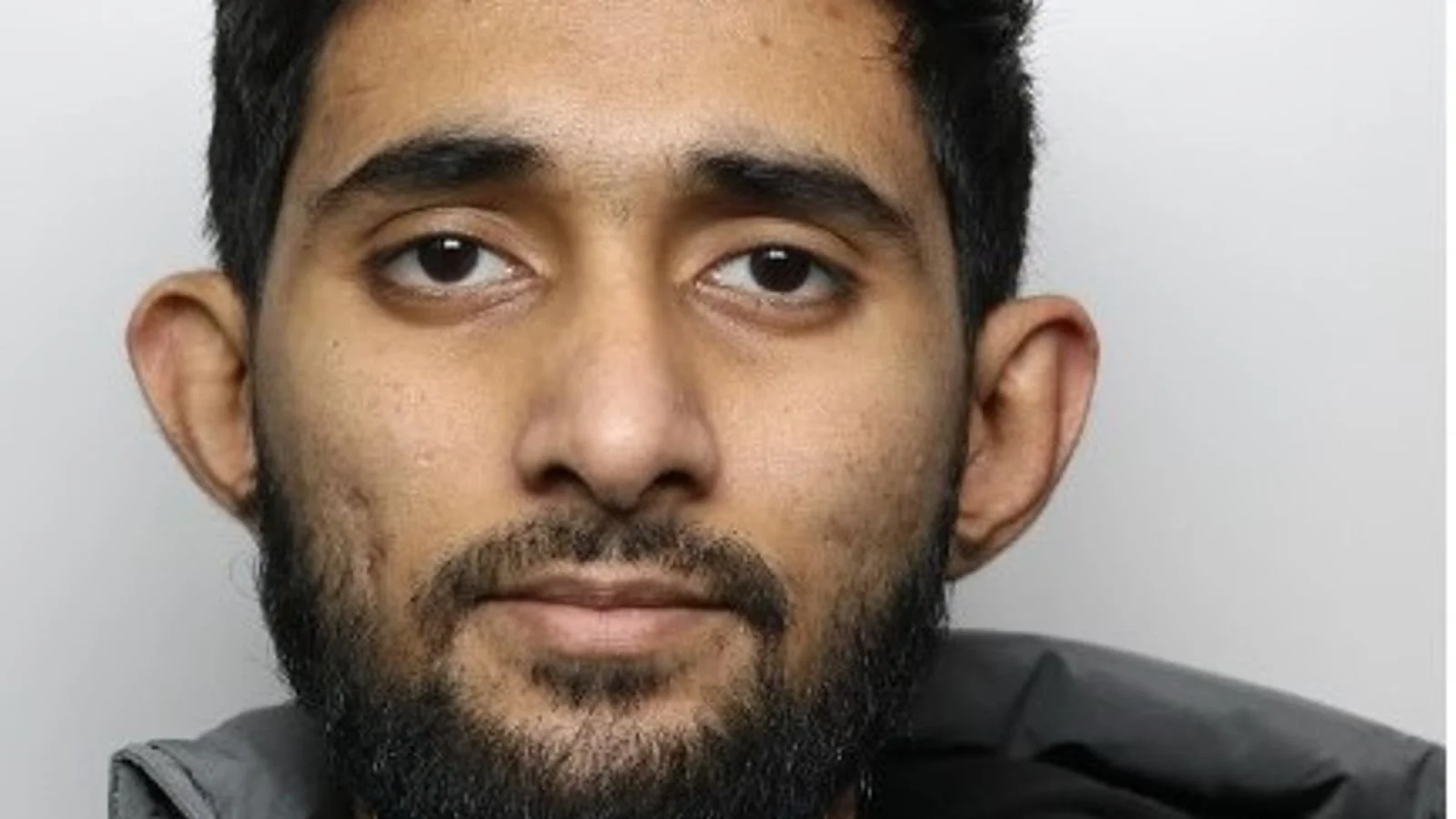
The heart-wrenching story of Kulsuma Akter’s violent death while pushing her baby in a pram through Bradford’s city centre has sent shockwaves across communities in the UK and abroad. The 27-year-old mother, originally from Bangladesh, was fatally stabbed on 6 April 2023 in broad daylight — an act that has been described as both brutal and cowardly. The person accused of her murder is none other than her husband, Habibur Masum, a 26-year-old man from Burnley.
Appearing at Bradford Crown Court, Habibur Masum pleaded guilty to manslaughter and possession of a bladed article, but notably denied murdering his wife. As the case now proceeds toward a murder trial, more chilling details of the alleged stalking, threats, and previous abusive behaviour are emerging.
This case not only underscores the personal tragedy of one woman’s death but also raises significant questions about domestic violence, protection of vulnerable women, and how justice systems respond to threats before they escalate into fatal incidents.
A Calculated Act of Violence in Public View
It was around 3:20 p.m. on a seemingly ordinary spring afternoon when the horror unfolded in Westgate, Bradford. Witnesses reported seeing a young woman pushing a baby in a pram when she was suddenly attacked and stabbed several times. The attack took place near the junction with Drewton Road, a busy part of the city centre that saw stunned pedestrians rush to help. The baby, thankfully, was unharmed, but the mother was rushed to the hospital where she tragically died.
Read : Meghna Alam Jailed in Bangladesh for Allegedly Threatening Diplomatic Ties
The perpetrator, later identified as Habibur Masum, fled the scene, sparking a three-day nationwide manhunt by West Yorkshire Police. He was eventually arrested in Aylesbury, a town located nearly 170 miles away. The scale of the search and the urgency of the arrest highlighted the severity of the crime and the potential danger posed by Masum.
Read : Exploring the Top Source Countries for International Students in India
At the time of his arrest, Habibur Masum was found in possession of a weapon, leading to the additional charge of possessing a bladed article. His appearance in court marked the beginning of a judicial process that continues to unfold. The impact of this act, however, was immediate and far-reaching. Public outrage surged, with calls for stronger protections for women and more aggressive intervention in cases involving stalking and domestic abuse.
Allegations of Stalking and Threats Before the Fatal Attack
The current trial proceedings have revealed that the fatal stabbing was not a spontaneous act of rage but allegedly followed months of stalking, harassment, and psychological intimidation. According to prosecutors, Habibur Masum stalked Kulsuma Akter between November 2022 and April 2023. The charge sheet details how he tracked her movements and even located her at a safe house where she had been living temporarily, presumably for her protection.

The court heard that Masum had sent her threatening and menacing messages, including photos and videos of the area where she had been residing. His actions caused severe emotional distress and fear for her safety. He is also alleged to have loitered in the area of her temporary residence, further intensifying the trauma and insecurity she must have felt.
Alongside the stalking charge, Masum faces additional accusations including two counts of assault and one of making threats to kill. The events from November 2022 are of particular interest, as they allegedly form the background against which his violent tendencies escalated.
These chilling details highlight a pattern of coercive and controlling behaviour — a red flag that sadly went unheeded until it culminated in a fatal act. They also point to a systemic issue where vulnerable women, even those living in supposed safe houses, are not adequately shielded from men determined to assert control over them. While the case continues to proceed, these revelations make it clear that Kulsuma Akter lived in fear long before her final moments on that street in Bradford.
A Devastated Family and a Community in Mourning
The pain caused by the loss of Kulsuma Akter is not confined to the courtroom or even the streets of Bradford. Thousands of miles away in Bangladesh, her family is grieving a daughter who had journeyed abroad in search of a better life. Her mother, Monwara Begum, gave an emotional statement from her home, describing the unbreakable bond she shared with her youngest daughter.
“I am in shock. She was my youngest daughter and I adored her greatly,” she said. “When she moved to the United Kingdom I was alone, but Kulsuma would call me every day by video. The only day I didn’t hear from her was the day she was attacked.”
Those words offer a devastating glimpse into the ripple effect of the crime. A mother who had already endured the loneliness of separation now lives with the irreplaceable loss of her daughter. For the baby — who was present during the attack but physically unharmed — the consequences are even more profound. That child has not only lost a mother but will also grow up with the shadow of this horrific incident hanging over their life.

The community in Bradford has also expressed its grief and anger. Candlelight vigils were held to honour Kulsuma’s memory. Women’s rights groups, especially those working with South Asian communities, have voiced their concerns about the inadequacies in the system that failed to protect her. Questions are being raised about the effectiveness of restraining orders, safe houses, and the ability of police to act on stalking complaints before they become fatal.
Kulsuma’s case is yet another grim reminder that domestic violence can escalate dramatically when ignored or poorly managed. Although the legal proceedings will determine Habibur Masum’s culpability for murder, the emotional and social consequences of his admitted actions are already evident.
As the case against Habibur Masum proceeds, more painful truths are likely to come to light. Whether he is found guilty of murder or manslaughter, the fact remains that a young mother is dead, a child is orphaned, and a family is shattered. The crime, committed in public and in broad daylight, represents the tragic culmination of a cycle of abuse that appeared to have been overlooked or inadequately addressed.
The legal outcome will offer some form of justice, but for many, it will never be enough to fill the void left by Kulsuma Akter. Her story has sparked a deeper conversation about domestic violence, especially among immigrant and minority communities where language barriers and cultural norms often make it harder for women to seek help.
It is vital that this case becomes a turning point, prompting reforms in how authorities respond to stalking, threats, and domestic abuse. No woman should live in fear, and certainly no mother should die pushing her baby in a pram through the heart of her community.