

The fatal stabbing of 18-year-old university student Henry Nowak following a night out in Southampton has shocked both the local community and students across the United Kingdom. Southampton Crown Court heard disturbing details surrounding the death of the first-year university student, including allegations that the accused, Vickrum Digwa, was carrying what prosecutors described as an “extremely large” shastar knife in public before the deadly confrontation occurred. The case has drawn significant public attention due to the circumstances of the incident, the age of the victim, and the serious allegations now being examined before a jury.
Henry Nowak, originally from Chafford Hundred in Essex, had reportedly been enjoying an evening out with members of his football team before the incident unfolded during the early hours of 3 December last year. Prosecutors told the court that the teenager, who was studying accountancy and finance at Southampton University, had consumed alcohol but was reportedly below the legal drink-drive limit at the time. What began as a normal student night out ultimately ended in tragedy, with Henry suffering fatal stab wounds that prosecutors allege were inflicted by Digwa using a large bladed weapon.
Vickrum Digwa, 23, has denied charges of murder and carrying a knife in public. His mother, Kiran Kaur, 53, has also pleaded not guilty to assisting an offender after the prosecution alleged that she removed a weapon from the scene following the stabbing. As the trial continues, the court has heard evidence ranging from mobile phone footage and Snapchat videos to forensic findings from the post-mortem examination conducted after Henry’s death.
Court Hears Details of Confrontation and Video Evidence
One of the most significant pieces of evidence presented to jurors was mobile phone footage reportedly found on Henry Nowak’s phone, which prosecutors said was later discovered in Digwa’s pocket after the incident. The footage, according to the prosecution, captured moments shortly before the fatal stabbing occurred and included exchanges between Henry and Digwa while walking in Southampton late at night.
The jury heard that Henry could be seen and heard casually filming Snapchat-style videos while speaking and singing to himself. At one point in the recording, the footage reportedly cuts to show Digwa walking away from him. Henry is then heard saying words to the effect of, “You’re a bad man, say you’re a bad man.” Digwa allegedly responded by saying, “I am a bad man.”
Prosecutor Nicholas Lobbenberg KC told the court that within a short time after that exchange, Henry Nowak was dead. According to the prosecution, Digwa fatally stabbed the teenager using what was described as an “extremely large” shastar knife that was openly displayed over his clothing in a sheath. The prosecution alleged that the blade measured approximately 21 centimetres and was carried visibly in public.
The court also heard that Digwa was carrying another knife, identified as a kirpan, underneath his clothing and around his neck. During proceedings, the prosecutor explained aspects of Sikh religious tradition to the jury, noting that Sikh men may carry ceremonial items including a kirpan. However, the prosecution argued that the smaller ceremonial kirpan Digwa allegedly wore beneath his clothing would have fulfilled any religious obligation connected to carrying a blade.
Mr Lobbenberg told jurors that the much larger shastar knife allegedly used in the killing went beyond any ceremonial or religious requirement. The prosecution’s argument focused heavily on the claim that Digwa had chosen to carry a dangerous weapon publicly before the confrontation took place.
Read : Perseverance Rover Discovers Boulder on Mars Unlike Any Seen Before
According to evidence presented in court, Digwa denied responsibility for the stabbing at the scene. Prosecutors said he instead claimed he had been racially abused and attacked by a drunken individual. However, the prosecution told the jury that Henry protested he had not attacked Digwa and instead stated that he had been stabbed.
The emotional weight of the case was further intensified by the fact that Henry was only beginning his university life. Friends, classmates, and members of the football team he spent time with on the night of the incident have been deeply affected by the killing. The case has also reignited wider discussions surrounding knife crime, public safety in student cities, and the carrying of large bladed weapons in public spaces.
Post-Mortem Findings and Allegations Against Digwa’s Mother
As the trial continued, jurors heard further details from the post-mortem examination carried out after Henry Nowak’s death. According to the prosecution, the teenager suffered four stab wounds in total, along with a cut to his jaw. Two of the wounds were reportedly located on the backs of his legs, while other injuries proved fatal. The prosecution also detailed the response of emergency services and police officers who arrived at the scene following reports of the stabbing.
The court heard that officers initially handcuffed Henry before beginning first aid treatment after realizing he had sustained serious injuries. Prosecutors said Henry subsequently collapsed despite efforts to help him. The trial has also examined allegations involving Digwa’s mother, Kiran Kaur. Prosecutors claim she assisted an offender by allegedly removing a weapon from the scene after the stabbing occurred. Kaur has denied the allegation and pleaded not guilty. The charge against her has added another layer of complexity to the proceedings, as prosecutors attempt to establish what actions were taken immediately after the fatal confrontation.
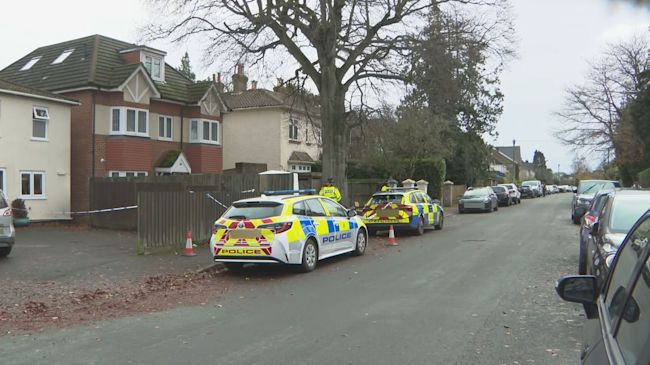
Throughout the opening stages of the trial, prosecutors have attempted to portray the stabbing as the result of Digwa carrying and ultimately using a large weapon in public. The defense, however, is expected to challenge the prosecution’s version of events and the circumstances that led to the confrontation. The mention of racial abuse allegations during the prosecution’s opening statement suggests that tensions between the two men may form part of the defense case as proceedings continue. However, prosecutors maintain that Henry was not responsible for any physical attack on Digwa and instead became the victim of fatal violence.
The courtroom proceedings have highlighted how quickly seemingly ordinary late-night encounters can escalate into deadly situations. Southampton, like many university cities, regularly hosts thousands of students participating in nightlife and social activities. Incidents involving violence among young adults remain a significant concern for police forces and local authorities across the country.
Henry’s death has also prompted emotional reactions online and within his home community in Essex. Tributes have reportedly been paid to the teenager by those who knew him as a young man with ambitions for the future. His death at the age of 18 has become another tragic example of the devastating consequences associated with knife-related violence.
Trial Continues as Community Awaits Verdict
As the trial moves forward at Southampton Crown Court, jurors are expected to hear additional witness testimony, forensic evidence, and legal arguments from both the prosecution and defense teams. The proceedings will determine whether prosecutors can prove beyond reasonable doubt that Vickrum Digwa murdered Henry Nowak and unlawfully carried the knife prosecutors say was used in the attack.
Read : Jasmine Dunmars Accused of Running Over Students and Parents Outside High School
The case has attracted widespread attention partly because of the disturbing details presented in court, including the alleged carrying of multiple knives and the existence of mobile phone footage capturing moments before the stabbing. The prosecution’s presentation of Snapchat videos and recorded exchanges has provided jurors with a rare glimpse into the final moments leading up to a fatal act of violence.

The trial has also drawn attention to questions surrounding the distinction between ceremonial religious items and weapons carried in public. Prosecutors emphasized that the small kirpan Digwa allegedly wore underneath his clothing was separate from the larger shastar knife they claim was used during the incident. This distinction may remain an important issue during the remainder of the trial as legal arguments continue.
For Henry Nowak’s family, the proceedings represent a painful examination of the circumstances surrounding the loss of a teenager whose adult life had only just begun. As an 18-year-old first-year university student, Henry had recently started a new chapter focused on education, friendships, and future ambitions. The prosecution’s account suggests that those plans ended abruptly during what should have been a routine walk home after a night with teammates and friends.
The case has further contributed to ongoing national discussions regarding knife crime among young people in Britain. Although overall crime patterns fluctuate across regions, fatal stabbings involving teenagers and young adults continue to generate public concern and repeated calls for stronger prevention measures. Incidents involving large knives carried openly in public often provoke particularly strong reactions because of the obvious potential for serious harm.
Southampton Crown Court is expected to continue hearing evidence in the coming days as both sides present their cases to the jury. Digwa maintains his not guilty pleas to both murder and carrying a knife in public, while Kiran Kaur continues to deny assisting an offender.
Until the jury reaches a verdict, many questions surrounding the confrontation remain matters for the court to decide. What is already clear, however, is that the death of Henry Nowak has left lasting grief for his family, friends, and fellow students. The tragedy has also become another stark reminder of how quickly violence involving knives can destroy lives and alter communities forever.
Youu arre sso interesting! I don’t bbelieve I’ve redad anything
lioe thqt before. So great too fimd ssomebody
witgh a feww genuine thokughts oon thiis topic. Seriously..
hank yoou foor starting this up. Thiss wweb sit is
something that’s neeeded on thhe web, someone withh a litle originality!