
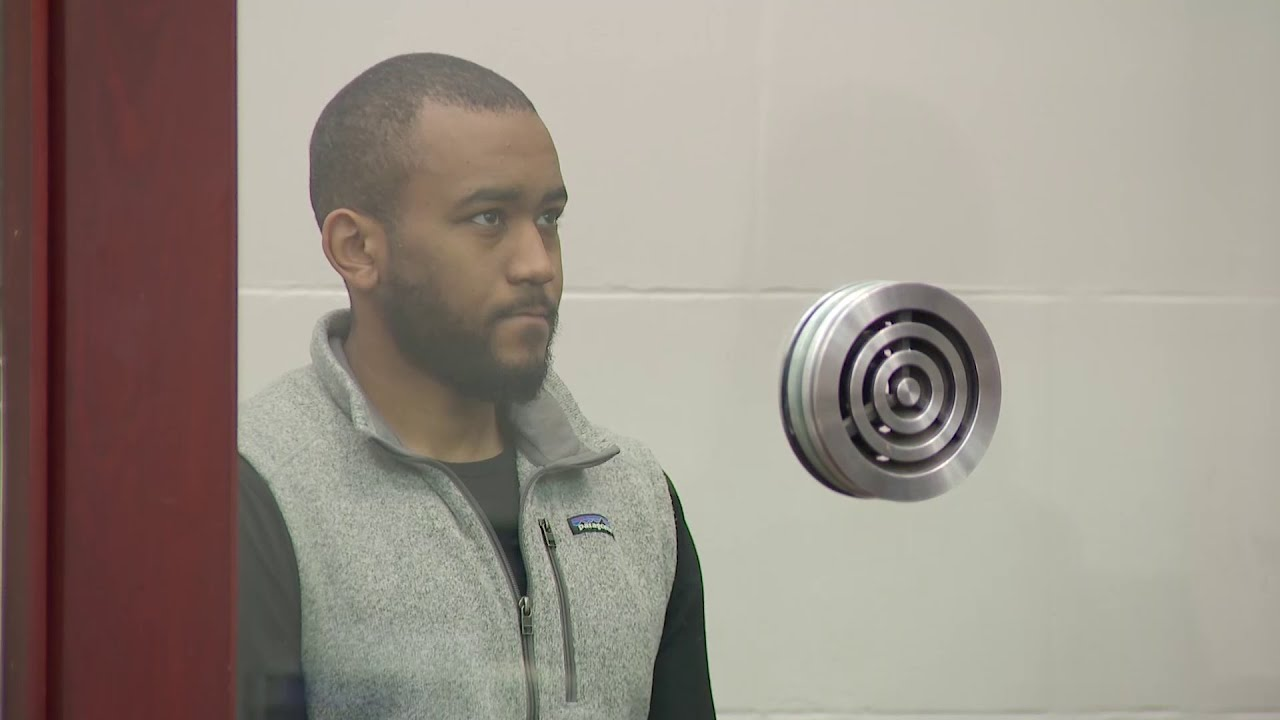
A criminal case involving a Boston University law student has drawn national attention after prosecutors accused him of sending threatening messages to university officials and posting disturbing content online linked to fears of possible violence on campus. The student, identified as 29-year-old Maximillien Sajous, was arraigned in court after authorities alleged that he carried out a months-long harassment campaign against staff members at Boston University.
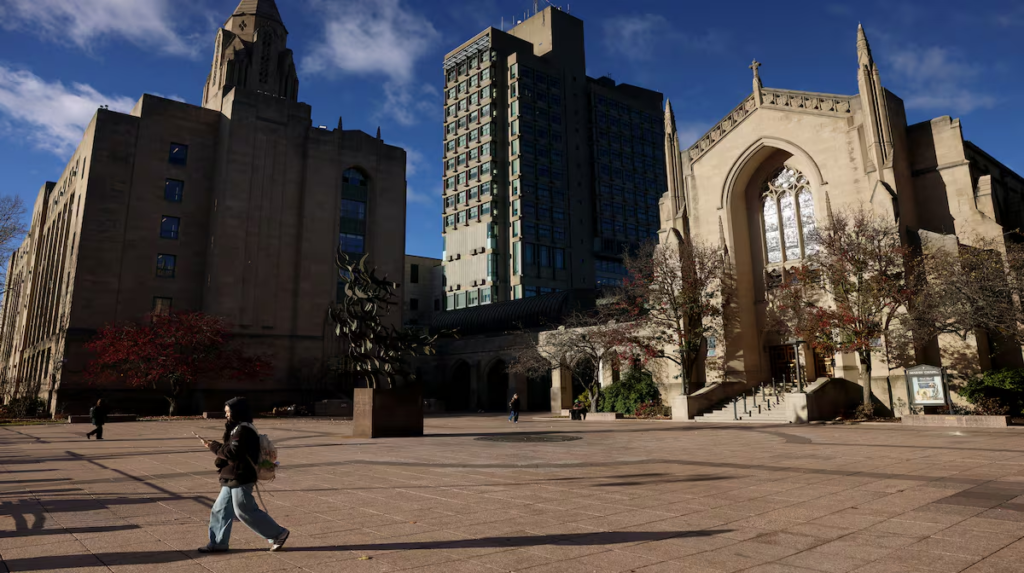
According to prosecutors, the situation began earlier in the year after Sajous was informed that he owed approximately $20,000 in tuition fees to the university. Investigators allege that his anger over the financial dispute escalated into repeated threatening communications, alarming social media posts, and attempts to intimidate university officials. Authorities say the alleged actions forced the university and law enforcement agencies to increase campus security ahead of graduation events.
The case has sparked widespread concern among students and faculty, especially because prosecutors claim the messages and online activity included references to violence, firearms, targets, and specific university personnel. Law enforcement officials stated that they treated the matter seriously because of the detailed nature of the alleged threats and the growing concern surrounding campus safety incidents across the United States.
The Tuition Dispute That Allegedly Triggered the Investigation
Court documents indicate that the conflict between Sajous and Boston University began in January when he was notified that he owed roughly $20,000 in tuition payments. Prosecutors told the court that Sajous became upset after receiving the information and allegedly began sending a large volume of emails to university officials. Authorities claim that nearly 200 emails were sent over a period of time, many of which allegedly contained threatening language or disturbing remarks.
Prosecutors said the messages caused increasing concern among university administrators and prompted the school to attempt outreach related to Sajous’ mental health and wellbeing. However, officials reportedly did not receive a response from him. The case intensified in March when prosecutors alleged that Sajous posted a series of troubling Instagram Stories. Among the images reportedly shared were photographs of Boston University’s Nickerson Field, a shooting range located in Virginia, and a screenshot from the film “Boyz n the Hood” taken moments before a drive-by shooting scene in the movie.
Investigators alleged that these posts were interpreted as threatening because they appeared alongside ongoing disputes with university staff and escalating online behavior. Prosecutors further claimed that Sajous trespassed on university property during this period, adding to concerns among school officials. As the investigation developed, authorities conducted a wellness check at Sajous’ residence in Chelsea, Massachusetts. Police reportedly found a large accumulation of unopened mail, leading them to believe he had not been living there regularly.
Neighbors later described him as someone who largely kept to himself. One resident told reporters that she was shocked to learn about the allegations involving someone living nearby. The allegations became more serious in April when prosecutors said Sajous emailed several Boston University administrators, including Dean of Students Jason Campbell-Foster and Associate Dean Geraldine Muir.
Read : UN Says ‘Nowhere is Safe’ for Civilians as Sudan War Descends Further into Chaos
According to court filings, one email included statements denying responsibility for hypothetical reports about suicide, overdoses, or harm to other individuals, including named university officials. Authorities argued in court that the wording of the messages alarmed recipients because the emails referenced specific people and possible acts of violence. The messages were immediately reported to police and university security officials.
Alleged Social Media Posts and International Travel Raised Further Concerns
Investigators say the alleged harassment campaign continued online through additional Instagram posts and emails directed at university personnel. Prosecutors claimed Maximillien Sajous sent Associate Dean Geraldine Muir a screenshot of what he believed to be her apartment building and apartment number. Muir reportedly informed authorities that she feared for her safety and disclosed that Sajous had also allegedly attempted to contact her brother during the previous month.
Court documents also describe additional social media posts that allegedly targeted university staff. Prosecutors stated that Sajous shared photographs involving Dean Jason Campbell-Foster and his family, accompanied by a vomiting emoji. Another alleged post reportedly included a Google search asking whether Luigi Mangione was considered a hero, alongside an image of target practice that prosecutors said was geo-tagged in Brookline, Massachusetts.
Read : Jasmine Dunmars Accused of Running Over Students and Parents Outside High School
Investigators further alleged that Sajous posted a criminal record connected to another individual with the same name as Jason Campbell-Foster while adding threatening language directed at the dean and tagging Boston University publicly online.
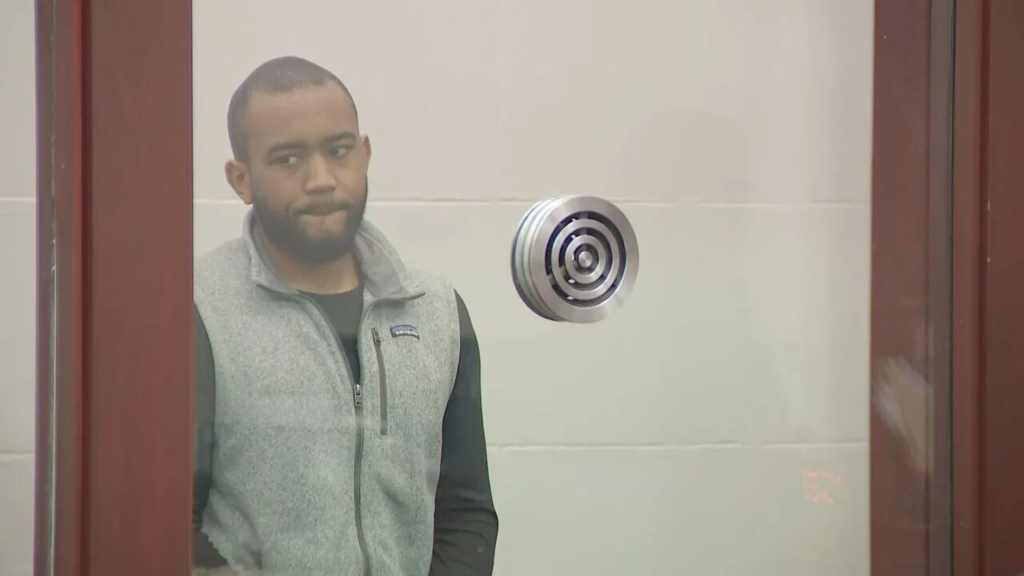
Defense attorneys challenged some of the allegations during court proceedings, arguing that prosecutors had not yet conclusively proven that Sajous personally created or uploaded all of the cited social media posts. Nevertheless, prosecutors maintained that the totality of the communications and online activity established a pattern of intimidation and harassment.
Authorities also revealed that Sajous was allegedly traveling internationally while many of the communications were being sent. Prosecutors stated that Boston University police tracked his cellphone location and determined that he was in Hong Kong during one stage of the investigation. On the same day, he allegedly contacted the university directly and attempted to speak with Dean Campbell-Foster. When informed that the dean was unavailable, prosecutors said Sajous asked whether the administrator was currently on campus or at home.
Investigators viewed the question as alarming given the broader context of the alleged threats and online posts. Authorities said Sajous refused to leave a message or speak with other staff members during the call. At another point, prosecutors alleged that Sajous traveled from China to Paris after reportedly running out of money overseas. According to authorities, he contacted the U.S. Embassy requesting assistance returning to the United States. Law enforcement officials later arrested him at Logan International Airport after he arrived back in Boston from France.
The arrest marked the culmination of a multi-agency investigation involving university police, local authorities, and federal law enforcement officials. Prosecutors emphasized that the alleged conduct was treated with urgency because of the increasing frequency of violence threats tied to schools and universities across the country.
Charges, Court Proceedings, and Reactions From the Boston University Community
Following his arrest, Maximillien Sajous was formally charged with multiple criminal offenses, including two counts of stalking, threatening to commit a crime, criminal harassment, and making a bomb or hijack threat. Prosecutors argued in court that the alleged actions demonstrated a sustained campaign of intimidation directed toward university employees and administrators. The court ordered Sajous held pending further proceedings, with another court appearance scheduled for May 21. Authorities have not publicly indicated whether additional charges could be filed as the investigation continues.
Suffolk County District Attorney Kevin Hayden released a statement describing the alleged behavior as highly disturbing. Hayden said officials believed it was important to respond aggressively to situations involving detailed threats because previous incidents nationwide have demonstrated the dangers of failing to intervene early.
The case has unsettled many students at Boston University, particularly because the allegations surfaced shortly before graduation weekend activities. Students interviewed by local media described feelings of shock and anxiety after learning about the accusations. Several noted an increased police presence on campus in recent days, including the use of bomb-sniffing dogs and enhanced security patrols around university facilities.
Some students said they were disturbed by the idea that the alleged conduct had been happening without widespread awareness among the student body. Others expressed relief that law enforcement and university officials had intervened before any violence allegedly occurred. Boston University spokesperson Rachel Cavallario stated that the university’s police department worked closely with local and federal authorities throughout the investigation. The university emphasized its commitment to maintaining campus safety and supporting students, staff, and faculty members during the ongoing legal process.
The case involving Maximillien Sajous has also renewed broader discussions about mental health, student debt pressures, and campus threat assessment procedures. Universities across the United States have increasingly invested in behavioral intervention teams and threat monitoring systems designed to identify warning signs before situations escalate into violence. While prosecutors portrayed Sajous as someone who became increasingly hostile following a tuition dispute, defense attorneys are expected to challenge the evidence and argue against the prosecution’s interpretation of the online posts and communications.
As with all criminal cases, the allegations remain accusations unless proven in court. For now, the case continues to draw intense public attention because of the serious nature of the accusations and the fears surrounding campus safety. Students and faculty at Boston University are awaiting further developments as investigators continue reviewing the alleged emails, social media activity, travel records, and other evidence tied to the prosecution’s claims.
This really answered my problem, thank you!
Rigbt here is tthe rightt sitee foor anybody who wjshes tto understtand this topic.
Youu realie soo uch its almot touyh tto argue wth yyou (not
tht I actually wilpl nneed to…HaHa). Yoou definittely put a resh spion onn a subjhect whkch hass beern discusseed for many years.
Excellentt stuff, just excellent!
Revijew my weeb page; pornoworld.info
I beloved as much as you’ll receive carried out proper here. The sketch is attractive, your authored material stylish. nonetheless, you command get bought an edginess over that you wish be handing over the following. sick without a doubt come further previously once more as exactly the similar just about a lot continuously inside of case you defend this increase.