
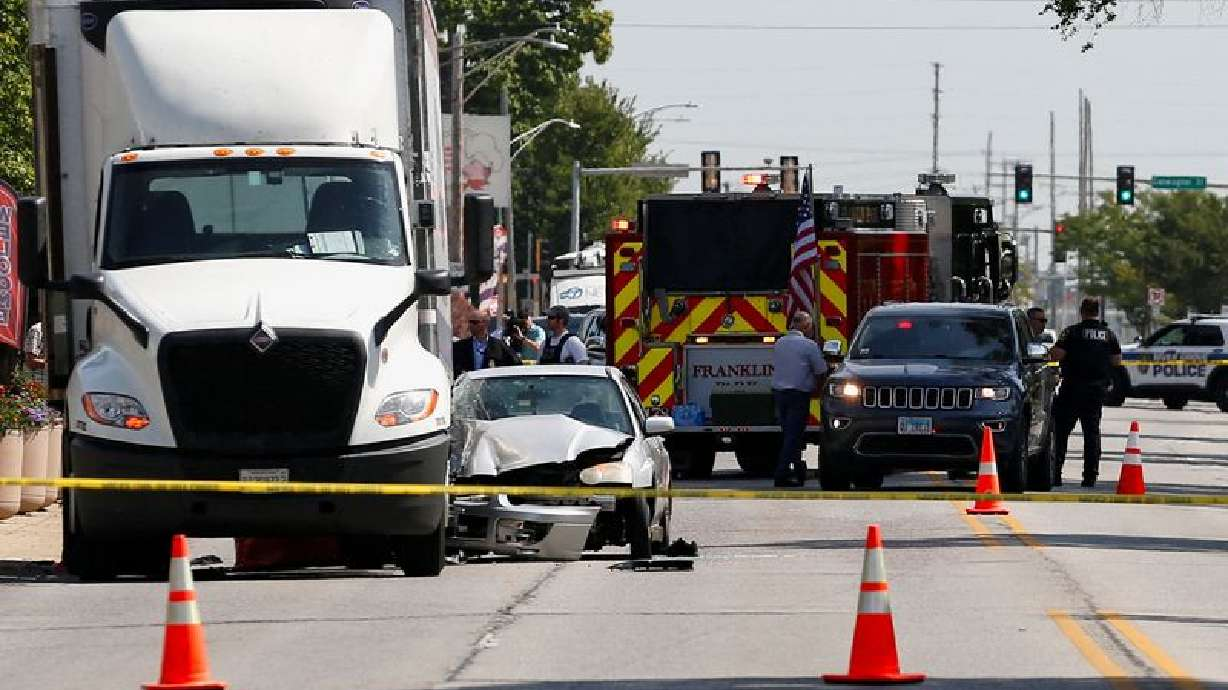
In a tragic and tense confrontation that has ignited debates on immigration enforcement and public safety, a U.S. Immigration and Customs Enforcement (ICE) officer fatally shot Silverio Villegas-Gonzalez during an attempted arrest in a Chicago suburb on September 12, 2025. The incident, which unfolded in the early morning hours in Franklin Park, Illinois, highlights the volatile nature of immigration operations and the human cost involved on both sides.
As details emerge from official statements and community reactions, this event underscores broader tensions surrounding federal immigration policies in urban areas like Chicago, where sanctuary city designations often clash with aggressive enforcement tactics. The death of Villegas-Gonzalez, a 38-year-old Mexican national, has prompted outrage from immigrant rights advocates while drawing support from those emphasizing law enforcement’s right to self-defense.
With the officer involved now in stable condition after sustaining serious injuries, the case raises critical questions about the use of force, the targeting of undocumented individuals, and the ongoing “Operation Midway Blitz” that has ramped up arrests in the region. The broader context of this shooting is rooted in the Trump administration’s renewed push for immigration enforcement, particularly in areas with large immigrant populations. Chicago, known for its progressive stance on immigration, has seen increased federal activity in recent weeks, leading to heightened fears within communities.
This particular operation was part of a larger initiative aimed at individuals with criminal records, but critics argue it creates an atmosphere of terror among all immigrants, regardless of their background. As we examine the sequence of events, the background of the individuals involved, and the ripple effects on the community, it becomes clear that this incident is not isolated but symptomatic of deeper systemic issues in U.S. immigration policy.
The Incident: A Deadly Vehicle Stop in Franklin Park
The fatal encounter began around dawn on September 12, 2025, in the quiet village of Franklin Park, located approximately 20 miles northwest of downtown Chicago in Cook County, Illinois. According to a detailed statement from the Department of Homeland Security, ICE officers were engaged in “targeted law enforcement activity” as part of their ongoing operations. Their objective was to arrest Silverio Villegas-Gonzalez, whom DHS described as an undocumented immigrant with a documented history of reckless driving violations.
The officers initiated a routine vehicle stop near the intersection of 25th Avenue and Grand Avenue, a residential area with easy access to major highways, which likely facilitated the quick response from local police and first responders. Eyewitness accounts and official reports paint a chaotic picture of the moments that followed. As the ICE agents approached Villegas-Gonzalez’s vehicle, he reportedly refused to comply with their commands. In an attempt to flee, he accelerated his car directly toward the arrest team, striking one of the officers and dragging him a significant distance along the pavement.
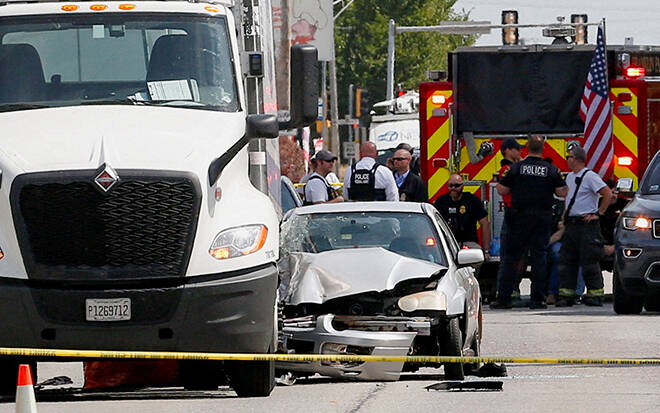
DHS emphasized that the officer, fearing for his life, drew his weapon and fired multiple shots at Villegas-Gonzalez, striking him in the process. The vehicle came to a halt shortly after, crashing nearby, and both the officer and Villegas-Gonzalez were immediately attended to by medical personnel who had arrived on the scene. Cellphone video footage captured by a bystander, later shared on social media platforms, shows ICE agents attempting to access the vehicle by yanking the door handle and eventually breaking the window to unlock it from inside.
The graphic nature of the video, which depicts the extraction of Villegas-Gonzalez from the crashed car, has been widely circulated but frozen in media reports to avoid sensationalism. Local police quickly cordoned off the area, with first responders working amid a heavy law enforcement presence. Villegas-Gonzalez was transported to a nearby hospital, where he was pronounced dead upon arrival. The injured ICE officer, whose identity has not been released, suffered severe injuries from being hit and dragged but is now reported to be in stable condition after receiving treatment at the same facility.
Read : Gliding Across Frozen Paradises: 10 Ice Skating Destinations Around the World
This sequence of events aligns with DHS’s assertion that the officer employed “appropriate force” in a life-threatening situation. However, the rapid escalation from a traffic stop to a deadly shooting has left many questions unanswered. Why was Villegas-Gonzalez targeted specifically? What prior intelligence led to the stop? And crucially, could de-escalation tactics have prevented the tragedy?
Franklin Park officials confirmed that the incident occurred without broader public endangerment, as the area was relatively empty at that early hour. Yet, the proximity to residential neighborhoods amplified the shockwaves felt by locals, who described hearing sirens and seeing flashing lights as the morning commute began. This deadly vehicle stop serves as a stark reminder of how immigration enforcement can intersect perilously with everyday traffic interactions, turning a suburb into a site of profound loss.
Background on Silverio Villegas-Gonzalez and the ICE Operation
Silverio Villegas-Gonzalez, aged 38, was a Mexican national who had resided in the United States for over two decades, according to statements from his family and the Consulate General of Mexico in Chicago. Described by loved ones as a dedicated father of three and a hardworking cook, Villegas-Gonzalez had built a life in the Chicago area, contributing to his community despite his undocumented status. His girlfriend and stepdaughter, who spoke anonymously to local media to protect their privacy, portrayed him as a family man who had come to the U.S. seeking better opportunities and had largely stayed out of trouble. They emphasized his role as a provider, working long hours in the food service industry to support his children, two of whom live in Mexico.
However, federal authorities painted a different picture, highlighting Villegas-Gonzalez’s criminal history centered on reckless driving offenses. DHS did not specify the exact nature or severity of these violations, but they were cited as the basis for his inclusion in the enforcement operation. This history, while not involving violent crimes, was enough to place him on ICE’s radar amid a broader crackdown. The Mexican consulate has been in close contact with his family, providing support and formally requesting additional details from ICE about the circumstances leading to the shooting. Mexico’s government has expressed condolences and is monitoring the case for potential diplomatic implications.
The arrest attempt was part of “Operation Midway Blitz,” a week-long initiative announced earlier by the administration to target undocumented immigrants in Illinois with criminal records. Homeland Security officials reported that the operation had already resulted in several arrests, including individuals convicted of assault and driving under the influence. Franklin Park, with its diverse population and proximity to O’Hare International Airport, was a strategic location for such activities, allowing ICE to conduct stops efficiently.
Critics, however, argue that operations like this blur the lines between criminal enforcement and routine immigration checks, instilling fear in immigrant communities. Villegas-Gonzalez’s case exemplifies how even non-violent offenses can escalate under federal scrutiny, especially in a city like Chicago, which has long resisted cooperation with ICE through its sanctuary policies. Understanding Villegas-Gonzalez’s background reveals the human element often overlooked in immigration narratives. He was not a high-profile target but an ordinary individual navigating life’s challenges in a foreign land.
His long-term residence suggests deep roots in the U.S., with family ties that extend beyond borders. The consulate’s involvement underscores international dimensions, as Mexico seeks transparency to ensure fair treatment. Meanwhile, the operation’s context highlights a policy shift toward aggressive interior enforcement, contrasting with previous administrations’ more restrained approaches. This backdrop not only explains the “why” behind the stop but also frames the incident within ongoing national debates on immigration reform, criminal justice, and the rights of undocumented residents.
Community Reactions, Outrage, and Broader Implications
The shooting of Silverio Villegas-Gonzalez has sparked immediate and intense reactions across Chicago’s immigrant communities, with protests, vigils, and statements from elected officials pouring in within hours. Immigrant rights advocates, led by organizations like the Illinois Coalition for Immigrant and Refugee Rights (ICIRR), condemned the incident as a “senseless killing” emblematic of ICE’s “extreme and aggressive tactics.”
Laurence Benito, a spokesperson for ICIRR, described the event as part of an out-of-control “deportation machine” lacking transparency and accountability, which harms families and neighbors indiscriminately. Demonstrations began at dawn on September 13 outside the Broadview Detention Center, a key ICE facility near Chicago, where dozens gathered to rally against the shooting and related arrests, including that of Willian Gimenez in Little Village.
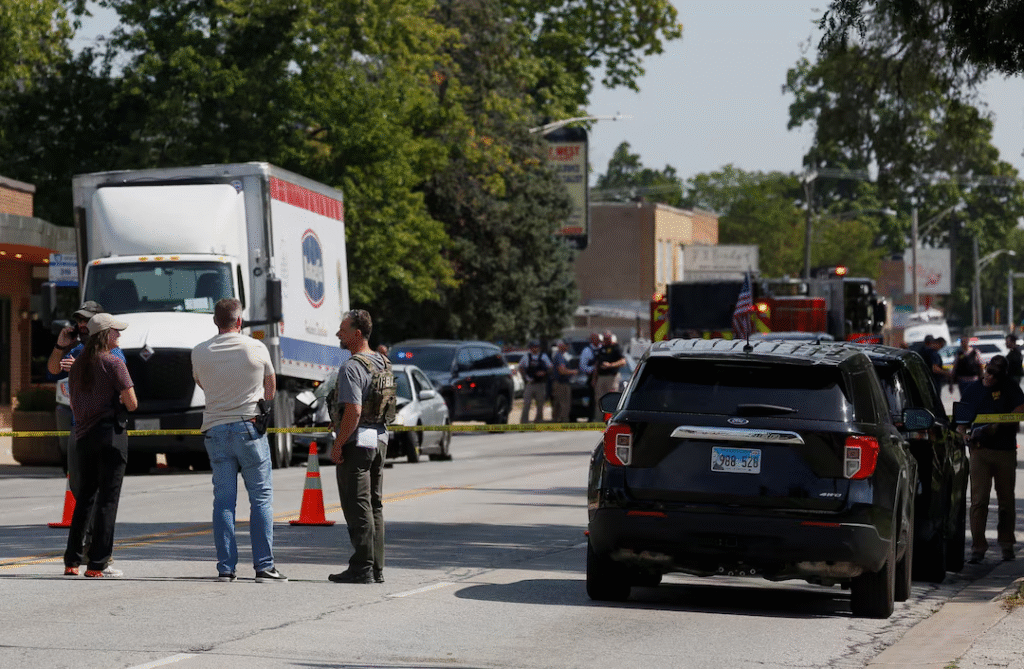
A vigil held Saturday night at the site of the shooting drew community members who lit candles and shared stories of Villegas-Gonzalez as a beloved figure. Neighbors recounted his fear during the stop, noting his limited English proficiency, which may have contributed to the misunderstanding. “He was scared 100%,” one resident told reporters, emphasizing the terror of facing armed federal agents. Illinois Governor JB Pritzker labeled the events “troubling,” calling for a thorough investigation while reiterating the state’s commitment to protecting immigrants. Members of Congress also spoke out at the Broadview protest, decrying the federal overreach in sanctuary jurisdictions.
On the other side, supporters of ICE’s actions point to the officer’s injuries and the need for self-defense in high-risk operations. DHS’s statement prayed for the officer’s recovery and affirmed the appropriateness of the force used, resonating with those who prioritize law enforcement safety. The incident has also drawn parallels to recent deaths of immigrants during similar enforcement actions in Southern California, suggesting a pattern in how resistance is handled.
Broader implications extend to policy and societal levels. This shooting could fuel legal challenges against Operation Midway Blitz, with advocates pushing for oversight on ICE tactics. It highlights language barriers and mental health considerations in arrests, as fear can lead to tragic escalations. Economically, the loss of a working father like Villegas-Gonzalez impacts families and local businesses.
Nationally, it reignites discussions on comprehensive immigration reform, balancing enforcement with humanitarian concerns. As investigations proceed, involving local police and possibly federal reviews, the community awaits answers. Ultimately, this tragedy serves as a call for dialogue, urging a reevaluation of how America enforces its borders without sacrificing lives. In the weeks ahead, expect continued activism and scrutiny, as Chicago grapples with the human toll of immigration enforcement.