
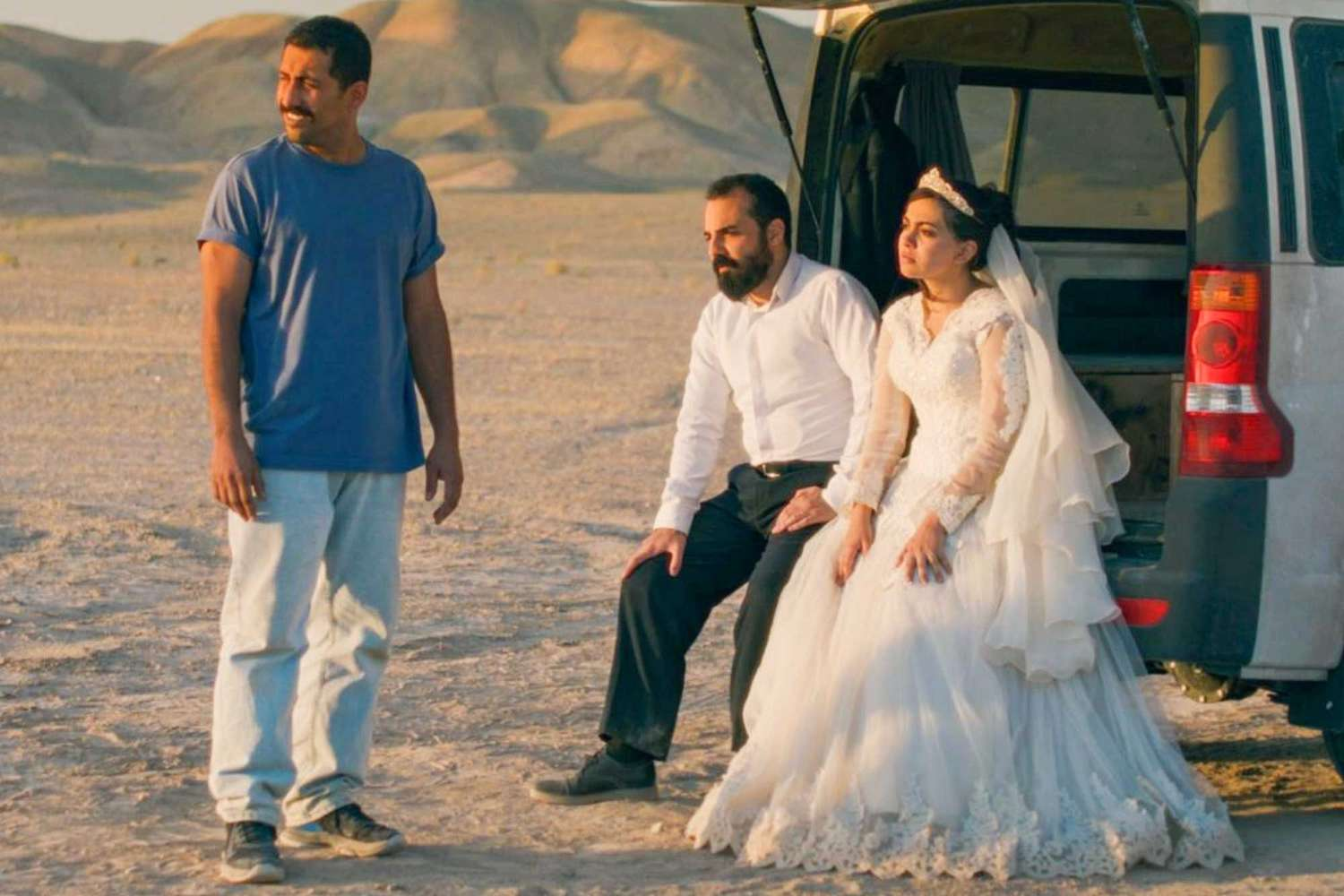
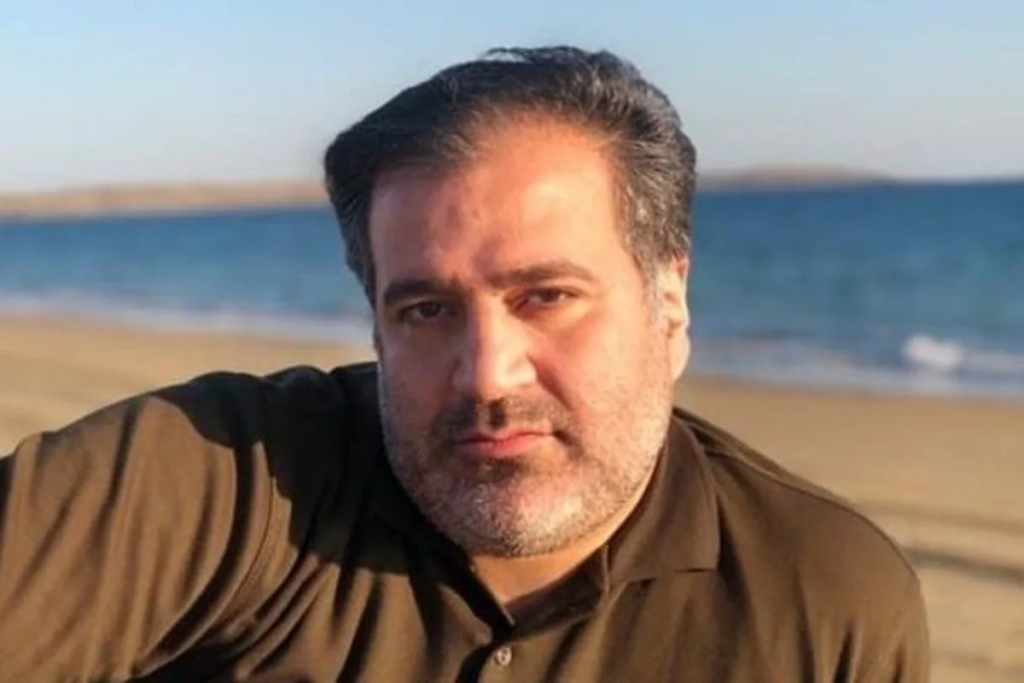
Iranian screenwriter and activist Mehdi Mahmoudian has been arrested by Iranian authorities after publicly condemning what he and other prominent figures described as the state’s “mass and systematic killing of citizens” during the country’s violent crackdown on protests. The arrest has drawn international attention not only because of Mahmoudian’s long-standing human rights advocacy, but also because of his recent global recognition as an Oscar-nominated screenwriter.
His detention underscores the continued risks faced by artists, intellectuals, and activists in Iran who speak out against the Islamic Republic’s use of force to suppress dissent, even as Iranian cinema gains acclaim on the world stage. Mahmoudian co-wrote It Was Just an Accident, a political thriller centered on three former political prisoners grappling with whether to seek revenge against their former interrogator.
The film received nominations for Best Original Screenplay and Best International Feature at the 2026 Academy Awards, marking a rare moment of international celebration for Iranian storytelling that confronts themes of repression, morality, and justice. Yet, as global audiences applauded the film’s artistic and political courage, Mahmoudian himself was once again drawn into the very system of repression his work seeks to expose.
According to reports from the US distributor Neon and the US-based Human Rights Activists News Agency, Mahmoudian was detained on Saturday alongside two other signatories of a public letter criticizing the Iranian government’s conduct.
BBC Persian reported that he has since spoken to a lawyer, while his social media account confirmed that he briefly contacted his family to inform them of his arrest and his health status, though he was reportedly barred from sharing further details. His arrest comes only a short time after his release from prison on previous charges of “propaganda” against the regime, highlighting a cycle of surveillance, detention, and intimidation that continues to define the experience of dissenters in Iran.
The Letter, the Crackdown, and the Cost of Dissent
The immediate trigger for Mehdi Mahmoudian’s arrest was his decision to sign a letter condemning the Iranian government’s response to widespread protests. The letter, co-signed by 16 other prominent figures, accused the authorities of relying on mass killings to preserve political power while disregarding citizens’ most basic and inalienable rights. It stated that the Islamic Republic had treated lethal force not as a last resort, but as a governing strategy aimed at crushing demands for political change.
Iran has experienced repeated waves of protests in recent years, driven by grievances over political repression, economic hardship, corruption, and social restrictions. These demonstrations have often been met with overwhelming force from security services, including the use of live ammunition, mass arrests, and prolonged detentions.
While the Iranian government has acknowledged that approximately 3,000 people were killed during the most recent crackdown, human rights organizations estimate that the true death toll may be far higher, ranging from 7,000 to more than 30,000. These figures, though difficult to independently verify due to restrictions on media and monitoring organizations, have fueled global concern and condemnation.
The letter Mahmoudian signed explicitly challenged the state’s narrative and legitimacy. It argued that the government’s survival strategy had become inseparable from violence against its own population, and that citizens were being denied their fundamental right to seek political change. Such language is considered highly provocative under Iranian law, where broad national security statutes criminalize criticism of the state, particularly when it questions the foundations of the Islamic Republic or accuses it of systematic human rights abuses.
Among the other signatories were Nobel Peace Prize laureate Narges Mohammadi and renowned human rights lawyer Nasrin Sotoudeh, a recipient of the Sakharov Prize for Freedom of Thought. Both women have themselves endured repeated imprisonment and harassment for their activism. The inclusion of such prominent figures underscores the significance of the letter as a collective act of resistance by Iran’s civil society, as well as the risks undertaken by those who attach their names to such statements.
Read : New Study Found That Elephants Call Each Other by Unique Names
Mahmoudian was detained along with Abdollah Momeni and Vida Rabbani, two other signatories known for their activism and criticism of the government. The arrests appear to follow a familiar pattern: targeting individuals associated with organized or symbolic acts of dissent, particularly those with international profiles or connections. By detaining figures like Mahmoudian, Iranian authorities send a message that international recognition does not confer protection, and that domestic criticism will be met with swift consequences regardless of global attention.
From Prison to the Oscars: Art, Activism, and Repression
Mahmoudian’s arrest is particularly striking given the trajectory of his recent career. It Was Just an Accident marked the first film he released after being freed from prison on earlier charges related to anti-regime propaganda. His return to filmmaking was seen by many as a testament to resilience and creative defiance in the face of censorship and intimidation.
The film’s success suggested that Iranian artists could still reach global audiences with stories that reflect the country’s political and social realities, even as those realities grow increasingly fraught. The film itself explores the psychological scars left by political imprisonment and torture, focusing on moral ambiguity rather than simplistic notions of justice or revenge.
By centering the narrative on former prisoners debating their response to past abuse, the screenplay engages directly with themes that resonate deeply in Iran, where thousands have experienced detention, interrogation, and long-term trauma. That such a film achieved Oscar nominations is significant, not only as a milestone for Mahmoudian and his collaborators, but also as an implicit challenge to the Iranian state’s efforts to control cultural narratives.
However, the international success of It Was Just an Accident appears to have offered little protection to its creators. Instead, Mahmoudian’s renewed activism placed him squarely back in the crosshairs of authorities. His arrest serves as a reminder that, in Iran, artistic expression and political dissent are often inseparable in the eyes of the state, particularly when art engages directly with themes of repression, accountability, and resistance.
The contrast between the film’s accolades and Mahmoudian’s detention highlights a broader paradox facing Iranian artists. On one hand, Iranian cinema is widely respected for its artistic innovation, subtle storytelling, and humanistic focus. On the other, filmmakers, writers, and actors who push boundaries or align themselves with political criticism face censorship, travel bans, surveillance, and imprisonment. International recognition may amplify their voices abroad, but it can also intensify scrutiny at home.
International Reaction and the Broader Implications
Following Mahmoudian’s arrest, statements of concern emerged from cultural and human rights communities, particularly in connection with his Oscar nominations. The US distributor Neon confirmed his detention, drawing attention to the apparent link between his activism and the state’s response. Human rights organizations emphasized that his case is emblematic of a wider campaign against dissent, rather than an isolated incident.
Read : Kelvin Javier Molina Garcia Arrested for Murder of DoorDash Driver John Glenn Martinez
Jafar Panahi, Mahmoudian’s co-writer and a celebrated filmmaker in his own right, issued a detailed and personal statement after news of the arrest broke. Panahi, who remains in exile, recalled meeting Mahmoudian in prison and described him as a calm, compassionate presence who took responsibility for supporting fellow inmates. According to Panahi, Mahmoudian consistently sought to provide new prisoners with basic necessities and emotional reassurance, earning trust across ideological and social lines within the prison.
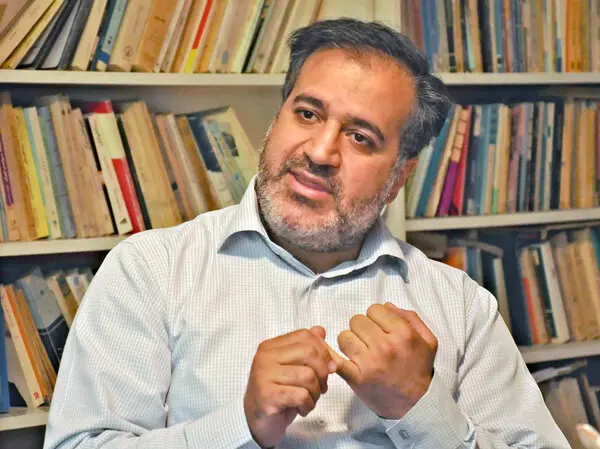
Panahi’s account adds a human dimension to Mahmoudian’s public image as an activist and artist. It portrays him not only as a critic of the regime, but as someone deeply committed to solidarity and mutual care under extreme conditions. Such descriptions stand in stark contrast to the state’s portrayal of dissidents as threats to national security, reinforcing concerns that arrests like Mahmoudian’s are aimed less at addressing genuine security risks and more at silencing moral and intellectual opposition.
Panahi also recounted the final communication he had with Mahmoudian before his arrest. After exchanging messages in the early hours of the morning, Panahi grew concerned when no further replies came. Within hours, news of Mahmoudian’s detention was confirmed by BBC Persian. The timeline underscores how quickly and abruptly such arrests can occur, often leaving families, colleagues, and legal representatives scrambling for information.
The broader implications of Mahmoudian’s arrest extend beyond his individual case. It signals an ongoing effort by Iranian authorities to suppress coordinated criticism from respected figures, particularly those capable of attracting international attention. By targeting artists and intellectuals alongside lawyers and activists, the state reinforces a climate in which public dissent carries severe personal risk, regardless of one’s cultural standing or global recognition.
At the same time, Mahmoudian’s case highlights the growing gap between Iran’s cultural achievements and its political realities. Films like It Was Just an Accident gain praise for their honesty and depth, while the individuals behind them face detention for expressing the same concerns in real life. This disconnect raises difficult questions for international institutions, festivals, and awards bodies about how to engage with Iranian art while acknowledging the conditions under which it is produced.
As of now, Mahmoudian’s legal situation remains unclear. While he has reportedly spoken to a lawyer and informed his family of his health, there has been no official disclosure of the charges against him or the conditions of his detention. Given his previous imprisonment and the pattern of prosecutions against dissenters in Iran, there are widespread concerns that he could face prolonged detention or new charges related to national security or propaganda.
Mehdi Mahmoudian’s arrest stands as a stark illustration of the costs of speaking out in Iran. It also serves as a reminder that behind internationally celebrated works of art are individuals whose lives and freedoms remain precarious. As global audiences prepare to celebrate Iranian cinema at the Academy Awards, the fate of one of its most prominent voices remains uncertain, caught between international acclaim and domestic repression.
La neta, 10bet es de los mejores sitios para apostar en línea. Seguridad, variedad de juegos y buena atención al cliente. ¿Qué más puedes pedir? ¡Pruébalo ya!: 10bet
Hey folks, casinovnlmx is pretty alright. Variety of games and the payouts are pretty decent. Give casinovnlmx a peek if you’re looking for a decent place to play with a good game selection.
Yo! djgamedownload is my go-to for new game downloads. Seriously, they always have the latest releases. Check it out! djgamedownload