
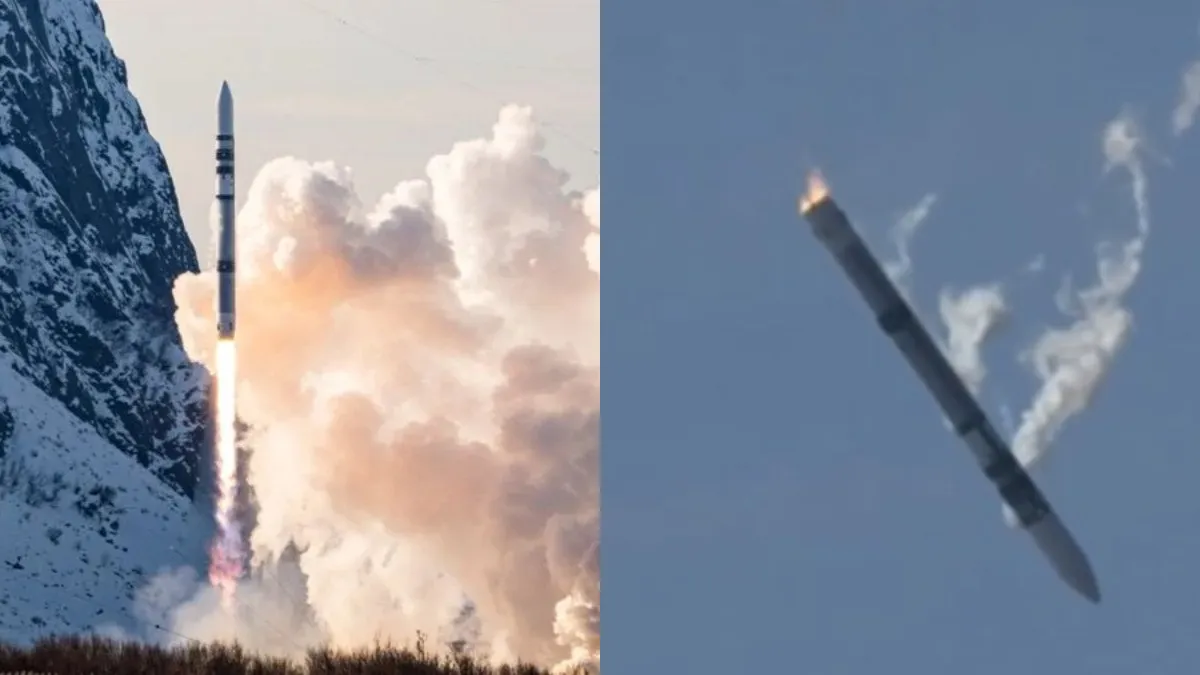
The world of space exploration witnessed a dramatic moment when the German start-up Isar Aerospace’s orbital rocket, Spectrum, crashed into the Norwegian Sea just seconds after lift-off. The launch, which took place from a spaceport in northern Norway, was a significant event for European space ambitions.
Despite the failure, the company maintained that the test flight met its primary objectives. This incident highlights both the challenges and the aspirations of Europe’s growing private space industry, which seeks to compete with established giants like SpaceX and Chinese state-owned enterprises.
The Spectacular Failure of Spectrum
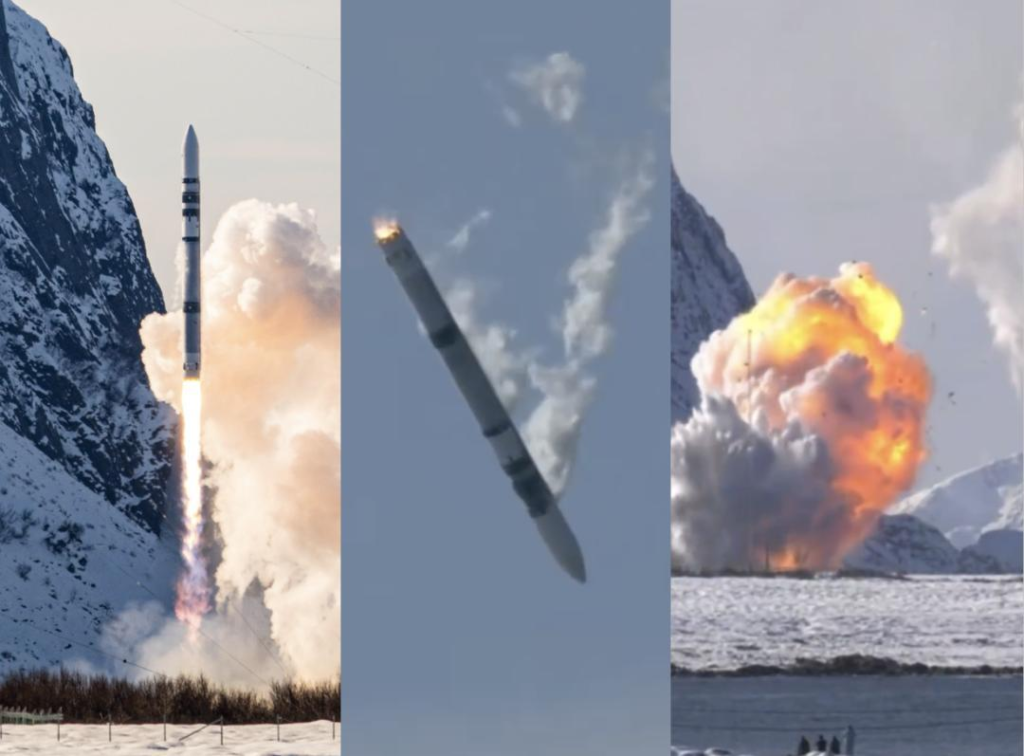
On Sunday, Isar Aerospace attempted to make history by launching the Spectrum rocket, which was designed to be Europe’s first privately developed orbital launch vehicle. The rocket ignited successfully and lifted off, soaring into the sky in what initially seemed like a promising ascent.
However, within just 30 seconds, things went terribly wrong. The rocket lost stability, began spinning out of control, and ultimately crashed into the frigid waters of the Norwegian Sea.
The scene was both dramatic and disheartening. Footage of the event showed the rocket veering off course before plummeting downwards. While such failures are not uncommon in the space industry, the short-lived flight was a setback for Isar Aerospace, which had positioned itself as a leading player in the European private space sector.
Read : SpaceX Catches Starship Rocket Booster with Robotic Arms: Watch
Despite the crash, the company remained optimistic. In an official statement, Isar Aerospace asserted that the test had achieved its intended goals, mainly by collecting valuable flight data.
SpaceX makes rocket launches look easy, while today, Europe's first private rocket company faced a harsh reality, Germany’s Isar Aerospace saw its first test rocket explode just 44 seconds after liftoff. pic.twitter.com/BJ1feU3rWe
— SMX 🇺🇸 (@iam_smx) March 30, 2025
“After ignition of its first stage, Spectrum successfully lifted off … for its first test flight lasting approximately 30 seconds. This allowed the company to gather a substantial amount of flight data and experience to apply on future missions,” the company stated.
The Race to Establish a European Space Industry
Historically, Europe has struggled to keep pace with global space leaders such as the United States, Russia, and China. While the European Space Agency (ESA) has played a crucial role in launching satellites and scientific missions, the continent has lacked a strong commercial space industry.
Companies such as SpaceX, backed by billionaire entrepreneur Elon Musk, have revolutionized the sector with reusable rockets and frequent launches. Meanwhile, China’s state-run space program has been making rapid strides, launching crewed missions, lunar probes, and ambitious Mars exploration projects.
In contrast, European space efforts have been relatively limited. While ESA and the French-run ArianeGroup have launched rockets into orbit, these missions have primarily taken place from spaceports outside continental Europe, such as French Guiana in South America.
Isar Aerospace’s launch from northern Norway was significant because it represented an attempt to establish a homegrown European orbital launch capability.

The potential benefits of such an initiative are immense. Europe’s access to independent space launch capabilities would provide greater control over satellite deployment, national security, and scientific research. It would also reduce reliance on non-European entities and allow the continent to play a more prominent role in the rapidly evolving space economy.
Daniel Metzler, the CEO and co-founder of Isar Aerospace, emphasized the company’s long-term vision. “As a company with European roots, we are proud to have shown that Europe has an enduring capacity for bold thinking and grand achievements,” Metzler said.
He further highlighted that Isar Aerospace aims to offer satellite launch services to customers worldwide, addressing a major gap in Europe’s security and technological infrastructure.
Challenges and the Road Ahead
While Isar Aerospace remains optimistic, the road to success will be fraught with challenges. Developing a reliable orbital rocket requires extensive testing, fine-tuning, and investment. The short flight of Spectrum, though informative in terms of data collection, was a stark reminder of the complexities involved in rocket science.
Failures are a common part of space exploration. Even industry leaders such as SpaceX have experienced numerous setbacks in their early years. Before achieving its current success, SpaceX suffered multiple launch failures and had to overcome significant engineering and financial hurdles.
The key to long-term success lies in learning from these failures, iterating on design improvements, and securing the necessary funding and regulatory approvals.
Isar Aerospace faces competition from other European start-ups and established space agencies. The race to develop small satellite launchers is intensifying, with several companies across Europe attempting to enter the market. To stay ahead, Isar Aerospace must demonstrate that it can deliver reliable and cost-effective launch services.
Despite the crash, the company’s ability to execute a lift-off from European soil was an important milestone. As the global space race accelerates, Europe has a chance to carve out its own niche in the industry. With further testing, refinements, and investment, Isar Aerospace could emerge as a key player in the future of European spaceflight.