
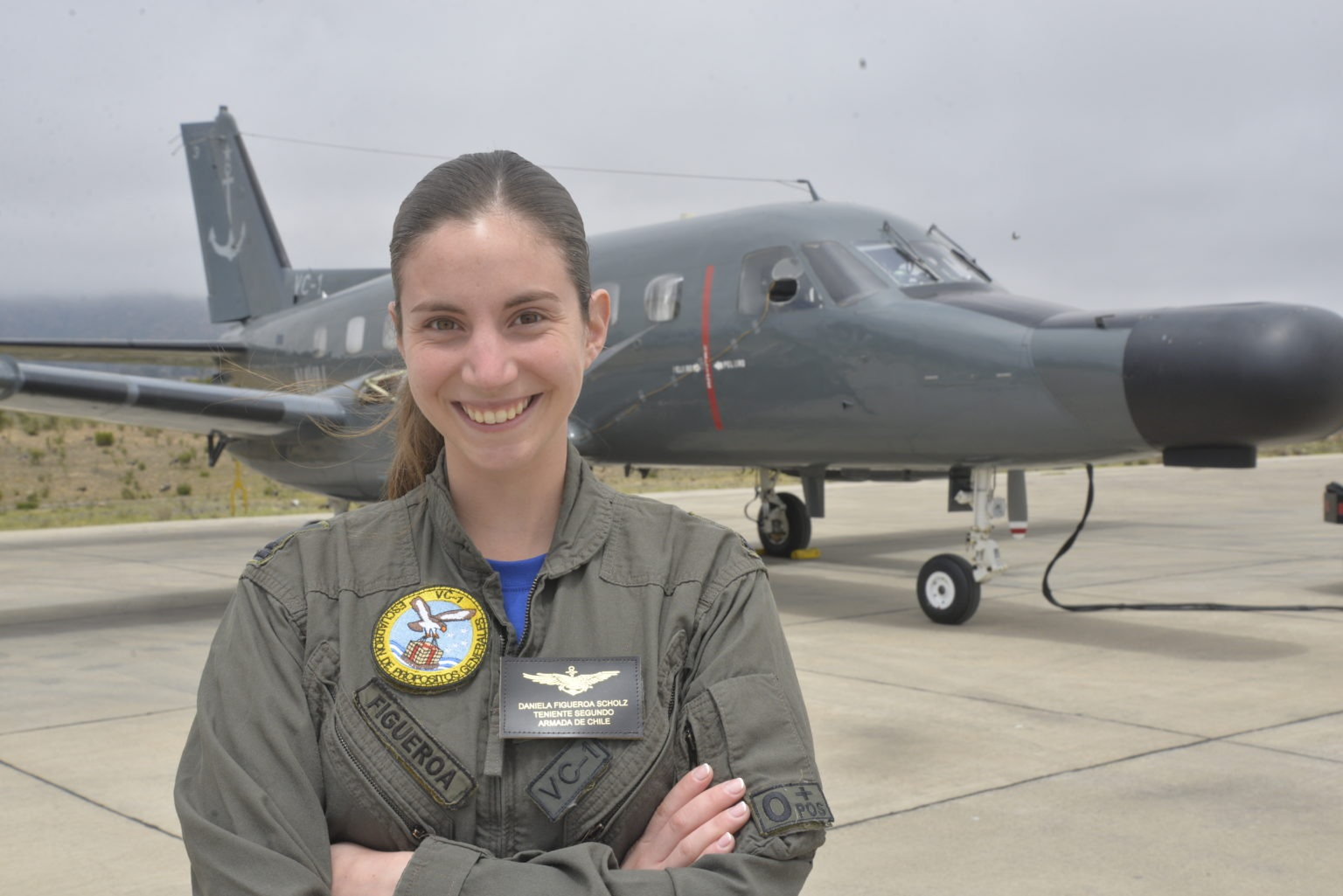
The recent claim by Iranian state media alleging that Iranian forces shot down two Israeli fighter jets and Israeli Female Pilot Captured in Iran has sparked a wave of confusion, disbelief, and media frenzy across the Middle East. According to the report, Iranian air defenses engaged and downed Israeli military aircraft allegedly conducting operations in or near Iranian territory.
Tehran’s outlets claimed a pilot—specifically identifying her as a woman—had been taken into custody following the incident. This narrative rapidly spread across Iranian-affiliated platforms and was picked up by some international media outlets, triggering concerns about possible military escalation between the two regional adversaries.
However, the Israeli Defense Forces (IDF) moved swiftly to reject the allegations. Col. Avichay Adraee, the IDF’s Arabic-language spokesperson, categorically dismissed the reports, labeling them “completely baseless.” According to the IDF, there were no Israeli fighter jets downed, nor any personnel captured by Iran.
The military emphasized that these stories are part of a coordinated disinformation campaign, presumably aimed at undermining Israeli morale and creating confusion both domestically and internationally. So what exactly lies behind these conflicting accounts? Is this just another example of psychological warfare, or is there any truth buried beneath the noise?
Is Israeli Female Pilot Captured in Iran?
Iranian media outlets, including IRNA and Tasnim News, have a well-documented history of reporting unverified claims, particularly during times of heightened tension with Israel. In this latest episode, their assertion that two Israeli F-35 jets were shot down by Iranian surface-to-air missiles was not supported by independent satellite imagery, video evidence, or even official statements from third-party sources.
The report became even more sensational with the mention of a female pilot, a detail that seemed specifically designed to capture public imagination and provoke stronger emotional reactions. Observers and analysts believe that this narrative is less about actual events and more about strategic messaging.
Read : 71-Year-Old Woman Pilot Dies After Plane Crashes into Terrace of House in Germany
Iran may be attempting to project strength amid recent regional developments, such as ongoing proxy conflicts, Israel’s airstrikes in Syria, and the escalating nuclear standoff. By portraying itself as capable of taking down advanced Israeli military aircraft and capturing a pilot alive, Tehran aims to boost domestic morale, rally public support behind the regime, and intimidate adversaries.
Read : 100 Pilot Whales Stranded On Australian Beach, Likely To Be Euthanised
Furthermore, the specific detail of the pilot being a woman could serve symbolic purposes. Israel has had female fighter pilots since the 2000s, and highlighting the gender of the captured individual might be aimed at intensifying the psychological blow. In conservative societies, the capture of a female combatant often carries complex implications, and Iran’s media may be using this angle to increase the sensational nature of their claim.
Israel’s Categorical Denial and Regional Context
The IDF’s prompt and emphatic denial of the Iranian report underscores how seriously it views such narratives. Israel’s military not only rejected the claim outright but also accused Iranian media of deliberately spreading falsehoods. “Fake Iranian media,” Col. Adraee declared in a post on X (formerly Twitter), reaffirming that no Israeli jets were missing and that no pilot—male or female—had been captured.

This isn’t the first time the two nations have engaged in a war of narratives. Misinformation and psychological operations are a routine part of their decades-long hostilities. Israel frequently conducts covert and overt operations against Iranian targets in Syria and elsewhere. Iran, for its part, supports groups like Hezbollah and Hamas, which have been involved in direct conflict with Israel. In this tense climate, false reports can easily serve as tools to test reactions, provoke fear, or mask domestic failures.
There’s also the question of how the international community perceives such claims. Western governments and independent security analysts typically look for corroborating evidence, such as satellite imagery, radar data, or confirmation from neutral third parties. In this case, none of those emerged. Notably, organizations like the United Nations or NATO have not issued any statements regarding the supposed downing of Israeli jets or the capture of a pilot. The absence of such verification makes the Iranian narrative appear even more questionable.
The Role of Social Media and Open-Source Intelligence (OSINT)
In the digital age, news cycles move fast, and disinformation travels even faster. After Iranian media published the report, it was quickly amplified on platforms like Telegram, X, and Facebook, with some users even sharing doctored images purportedly showing the downed aircraft or the alleged pilot in Iranian custody. This led to further confusion, with some people taking these visuals as proof of the incident’s authenticity.
However, open-source intelligence (OSINT) communities—independent groups that analyze public data, images, and videos—swiftly began to debunk the claims. Analysts pointed out inconsistencies in the photos shared online, noting that some images had previously appeared in unrelated contexts, including from older conflict zones or video games. In several cases, metadata indicated that the files were not original or had been altered. Within hours, the alleged evidence had been thoroughly discredited.
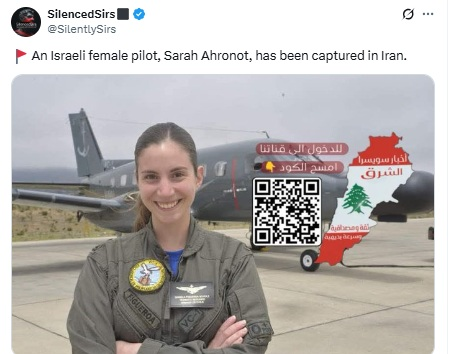
These OSINT investigations play a crucial role in discerning fact from fiction in modern conflict zones. As governments increasingly deploy information as a weapon, platforms that scrutinize publicly available data provide a counterbalance to propaganda. In this case, OSINT proved instrumental in confirming that there had been no jet crashes and no captured pilot, male or female, from the Israeli Air Force.
Yet, even when debunked, false claims leave a lasting impression. The initial emotional impact often overshadows later corrections. In authoritarian regimes or tightly controlled media environments like Iran, retractions rarely receive the same attention as the original headline. As such, the story of a heroic Iranian strike against Israeli invaders might already be lodged in public consciousness, regardless of its veracity.
In summary, the claim by Iranian media that two Israeli jets were shot down and a female pilot captured lacks any credible evidence and has been categorically denied by the Israeli Defense Forces. Analysts widely regard it as a strategic fabrication designed to serve Iran’s domestic and geopolitical objectives.
While such stories are not unusual in the long-standing rivalry between Israel and Iran, they highlight the modern battlefield’s shift toward psychological and information warfare. With no verified loss of aircraft or personnel reported, and with OSINT communities confirming the falsehood of circulated images, the world is once again reminded of how truth is often the first casualty in times of conflict.
As tensions continue to simmer in the region, discerning fact from fiction becomes ever more critical—not just for governments and militaries but for ordinary citizens trying to understand the world around them.