
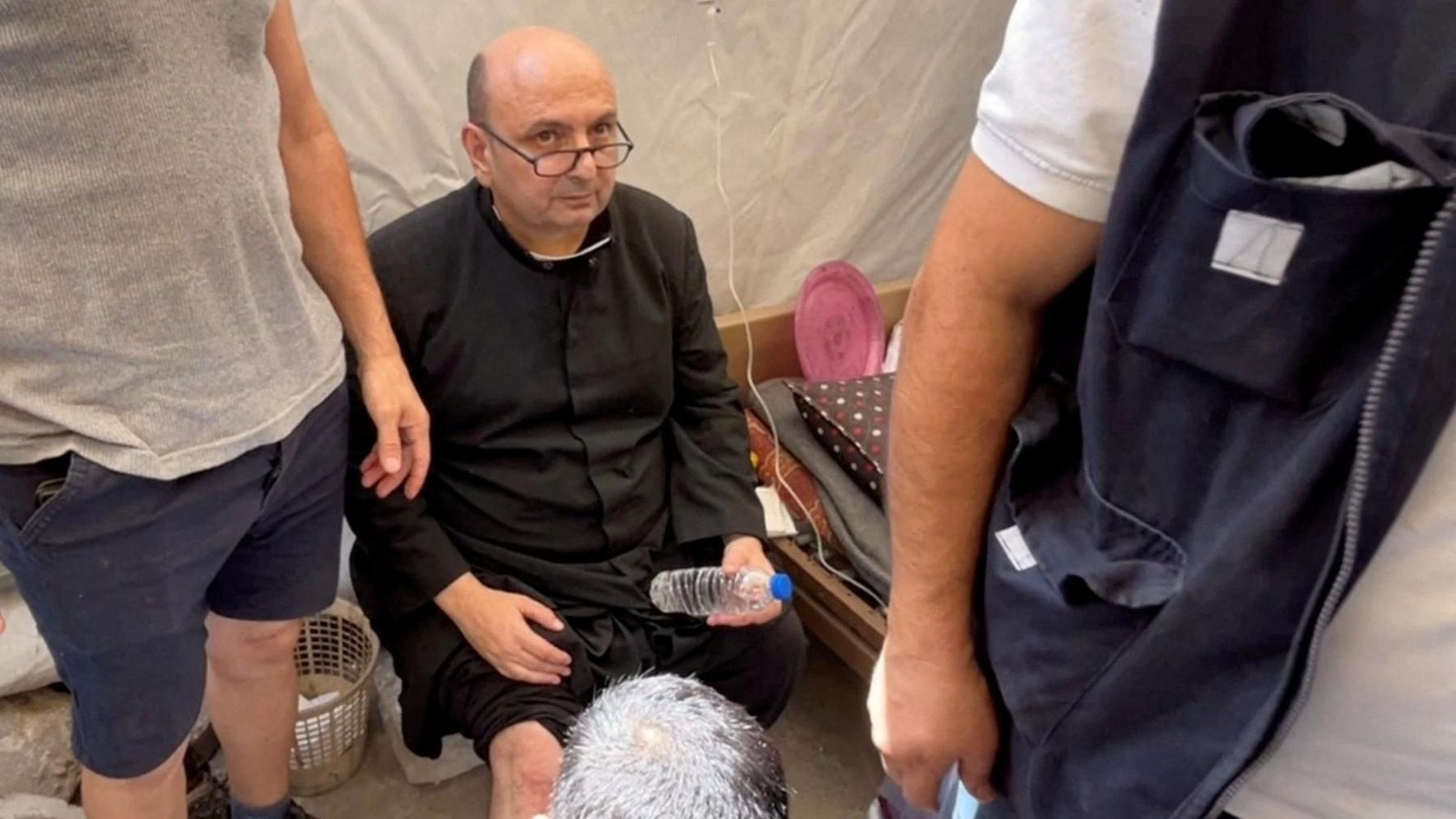
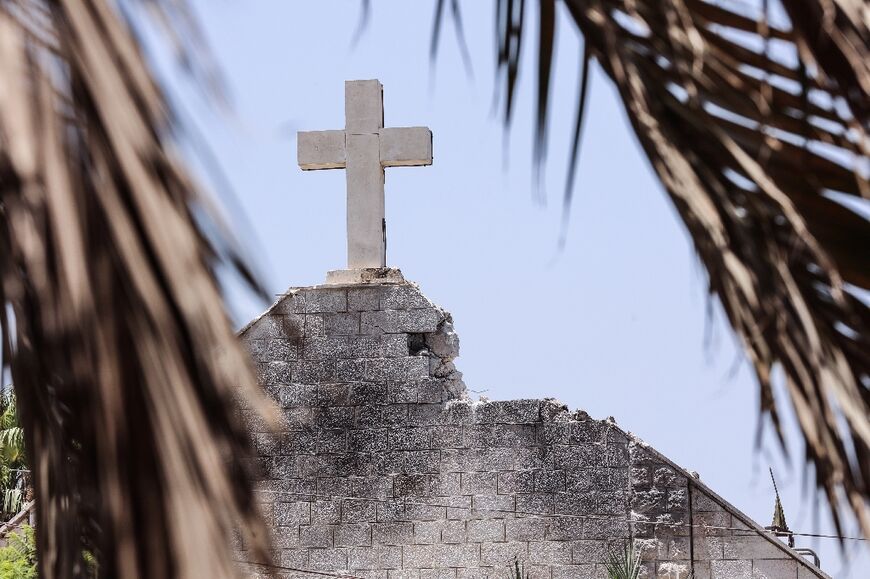
A tragic incident in the heart of Gaza has once again cast a painful spotlight on the human cost of war. In a strike widely attributed to the Israeli army, the Holy Family Church—the only Catholic church in Gaza—was hit, leading to the deaths of two individuals and injuries to several others.
The strike on this sacred site, which had been sheltering both Christians and Muslims, has drawn global condemnation and sorrow, particularly from religious leaders and humanitarian observers. As violence continues to consume the region, such incidents raise grave concerns about the protection of civilians and religious sanctuaries during armed conflict.
The Only Catholic Church in Gaza: A Sanctuary Under Fire
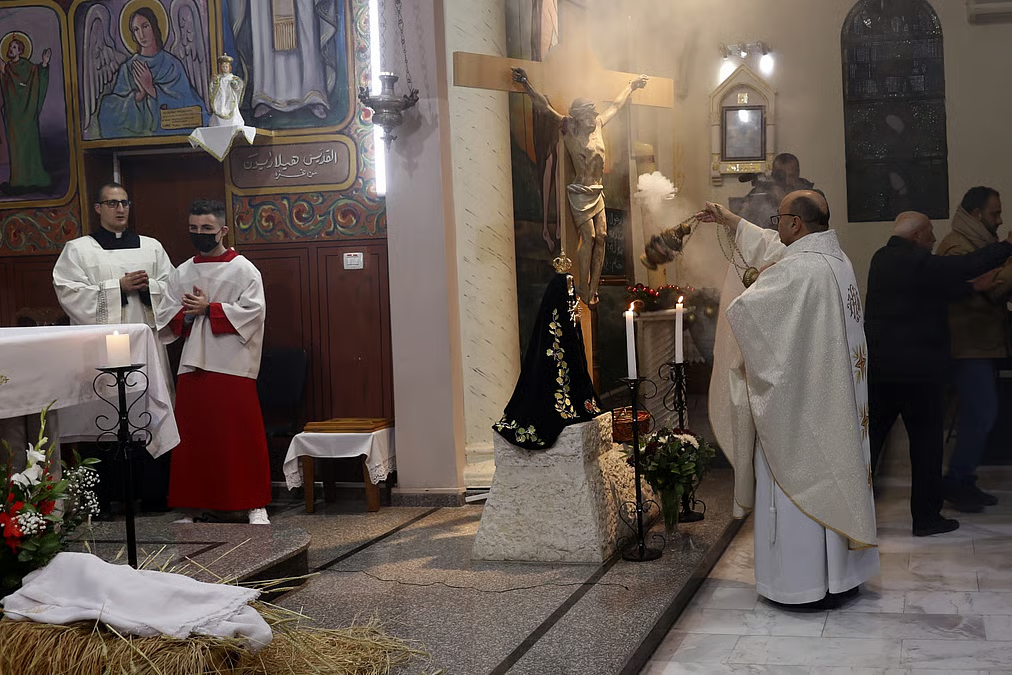
The Holy Family Church has long stood as a symbol of spiritual refuge for Gaza’s dwindling Christian community. Located near Al-Ahli Hospital in Gaza City, the church had become more than a place of worship—it was a haven for the vulnerable. At the time of the strike, the church was sheltering a mixed group of civilians, including Muslims, Christians, and children with disabilities. It was a space that represented safety and hope amid the relentless bombardment surrounding them.
According to the Latin Patriarchate of Jerusalem, a man and a woman were killed in what appeared to be an Israeli military strike. Among the wounded was Father Gabriele Romanelli, the Argentine priest who had remained in contact with the Vatican and provided regular updates about the situation in Gaza.
Though he only sustained light injuries to his leg, others were not so fortunate. Hospital officials at Al-Ahli confirmed that at least two of the injured were in critical condition, including a child with disabilities, two women, and an elderly person.
Israeli Tank Strike Hits Gaza’s Only Catholic Church, Killing Three and Wounding Several
— Joseph Bonner (@mrjosephbonner) July 18, 2025
On July 17, 2025, Israeli forces struck the Holy Family Church in Gaza City—the only Catholic church in the region—resulting in three confirmed deaths and multiple injuries, including the… pic.twitter.com/TpemWEW4co
The Latin Patriarchate condemned the strike in no uncertain terms, declaring, “Nothing can justify the targeting of innocent civilians.” The damage inflicted on the church building only added to the trauma, stripping away a rare sanctuary in a city already reduced to rubble in many parts.
Global Outcry: Voices from the Vatican and Italy
The attack has reverberated far beyond Gaza. Cardinal Pietro Parolin, the Vatican’s Secretary of State, conveyed a message of mourning from Pope Francis. Signed on behalf of the Pope, the message expressed deep sadness over the loss of life and assured the community of the Holy Family Church of the Pope’s spiritual closeness.
The message also reiterated the Pope’s longstanding call for an immediate ceasefire and peace through dialogue and reconciliation. Pope Francis had maintained a deeply personal connection with the church and its members.
Read : Who Is Greta Thunberg Who Dares to Deliver Gaza Aid and Gets Seized in Israel?
For the past 18 months, he regularly called the Holy Family Church, checking on the well-being of those sheltering there. His concern was not just symbolic; it was rooted in empathy and moral leadership. The Pope had used every opportunity—including his final public appearances—to speak out against what he called the “deplorable” war, appealing to all sides to cease hostilities immediately.
Italian Prime Minister Giorgia Meloni also weighed in strongly, directly blaming Israel for the attack. Taking to social media, she wrote, “Israeli raids on Gaza also hit the Holy Family Church. The attacks against the civilian population that Israel has been carrying out for months are unacceptable. No military action can justify such behaviour.” Her words reflect growing frustration among international leaders over the civilian toll and the destruction of non-military targets during the conflict.
The Broader Implications of Targeting Religious Sites
The Israeli military, in response to the incident, stated that it was “aware of reports regarding damage” to the Holy Family Church and that the circumstances surrounding the strike were under review. The IDF reiterated that it “makes every feasible effort to mitigate harm to civilians and civilian structures, including religious sites,” and that it regrets any damage caused.
However, such assurances ring hollow for those directly affected, especially when religious institutions—typically protected under international law—become scenes of death and destruction. The implications of such strikes go far beyond the physical damage.
For Gaza’s Christian community, which numbers only around 1,000 according to the U.S. State Department’s 2024 report, the Holy Family Church represented a cultural and spiritual lifeline. With the majority of Palestinian Christians being Greek Orthodox, Roman Catholics form a smaller yet vital segment of the Christian population. The loss of even one religious sanctuary can feel like a fatal blow to the community’s presence in the region.
Furthermore, the repeated strikes in the vicinity of both the church and the Al-Ahli Hospital have created an environment where even the traditionally respected zones—such as hospitals and religious buildings—are no longer safe. This undermines international humanitarian principles and sets a troubling precedent for future conflicts.
There is also a psychological dimension. The attack has instilled fear not only among those directly impacted but also among the broader population of Gaza, both Muslim and Christian. For the disabled children and elderly individuals who were injured, the trauma will likely be long-lasting, deepened by the loss of the only peaceful space they had.
The Urgent Need for Accountability and Peace
The strike on Gaza’s Holy Family Church stands as a somber reminder of the brutal and often indiscriminate nature of modern warfare. It underscores the pressing need for accountability and the upholding of international laws designed to protect civilians and religious sites during armed conflicts.
Pope Francis’s consistent advocacy for peace and dialogue gains even more moral weight in light of such tragedies. His connection with the parish and its priest, Father Gabriele Romanelli, humanizes what might otherwise be lost in the abstract statistics of war. The Vatican’s calls for a ceasefire and reconciliation echo the pleas of countless civilians caught in the crossfire, living in fear and mourning loved ones.
As the international community watches and responds, it becomes increasingly urgent to ensure that such incidents are not forgotten or dismissed as mere collateral damage. They are, instead, emblematic of a conflict that continues to erode the very fabric of human dignity and spiritual sanctity.
The death of two individuals in a church—an institution meant to protect and provide solace—speaks volumes about the current state of the conflict in Gaza. If even such places can be struck, then the boundaries of war have been dangerously redrawn. It is now up to the global community to insist on restoring them, before more lives are lost, and more sanctuaries are shattered.