
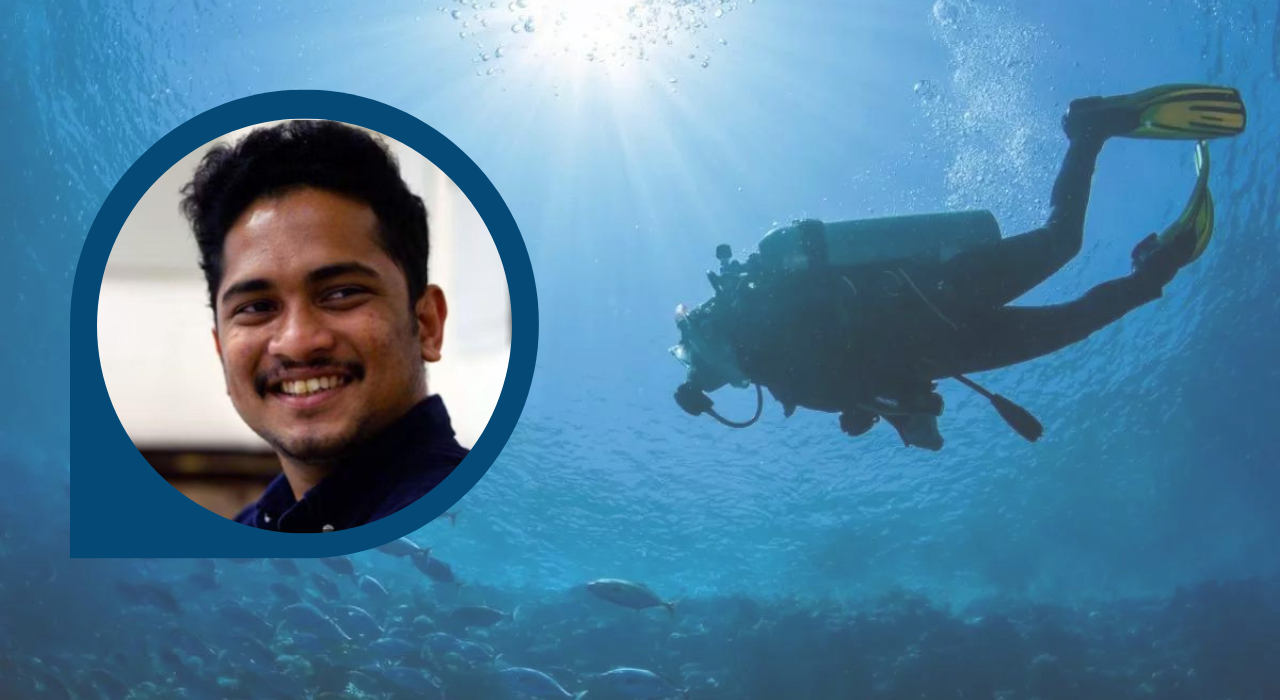
The peaceful celebration of Eid Al Adha took a tragic turn for a young Indian family in Dubai when their joyous holiday ended in heartbreak. Issac Paul Olakkengil, a 29-year-old civil engineer from Kerala, lost his life during a scuba diving training session at the popular Jumeirah Beach. What began as a recreational family activity turned into a devastating tragedy, leaving a void in the hearts of his loved ones and a community in mourning.
Issac had travelled to Dubai to enjoy the festive season with his wife Reshma and younger brother Ivin. The family had planned a scuba diving training session on June 6 at a designated training zone at Jumeirah Beach. Known for its turquoise waters and adventure offerings, the beach is a regular spot for both tourists and residents looking to indulge in marine sports. But for Issac, the adventure ended in catastrophe after he experienced breathing difficulties underwater, leading to cardiac arrest.
The incident has since prompted an investigation by Dubai authorities, with safety measures and equipment standards under scrutiny. The story of Issac Paul Olakkengil has not only shocked the Indian community in the UAE but has also raised questions about the safety protocols during underwater training exercises.
A Family Holiday That Turned Tragic
Issac Paul Olakkengil hailed from Kerala, a southern state in India known for its lush landscapes and high rate of education. He was a qualified civil engineer who had been working in Dubai alongside his wife, Reshma. His younger brother, Ivin, also an engineer, resides in Abu Dhabi. Like many expatriate Indian families, they had chosen the Eid holidays as a time to reunite, relax, and enjoy some much-needed time together.
The scuba diving session was supposed to be a recreational highlight of their holiday. According to reports, the training took place in a designated area for beginners, and all three—Issac, Reshma, and Ivin—were undergoing their session when things started to go wrong. Witnesses and family members later reported that Issac began to struggle with his breathing while underwater. He reportedly moved away from the group, possibly trying to signal distress.
Read : British YouTuber Lord Miles’ AirPods Stolen from Dubai Hotel Room Tracked to Pakistan a Year Later
In a moment that turned chaotic for everyone involved, panic spread among the divers. Reshma was the first to be rescued and brought to shore, followed by Ivin and then Issac. Despite immediate medical attention and a rushed transfer to a nearby hospital, Issac could not be revived. His death was confirmed shortly after arrival at the hospital, leaving his family and community in utter shock.
The Emotional Toll and Ongoing Investigation
The emotional impact of the tragedy was deeply felt by everyone close to Issac. His uncle, David Pyarilos, who is currently handling the legal procedures on behalf of the family, described the events with a heavy heart. He explained that Ivin collapsed upon hearing the news at the hospital and had to be kept under observation due to the intense emotional shock. Thankfully, doctors later confirmed that he was out of danger, although still under watch.
David expressed how closely bonded the brothers were and highlighted how difficult it was to break the news to Ivin. The family was reportedly hesitant to inform him immediately, fearing that the emotional toll would be overwhelming. Only on Saturday, a day after the incident, did they tell him the painful truth. Ivin’s grief was compounded by the suddenness of the event and the fact that he was present during the incident but unaware of the severity of what had happened until later.
Read : Malaysian Marvels: Must-Visit Destinations Across the Country
Dubai authorities have since launched an official investigation into the circumstances surrounding Issac’s death. They have seized the equipment used during the session, including oxygen tanks and diving suits, to examine them for any possible faults or malfunctions. The diving instructors and the operators of the training session are also being questioned to determine if safety protocols were strictly followed.
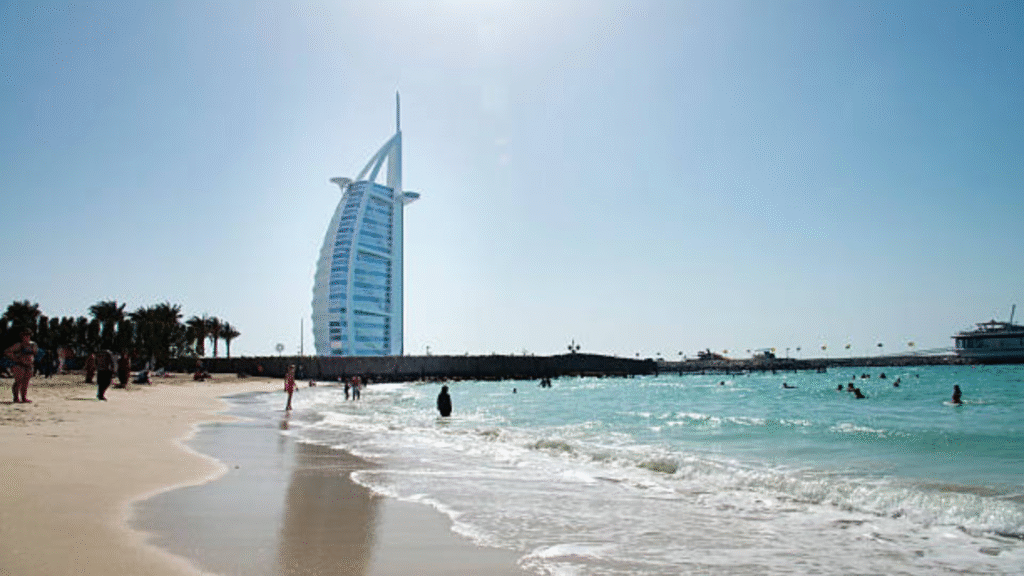
Preliminary reports indicate that Issac suffered a cardiac arrest underwater after experiencing difficulty in breathing. However, whether this was triggered by faulty equipment, underlying health conditions, or an error in training remains to be clarified by the investigation. The family, meanwhile, is cooperating fully with the authorities and awaiting the necessary documents for repatriating Issac’s body to India for final rites.
Community Support and Reflection on Safety Practices
The death of Issac Paul Olakkengil has rippled through the Indian expatriate community in the UAE. Social media platforms and local news outlets have been flooded with condolences and tributes to the young engineer. Many who knew him described him as humble, intelligent, and full of life. His death has brought forward a collective sense of grief among friends, colleagues, and fellow Indians residing in the Gulf region.
Beyond personal sorrow, the incident has also ignited serious concerns over the safety measures in place for recreational activities like scuba diving. While Jumeirah Beach is a popular and generally well-regulated location for water sports, this tragic event has raised questions about how beginner training sessions are conducted. Were the divers adequately briefed? Was the equipment tested? Were the instructors sufficiently trained to handle emergencies?
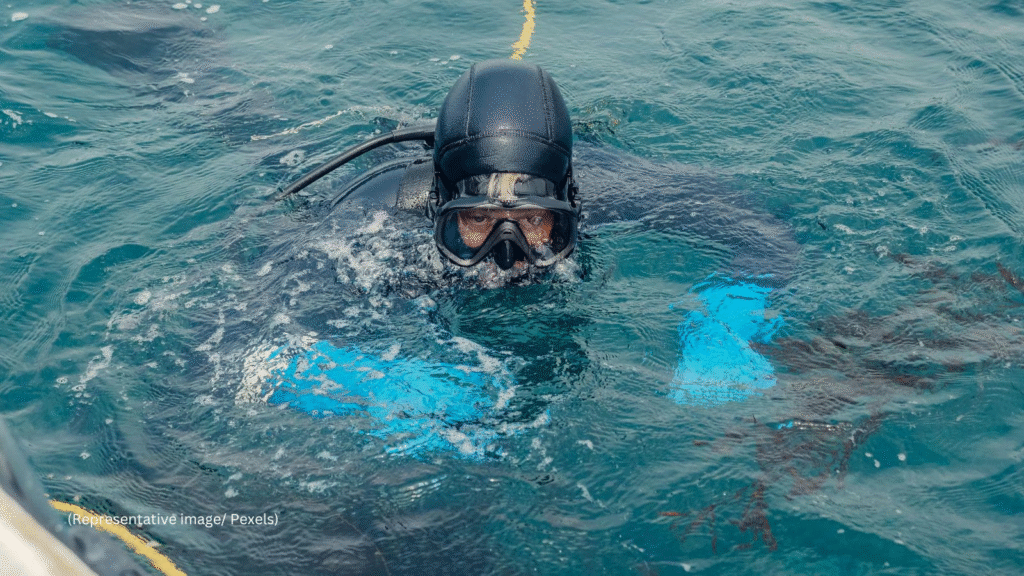
Experts believe that scuba diving, though thrilling, demands strict adherence to safety guidelines, especially for first-time divers. Panic attacks, equipment failure, and even subtle medical issues can quickly escalate into life-threatening situations underwater. Instructors and operators are expected to ensure rigorous safety checks and provide extensive orientation before allowing anyone into the water. While official training agencies usually follow international safety standards, lapses can and do occur.
This incident has thus served as a wake-up call for diving operators across the UAE and possibly elsewhere. Regulators may need to reassess existing guidelines, mandate more frequent checks on diving gear, and enforce better emergency protocols to prevent similar tragedies in the future. It is also crucial for participants to disclose any medical history or potential risks before diving—something that might not always be done honestly or diligently.
Issac’s passing is not just a personal loss for his family but also a reminder of the risks that come with even the most seemingly harmless recreational activities. The hope now is that his story will serve to prevent future mishaps by compelling authorities and operators to revisit their safety standards.
As the family prepares to repatriate Issac’s remains back to Kerala, their grief is joined by that of two countries—India and the UAE—united in mourning the untimely loss of a bright young life. His wife Reshma and brother Ivin, who shared his final moments, will carry the emotional scars of that day for the rest of their lives. And for those who never met him, Issac’s story will linger as a cautionary tale and a plea for better preparedness when engaging with the deep blue sea.