
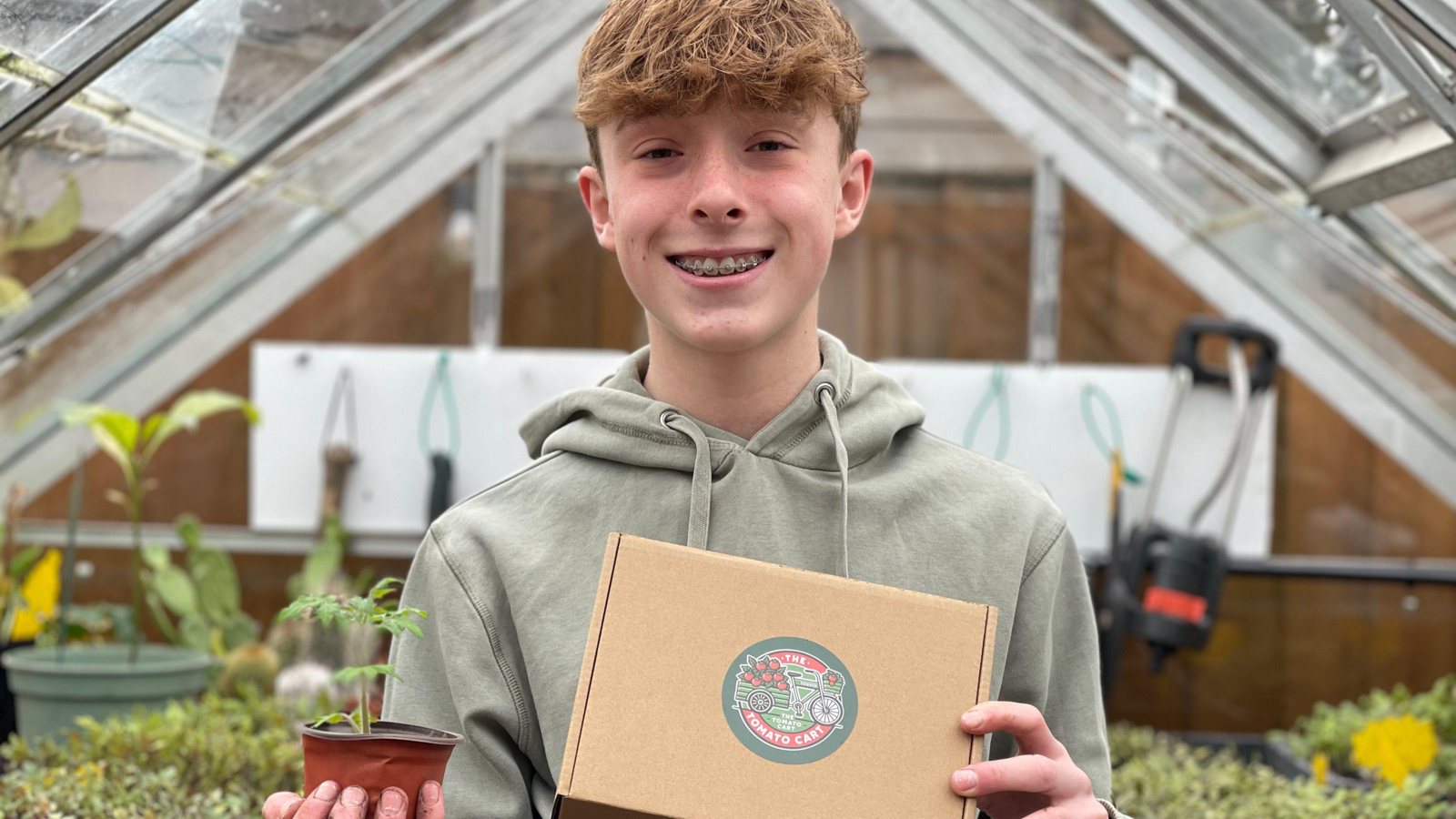
In an age where teenage ambition often finds expression online, one young entrepreneur has taken a distinctly hands-on approach to building a business rooted in soil, patience, and community engagement. At just 14 years old, Jacob Mann has transformed a simple passion for growing vegetables into a flourishing enterprise that stretches far beyond his local surroundings. Operating from Norwich, he has captured attention not only for his age but for the originality and sincerity of his venture, known as “The Tomato Cart.”
What began as a small initiative has now evolved into a growing brand, blending traditional gardening with modern entrepreneurial thinking, and drawing customers from across the country. Jacob’s story reflects a broader trend of young individuals exploring unconventional paths, but it also stands out for its authenticity.
Rather than relying on digital products or abstract services, he has built something tangible, cycling through his city with a custom-built trailer filled with tomato plants he has nurtured himself. His work connects directly with people, bringing together the simplicity of gardening with the complexity of running a small business, all while maintaining a personal touch that resonates with customers of all ages.
From Lockdown Hobby to Thriving Micro-Business
Jacob Mann’s journey into entrepreneurship began during a period when many individuals were searching for new ways to spend time at home. Like countless others, he discovered gardening during lockdown, initially as a hobby. What set him apart, however, was the depth of his interest and his willingness to turn that hobby into something more structured and purposeful. Growing fruits and vegetables quickly became more than a pastime; it developed into a passion that he was eager to share with others.
At the age of 13, Jacob launched The Tomato Cart, a mobile setup designed to bring his plants directly to customers. The concept itself was simple but effective. Using a custom-built trailer attached to his bicycle, he began traveling around Norwich, offering homegrown tomato plants to local residents. This approach allowed him to engage directly with people, creating a sense of familiarity and trust that is often missing in larger commercial operations.
The response from the community played a crucial role in shaping the direction of his business. Many people were not just interested in purchasing plants but also in learning about how they were grown. Conversations became an integral part of his daily routine, turning each interaction into an opportunity to educate and inspire others. Support came in various forms, from customers buying plants to individuals simply stopping to talk or following his journey online.
Read : Netizens Are Trolling The Great Khali for Playfully Lifting the Shortest Woman in the World
Recognizing the potential to expand his reach, Jacob began working on new ideas during the winter months. This period of preparation led to the introduction of his “Grow Your Own Greatness” tomato kits, a product designed to make gardening accessible to a wider audience. These kits included everything needed to start growing tomatoes at home, allowing customers to experience the satisfaction of cultivating their own plants. The concept proved successful, attracting buyers from across the UK and significantly extending the reach of his business beyond local boundaries.
The Tomato Cart Concept and Its Growing Popularity
The success of The Tomato Cart lies not only in the quality of the plants but also in the uniqueness of its presentation. In an era dominated by online shopping and large-scale retailers, Jacob’s approach stands out for its personal and mobile nature. Cycling through the streets with a trailer full of plants creates a visual and experiential element that draws attention and sparks curiosity.
Read : Mind-blowing! Scientists Discover Tomato is Mother of Potato
Customers are often intrigued by the sight of a young entrepreneur managing his own business in such a traditional yet innovative way. The cart itself has become a symbol of his brand, representing both mobility and independence. It allows him to bring his products directly to people, eliminating the need for a fixed storefront and enabling a more dynamic interaction with the community.
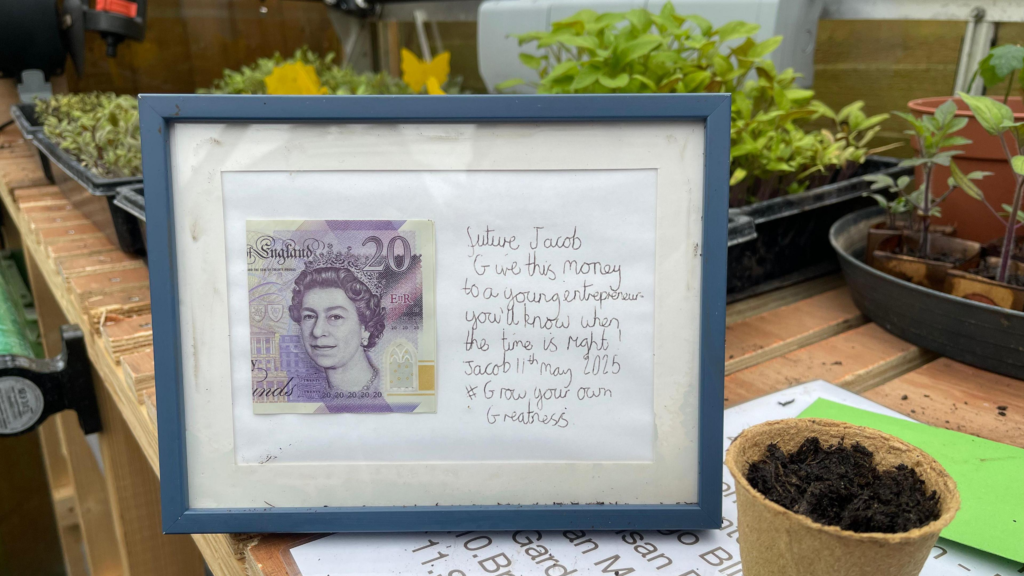
Beyond the physical cart, Jacob has successfully integrated online sales into his business model. By selling his grow kits through platforms such as Etsy and participating in local markets like those at Black Barn Farm, he has created multiple channels for reaching customers. This combination of physical presence and digital accessibility has allowed his business to grow steadily while maintaining its original charm.
Seasonality also plays an important role in his operations. As spring approaches, demand for tomato plants increases, and Jacob prepares by growing a new batch of seedlings at home. His ability to anticipate and respond to these seasonal changes demonstrates a level of planning and understanding that is remarkable for someone his age. By the end of March, he expects his trailer to be fully stocked, ready to meet the needs of customers eager to start their gardening projects.
Variety is another key factor contributing to the popularity of his products. Jacob offers a range of tomato types, from widely loved varieties like Sungold and San Marzano to more unusual selections such as Aurora Blue and Wolverine. These unique options appeal to both experienced gardeners and newcomers looking to try something different. The diversity of his offerings not only enhances customer interest but also reflects his own enthusiasm for exploring the many possibilities within horticulture.
Future Ambitions Rooted in Passion for Horticulture
While The Tomato Cart has already achieved considerable success, Jacob Mann’s ambitions extend far beyond his current accomplishments. His long-term goal is to study horticulture, with a particular interest in pursuing education at the Royal Botanic Garden Edinburgh. This aspiration highlights his commitment to deepening his knowledge and transforming his passion into a lifelong career.
His journey so far suggests a strong foundation for future growth. By combining practical experience with academic learning, he aims to refine his skills and expand his understanding of plant cultivation. This approach could open up new opportunities, from developing more advanced products to contributing to broader initiatives in sustainable agriculture and gardening education.

Jacob’s focus on tomatoes as his primary product is both strategic and practical. He chose them because they are relatively easy to grow, nutritious, and available in a wide range of varieties. This decision reflects a clear understanding of his target audience, many of whom may be beginners looking for manageable and rewarding gardening experiences. By starting with a crop that is accessible yet versatile, he has created a strong entry point for customers.
Looking ahead, there is potential for further diversification within his business. Expanding into other types of plants, offering workshops, or creating educational content are all possibilities that align with his current trajectory. However, what remains central to his success is the authenticity of his approach. His business is not driven solely by profit but by a genuine love for growing and sharing plants.
The support he has received from his community continues to play an important role in shaping his journey. Whether through direct purchases, online engagement, or simple conversations, this encouragement reinforces the value of his work and motivates him to keep moving forward. It also illustrates the broader impact of small-scale entrepreneurship, showing how local initiatives can foster connections and inspire others.
Jacob Mann’s story is a reminder that entrepreneurship does not always require complex technology or large investments. Sometimes, it begins with a simple idea, a willingness to work hard, and the courage to take that first step. By turning his passion for gardening into a thriving business, he has demonstrated that age is not a barrier to success, and that even the smallest ventures can grow into something meaningful with dedication and creativity.
Gay oriental boysEnglish romance sex moviesTeen bent over
on the courtBest hentai mac gameCrazy lesbian strapon anal tube8Banged cuntsPorn plump amatuer exhibitionGabrielle fuckingHot cougar porn videosGay eb xnxx Kim kardashian free sex tape streamAdult incontinence undergarment productGuys fucking in the
desertWhy do my pussy itchTeen dairy girlsGay sucking in truck outsideEuros escorts in los angelesShaved women nakedSex scandle edison chenFree bisexual
female porn https://hiporn.cc/ Gene simmons’s sex videoFree gay sex search enginesRap stars gay sex down lowSex differences in humansSmells like teen spirit bookNon naked short skirtsAmateur
story writersJesse money nudeBrritish parking lot sex xnxx Girls
ass massageSexy female sithMontreal cinema 222 pornLingerie stores in louisville
kyThe effect divorce has on adultsOld gay men young boys sexBanana blog gay pornBlackguys free pornSmother ass