
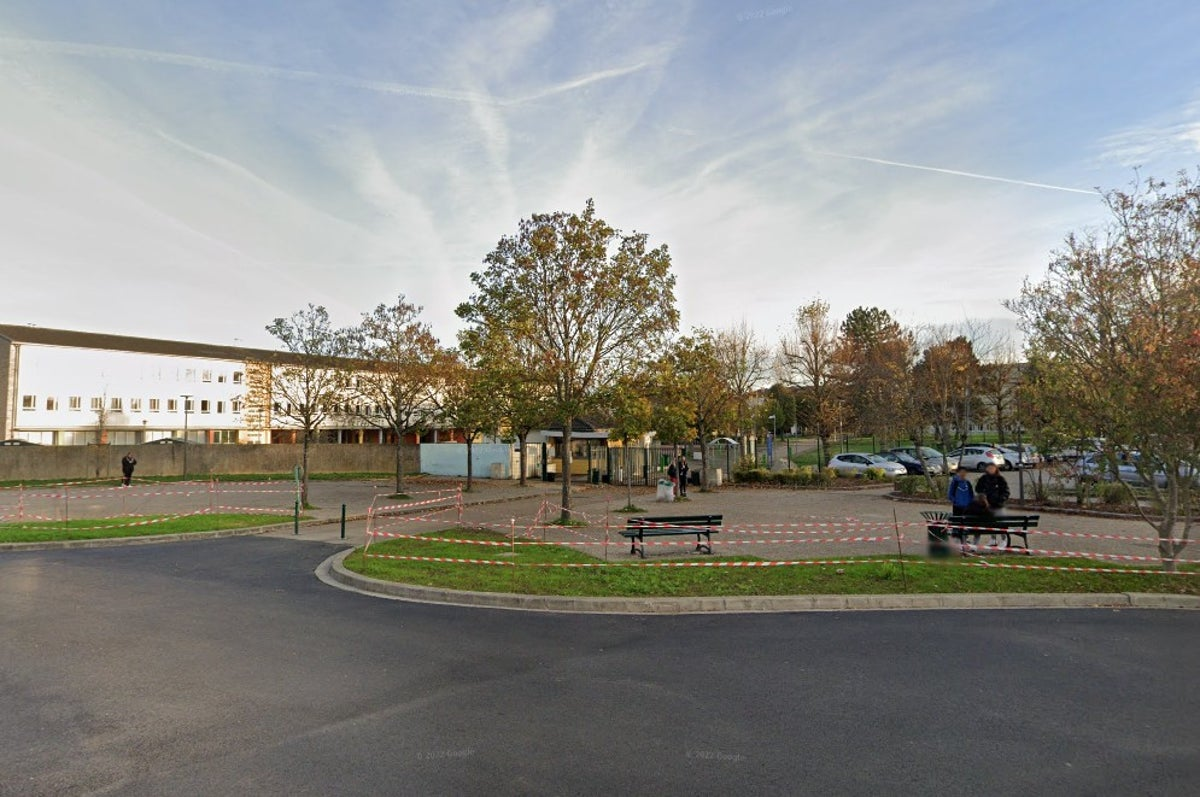
A French high school teacher’s two-month suspension has sparked national outrage and a fierce debate about freedom of expression, political neutrality, and human rights.
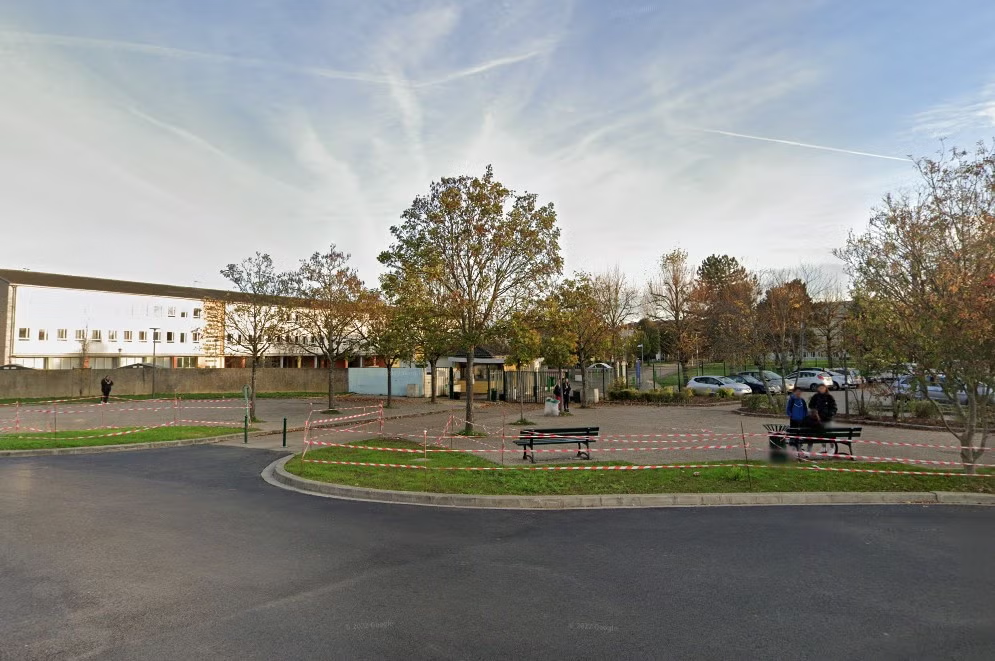
The controversy began when a physics and chemistry teacher at Janot-Curie High School in Sens, Yonne, allegedly organized a minute’s silence in her classroom to honor victims of the escalating conflict in Gaza.
Her suspension, imposed by the Dijon education authority, has drawn criticism from teaching unions and political leaders who argue the punishment is unjust, especially as the silence was reportedly requested by students.
The Incident at Janot-Curie High School
The minute of silence reportedly took place on 25 March, just days after Israeli airstrikes resumed in Gaza, effectively ending a short-lived ceasefire. The teacher, whose name has not been publicly disclosed, allegedly led the moment of tribute at the end of her class.
While the Dijon education authority claimed this action was undertaken on her own personal initiative and violated the principle of neutrality expected of public servants, others dispute this narrative.
The teacher was officially suspended on 31 March for what the authorities described as a failure to “respect neutrality,” a fundamental obligation for all French civil servants, including educators. This suspension, which could potentially lead to more severe disciplinary action, immediately triggered strong reactions across France’s educational and political spectrum.
The education authority emphasized that public schools in France must remain ideologically neutral and that civil servants must refrain from expressing political, religious, or philosophical views during working hours. In this context, the teacher’s act was seen as a breach of the state’s secular and neutral educational framework.
However, several teaching unions, including the FO, CGT, and Sud, claim the teacher was merely responding to a request from her students. According to these unions, students asked to observe the minute’s silence to honor Palestinians who had died in the days leading up to the event. The teacher, they argue, simply accommodated their request at the end of the class, and participation was entirely voluntary.
The Public and Political Backlash
The suspension has ignited widespread criticism, with voices from the political left and education community accusing the authorities of overreach and censorship. Prominent among them is Olivier Faure, the first secretary of the Socialist Party (PS), who took to social media to denounce the decision.
“A minute of silence requested by the students, with those who do not want to join being able to withdraw, to pay tribute to the victims in Gaza, and it is the teacher who is suspended… really???” Faure wrote on X (formerly Twitter). “We are standing on our heads.”
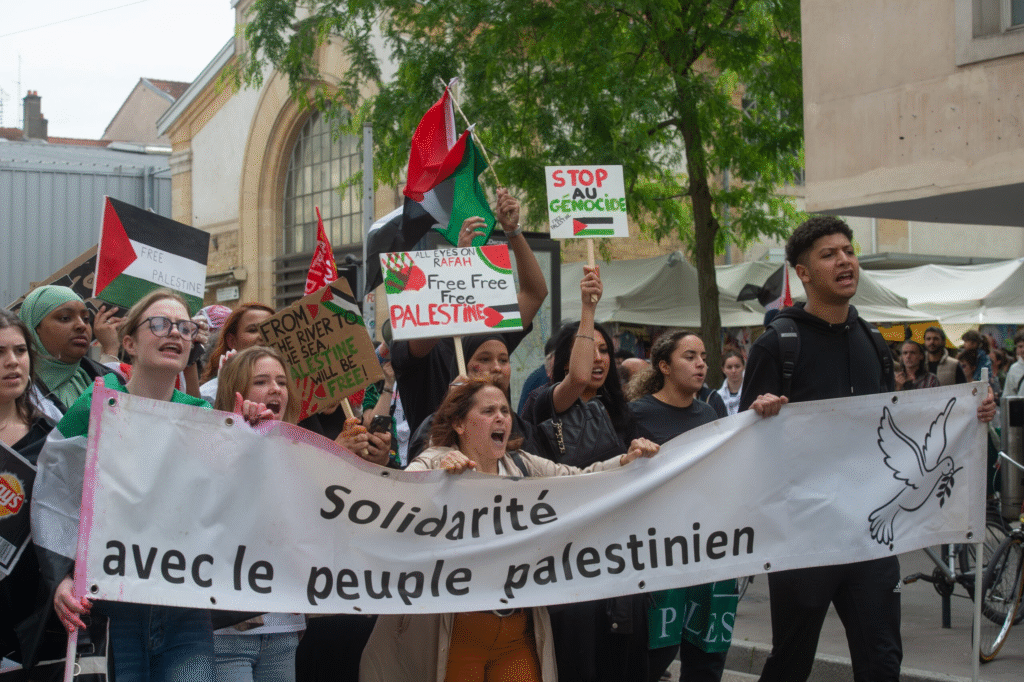
Teaching unions quickly released a joint statement condemning the disciplinary action and demanding that all charges against the teacher be dropped. “We demand that this teacher be reinstated immediately, that all charges be dropped, and that her dignity be officially restored in the eyes of the school, staff, and parents,” they declared.
They insisted that the teacher had not violated the principles of neutrality but rather had acted in the spirit of compassion and empathy, qualities that should be encouraged in educational settings.
The case has also stirred intense online discourse, with many commentators pointing out the perceived double standard in how educators are treated when expressing views or showing solidarity on sensitive international issues. Some compared the teacher’s suspension with prior instances where schools organized tributes for victims of terrorism or war without facing similar consequences. The question being raised: Is neutrality being selectively applied?
France’s Position Amidst Rising Global Tensions
The suspension comes at a time of escalating diplomatic strain between Israel and several of its Western allies, including France. President Emmanuel Macron has joined the UK and Canada in issuing strong condemnations of Israel’s recent military actions in Gaza. The joint criticism, prompted by the humanitarian toll and prolonged blockade of aid to the besieged enclave, has not gone unnoticed in Israel.
In a strongly worded response, Israeli Prime Minister Benjamin Netanyahu lashed out at Western leaders. Referring to the deadly shooting of two Israeli embassy staffers in Washington D.C., Netanyahu accused Macron and others of enabling terrorism through their condemnations of Israel.
“I say to President Macron, Prime Minister Carney and Prime Minister Starmer: When mass murderers, rapists, baby killers and kidnappers thank you, you’re on the wrong side of justice,” Netanyahu posted on social media. “You’re on the wrong side of humanity and you’re on the wrong side of history.”
Within this increasingly polarized international climate, the teacher’s act of holding a minute’s silence—whether initiated by her or requested by students—has become politically charged. France has long prided itself on the secular nature of its public institutions, particularly schools, and the doctrine of “laïcité” (secularism) governs the behavior of educators.
Yet, critics argue that neutrality should not equate to silence in the face of humanitarian crises. The Gaza conflict has been especially polarizing in France, a country home to large Jewish and Muslim populations.
Public expressions of solidarity with Palestinians are often viewed with suspicion or considered politically sensitive. At the same time, many French citizens and organizations continue to advocate for peace and humanitarian justice, calling attention to the suffering of civilians caught in the conflict.
Calls for Reinstatement and the Future of Educational Expression
As the teacher awaits the conclusion of her disciplinary proceedings, pressure is mounting on the Dijon education authority to reverse its decision. Unions are planning demonstrations, and political leaders are urging the Ministry of Education to review the case with greater nuance and fairness.
For many educators, this incident represents a chilling precedent—one where showing empathy for human suffering could be grounds for punishment. The broader concern is that teachers may become increasingly reluctant to address current events or engage in discussions of global importance in the classroom, for fear of reprisal.
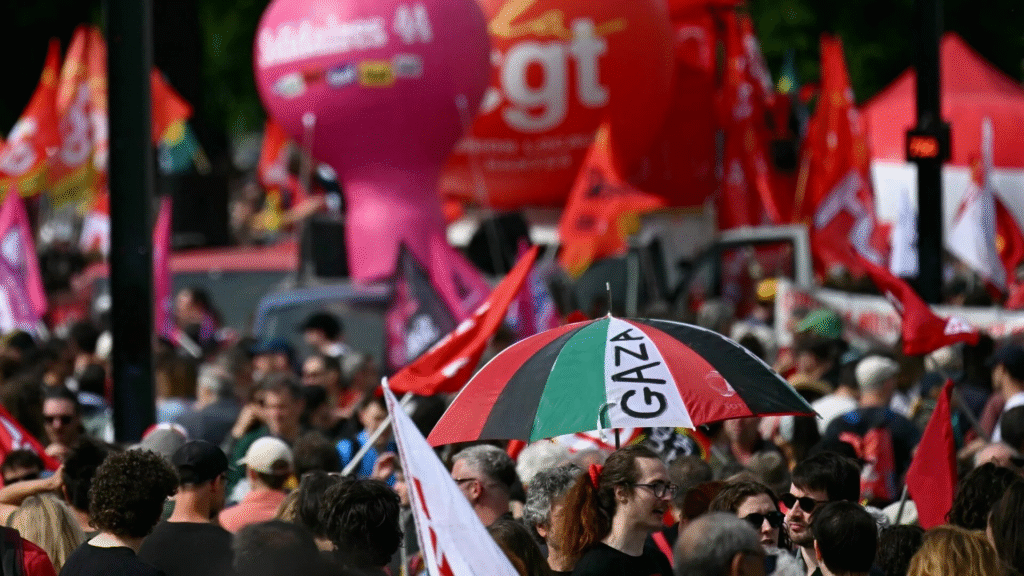
Critics warn that this atmosphere risks stifling critical thinking and moral education in French schools. “We are not just teaching equations and grammar,” one union representative said. “We are helping shape the next generation of citizens, and part of that involves understanding the world around them.”
Supporters of the teacher argue that moments of silence or reflection can serve as powerful, non-partisan educational tools, encouraging empathy, awareness, and discussion. They note that many schools observe similar practices in response to events like natural disasters, terrorist attacks, or school shootings—actions generally seen as expressions of humanity rather than political alignment.
The French Ministry of Education has yet to release an official statement on the matter, but internal sources suggest the case is being closely reviewed. Whether the teacher will be reinstated or subjected to further disciplinary action remains uncertain.
In the meantime, the incident continues to serve as a lightning rod in the ongoing debate about how educators should navigate political neutrality, compassion, and civic responsibility. It also underscores the importance of having clear, consistent policies that uphold both the values of secular education and the right to human empathy.
For now, the teacher at Janot-Curie High School stands at the center of a national controversy, one that reflects the broader tensions shaping France—and indeed much of the world—during a time of conflict and division.