

For more than a decade, Jasmine Ramirez’s life was shaped by a medical condition so rare that physicians have been unable to give it a definitive name. Beginning when she was just two years old, Jasmine’s left leg started growing at an abnormal and relentless rate, far outpacing the rest of her body. What initially appeared manageable gradually became overwhelming, altering nearly every aspect of her daily life.
By the time she reached her teenage years, the extraordinary growth had forced her into a wheelchair and ultimately led her family and doctors to make the painful decision to amputate the limb in a marathon surgical procedure that lasted nearly 17 hours. Jasmine Ramirez, now 14, lives in Florida and has been described by her family as creative, brave, and full of light despite the physical and emotional challenges she has endured.
Her journey illustrates the complexities of treating ultra-rare medical conditions, the limits of current medical knowledge, and the profound impact such illnesses have not only on patients but also on their families. The surgery, performed at Johns Hopkins All Children’s Hospital in St Petersburg, marked a turning point in her long medical journey, offering hope for improved quality of life after years of escalating complications.
A Childhood Marked by a Mysterious and Relentless Condition
Jasmine Ramirez’s condition first became noticeable when she was a toddler. From an early age, her left leg began to grow faster and larger than the rest of her body. According to her family, the overgrowth did not affect just one type of tissue. Her arteries, veins, bone, fat, and surrounding mass all expanded at an abnormal rate, making the limb progressively heavier and more difficult to manage. Doctors initially classified the issue as a lymphomatous tumor, a diagnosis that allowed them to monitor and attempt to manage the growth, even though it did not fully explain the underlying cause.
During her early years, Jasmine Ramirez was still able to walk. As the leg continued to enlarge, however, mobility became increasingly difficult. Over time, the sheer size and weight of the limb made walking impossible, and she was eventually confined to a wheelchair. Everyday tasks that most children take for granted, such as attending school, playing with friends, or simply moving freely around her home, required significant adjustments. Even clothing became a challenge, as her family had to have garments specially tailored to accommodate the size of her leg.
Throughout her childhood, Jasmine Ramirez underwent multiple hospital stays and surgical procedures aimed at slowing or managing the growth. None were able to stop it entirely. The rarity of her condition meant there was no established treatment pathway and limited data to guide doctors. Each medical decision was made cautiously, balancing potential benefits against risks in a situation where outcomes were uncertain. For Jasmine and her family, this uncertainty became a constant presence, shaping years of difficult choices and emotional strain.
Great news! After a 17-hour surgery, our friend Jasmine is now free of a leg that weighed 174 pounds! Her rare condition is being studied – and will hopefully one day lead to a diagnosis. Read more on the family's GoFundMe – https://t.co/YKOhAkcDOb pic.twitter.com/V8VocBTJnk
— Bradenton Police Department (@BradentonPD) December 15, 2025
Despite these challenges, Jasmine Ramirez’s family emphasizes her resilience. Her sister, Anastashia Ramirez, has spoken publicly about Jasmine’s strength and determination, noting that she continued to face each new obstacle with remarkable courage. That resilience would become especially important as her condition worsened in recent months, leading to the most critical moment of her medical journey so far.
A Life-Threatening Infection and an Unavoidable Decision
The turning point came when Jasmine Ramirez developed an antibiotic-resistant infection in her affected leg. The infection was serious enough to require admission to Johns Hopkins All Children’s Hospital, where doctors warned that it could become life-threatening if not controlled. At this stage, the risks associated with keeping the leg outweighed the potential benefits of continued attempts to manage the condition conservatively.
Read : 31-Year-Old Chloe Mowday in Coma After Minor Cosmetic Surgery Goes Horribly Wrong in Vietnam
For Jasmine’s parents and siblings, the decision to proceed with amputation was devastating. They had spent years pursuing every possible option to preserve the limb, hoping medical advances or new insights might eventually provide an alternative. However, the infection, combined with the immense physical burden of a leg weighing more than 170 pounds, left few realistic choices. The priority shifted from preserving the limb to preserving Jasmine Ramirez’s life and giving her the possibility of a healthier future.

The surgery itself was a monumental undertaking. Lasting approximately 16.5 to 17 hours, it required a large multidisciplinary medical team. Surgeons amputated the leg, which weighed just over 170 pounds, and also removed a tumor from Jasmine’s abdomen during the same operation. The length and complexity of the procedure reflected the extent to which the overgrowth had affected multiple systems within her body, including her vascular and skeletal structures.
Following the surgery, the scale of the change was stark. Jasmine, who had been carrying the weight of the massive limb for years, weighed around 80 pounds after the operation. The immediate postoperative period was closely monitored, as doctors watched for complications and began the process of stabilizing her condition. According to her family, Jasmine began showing signs of improvement soon after, gradually gaining strength and beginning the process of recovery.
Recovery, Family Support, and an Uncertain but Hopeful Path Forward
In the days following the surgery, Jasmine Ramirez’s progress offered cautious optimism. Her sister reported that she was getting out of bed and using a wheelchair as she adjusted to her new physical reality. While the road ahead includes extensive rehabilitation, potential prosthetic fitting, and ongoing medical monitoring, the immediate threat posed by the infection and the excessive weight of the limb has been removed.
Read : 40-Year-Old NYPD Detective Alicia Stone Dies in Colombia a Week After Butt Lift Surgery
The emotional toll on Jasmine Ramirez’s family has been profound. Her parents, who are now providing full-time care, have had to watch their child endure years of pain and uncertainty without clear answers about the cause of her condition. Anastashia Ramirez has spoken about the heartbreak her parents feel, describing the difficulty of doing everything possible while knowing that medicine does not yet have all the answers. The lack of a named diagnosis has added to the sense of helplessness, underscoring how much remains unknown about rare overgrowth disorders.
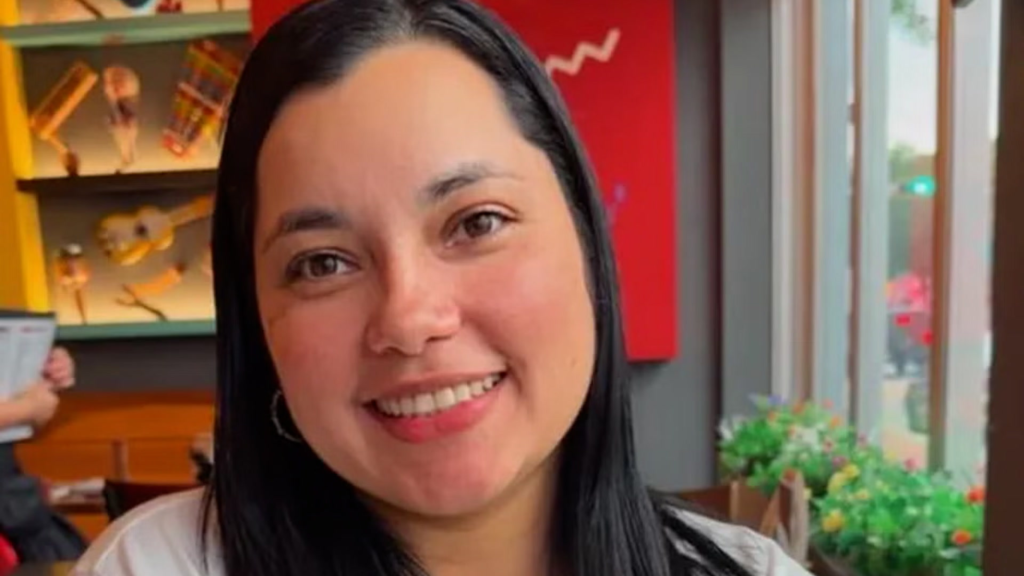
To help cover medical expenses and support the family during Jasmine Ramirez’s recovery, a GoFundMe campaign organized by her sister has raised more than $16,000. The funds are intended to assist with ongoing care, rehabilitation needs, and the financial strain placed on a family caring for a child with complex medical requirements. The response highlights the role that community support often plays when families are confronted with extraordinary medical challenges.
Jasmine Ramirez’s story also draws attention to broader issues within medicine, particularly the difficulties faced by patients with ultra-rare conditions. Without established diagnostic categories or standardized treatments, families and doctors are often forced to navigate uncharted territory. Research into rare diseases is frequently limited by funding and the small number of documented cases, leaving gaps in understanding that can have life-altering consequences.
Even so, those closest to Jasmine Ramirez remain focused on her strength and potential. Her sister has described her as a “superhero,” emphasizing the courage it has taken for a teenager to endure repeated surgeries, long hospital stays, and now the loss of a limb. That perspective reflects a determination to see beyond the hardship toward the possibility of a more independent and fulfilling life.
As Jasmine begins the next phase of her journey, the focus will shift to rehabilitation, adaptation, and long-term health. While many questions remain unanswered about the condition that shaped her childhood, the surgery represents a critical step toward stability. For Jasmine Ramirez and her family, it is not an end, but a difficult and necessary turning point, offering hope that the years ahead may be defined less by medical crises and more by recovery, growth, and resilience.