
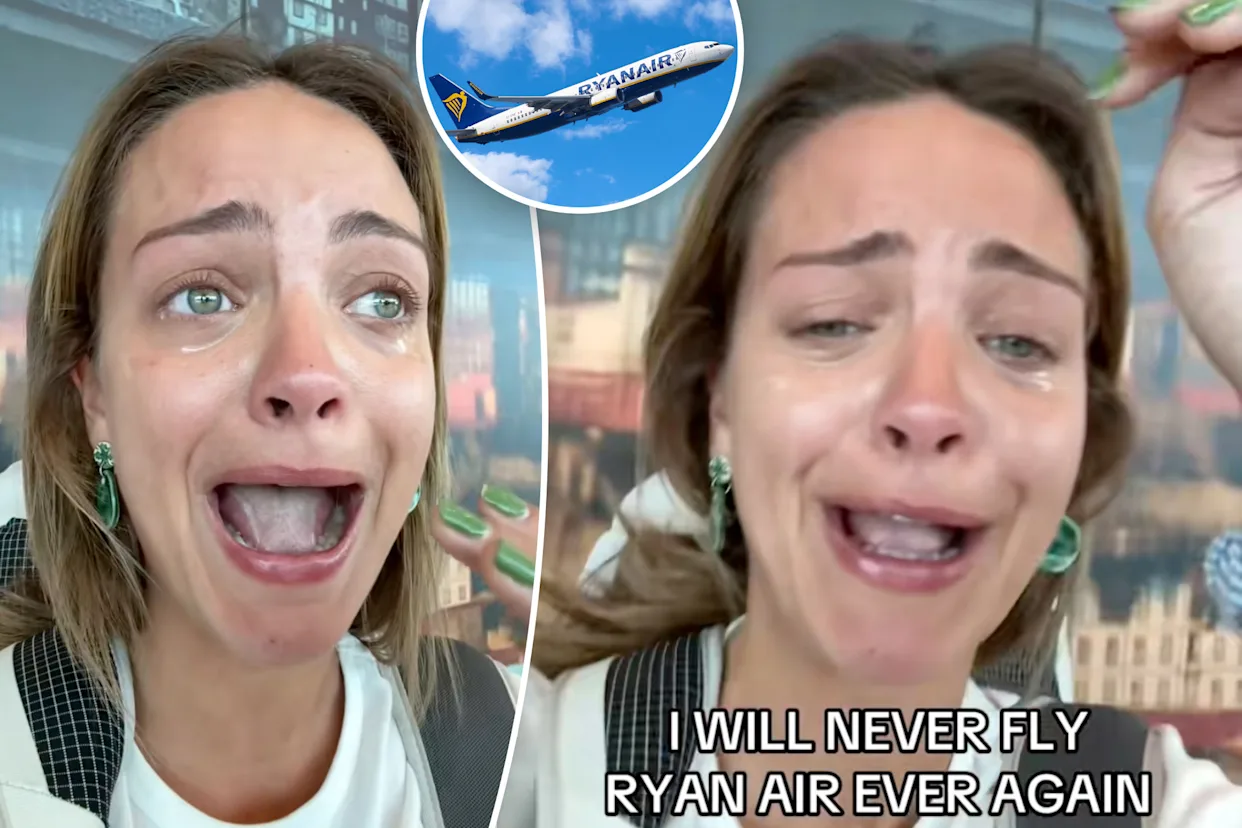
The story of Joleen Weiss has quickly become a widely discussed example of how social media, personal conduct, and public accountability intersect in real time. A Boston-based travel influencer, Joleen Weiss found herself at the center of online backlash after posting an emotional video detailing her removal from a flight following a heated exchange with airline staff.
What began as a stressful travel day escalated into a viral controversy, drawing millions of viewers and sparking debate over passenger behavior, airline policies, and the limits of customer entitlement. The incident, which unfolded at an airport in Porto, Portugal, highlights the growing scrutiny influencers face when personal disputes are broadcast to large audiences expecting relatability but often demanding accountability.
The Incident That Sparked Viral Backlash
According to Joleen Weiss’ own account, the situation began with a series of travel setbacks that left her running late for her flight. She described struggling to check her baggage in time and rushing through the airport while filming the experience for her social media audience. As a content creator, documenting such moments is often part of building engagement, but in this case, it proved to be a turning point.
Weiss claimed that she was stopped by a gate agent who objected to her filming in the boarding area and demanded that she delete the footage. The interaction quickly became tense, with Joleen Weiss alleging that she was required not only to delete the video but also to remove it from her phone’s “recently deleted” folder as proof. While such requests can be linked to airport security and privacy policies, Weiss portrayed the demand as excessive and intrusive.
After complying, she said she was directed to pay an additional fee for her carry-on baggage, which had not been checked in earlier due to her late arrival. She paid the fee, believing the situation had been resolved. However, as she approached the boarding process, frustration appeared to boil over. Weiss admitted to calling the gate agent a derogatory term, expressing her anger over what she perceived as poor treatment.
Read : Teardrop Island Tales: Discovering the Beauty of Sri Lanka’s Landscapes
That moment proved decisive. According to her retelling, the airline staff immediately denied her boarding following the verbal insult. Despite having paid the baggage fee and being moments away from entering the aircraft, she was barred from the flight entirely. Her emotional reaction, captured on video shortly afterward, formed the basis of the viral clip that would define the controversy.
A Social Media Persona Meets Public Scrutiny
Weiss’ online presence played a central role in how the incident unfolded publicly. With an audience reportedly exceeding two million viewers, her decision to share a tearful account of the experience was likely intended to highlight what she saw as unfair treatment. In the video, she described the airline staff as rude and unprofessional, framing herself as a customer mistreated during an already difficult day.
However, the response from viewers diverged sharply from what she may have expected. Rather than sympathy, many commenters criticized her behavior, particularly her use of abusive language toward airline staff. The incident quickly became less about airline service and more about personal accountability. Viewers pointed out that regardless of the circumstances, verbal abuse toward employees is widely considered unacceptable.
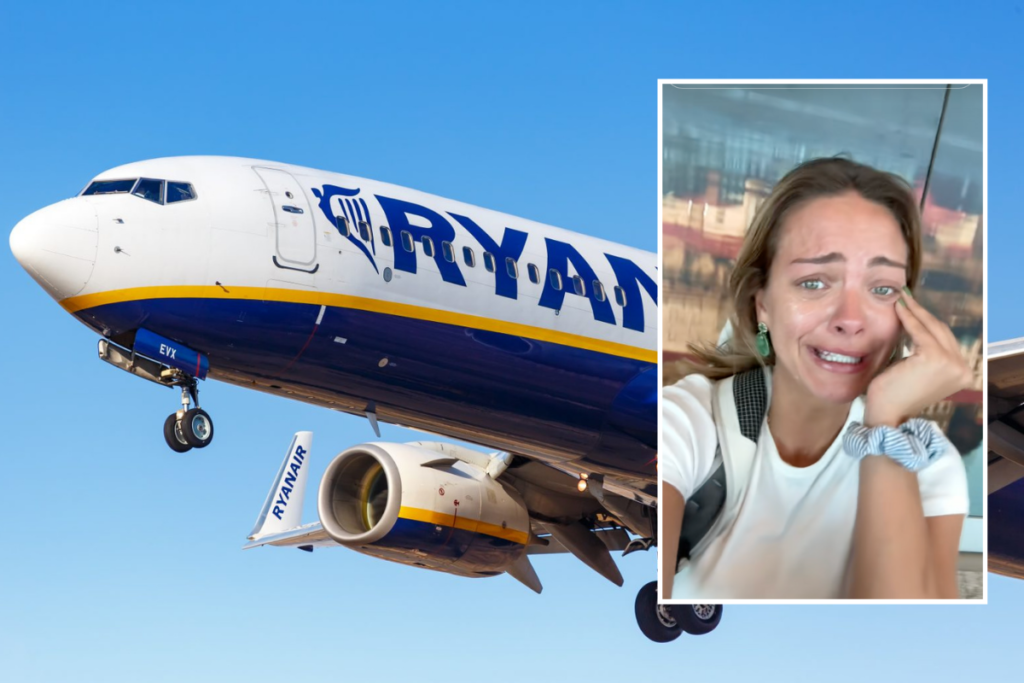
The contrast between Weiss’ self-description as a positive and kind individual and her admitted actions became a focal point of criticism. Social media users often scrutinize authenticity, and in this case, many perceived a disconnect between her stated persona and her behavior in the situation. This gap amplified the backlash, as audiences increasingly expect influencers to model the values they promote.
The viral nature of the video also illustrates the risks associated with documenting real-time emotional experiences. While authenticity can strengthen audience connection, it can also expose individuals to immediate and widespread judgment. In Weiss’ case, the raw, unfiltered nature of her response may have intensified the reaction, as viewers were able to assess her tone, language, and demeanor directly.
Customer Conduct, Airline Policies, and Broader Implications
The incident raises broader questions about the expectations placed on both customers and service providers in high-pressure environments like airports. Airlines operate under strict timelines and safety protocols, leaving little room for deviations or confrontations. Staff members are typically trained to enforce rules consistently, particularly when it comes to boarding procedures, baggage policies, and behavior standards.
Read : Fitness Influencer Roberto Cunha Lima Shot Dead Outside Gym
Verbal abuse toward staff is generally considered grounds for refusal of service, a policy that many airlines enforce to maintain order and safety. In this context, the decision to deny Weiss boarding aligns with standard industry practices. While passengers may feel frustrated by delays, fees, or perceived unfair treatment, airlines often prioritize maintaining a controlled and respectful environment over accommodating disruptive behavior.
At the same time, the situation highlights the emotional strain that travel disruptions can place on individuals. Delays, unexpected charges, and time pressure can create a sense of urgency and frustration, sometimes leading to impulsive reactions. However, the widespread response to Weiss’ video suggests that public tolerance for such reactions is limited, particularly when they involve disrespect toward service workers.
The phrase “the customer is not always right,” echoed by many online commenters, reflects a shifting cultural attitude. Increasingly, there is recognition that service employees deserve respect and protection from abuse, even in challenging customer interactions. This shift is especially visible on social media, where public opinion can quickly form and spread.
For influencers, the incident serves as a reminder of the responsibilities that come with a large platform. Sharing personal experiences can foster connection, but it also invites scrutiny. Audiences often evaluate not only the situation being described but also the behavior of the person presenting it. In this case, Weiss’ attempt to highlight poor service instead prompted a broader conversation about personal accountability and respect.
The episode also underscores the permanence of digital content. Once shared, videos and statements can be widely disseminated, analyzed, and remembered. For public figures and content creators, this permanence adds another layer of complexity to how they navigate conflicts and communicate with their audience.
Ultimately, the story of Joleen Weiss is less about a single missed flight and more about the dynamics of modern public life. It illustrates how quickly personal moments can become public debates, how audiences interpret and judge behavior, and how expectations around respect and accountability continue to evolve in the age of social media.