
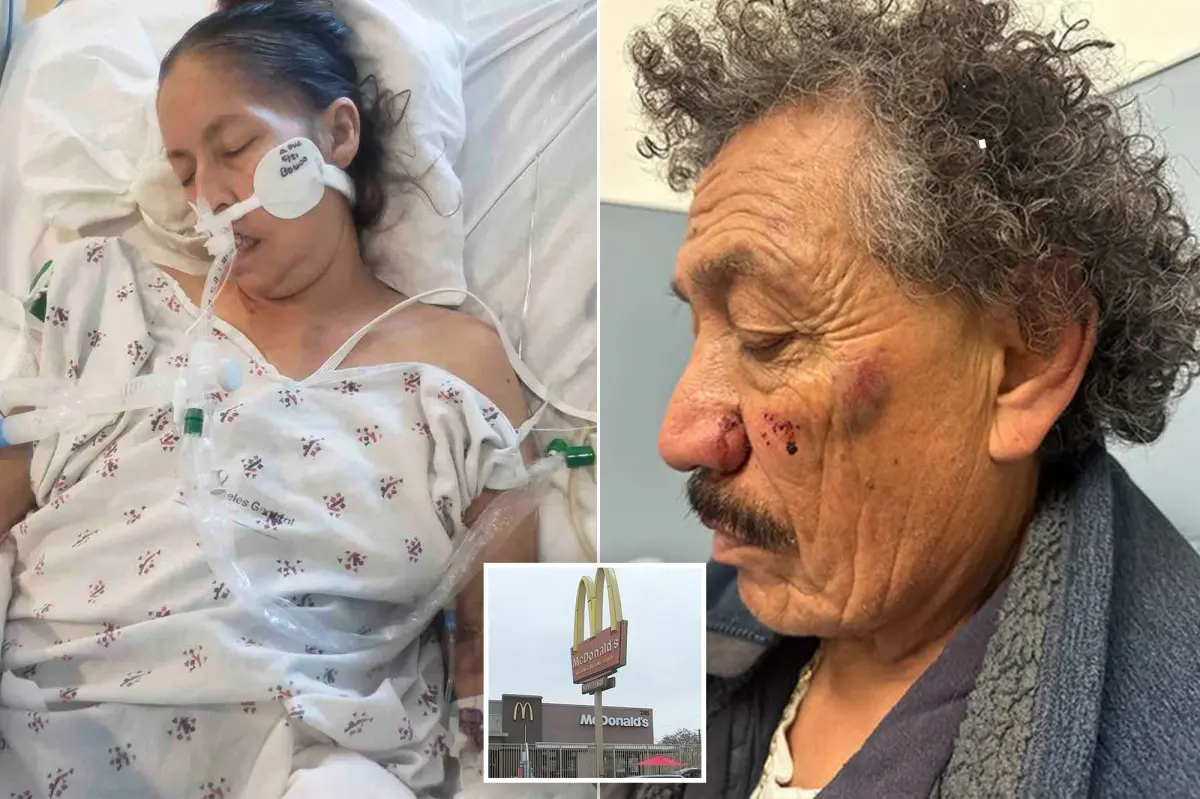
A wrongful death lawsuit filed in Los Angeles County has brought renewed scrutiny to the responsibilities of fast-food operators to protect customers on their premises, particularly in neighborhoods where safety concerns are long-standing. Jose Juan Rangel alleges that his wife, Maria Vargas Luna, died after a violent confrontation at a McDonald’s drive-thru in Boyle Heights, and that restaurant employees failed to intervene or take basic steps to remove what the suit describes as a “known vagrant” from the property before the encounter escalated.
The case, rooted in a March 2024 incident that left Luna with fatal head injuries, raises questions about foreseeability, premises liability, and whether businesses can be held accountable for inaction amid repeated safety complaints. McDonald’s, through the local owner-operator, disputes the allegations and says it will respond through the courts.
The Drive-Thru Incident and the Events Leading to Maria Vargas Luna’s Death
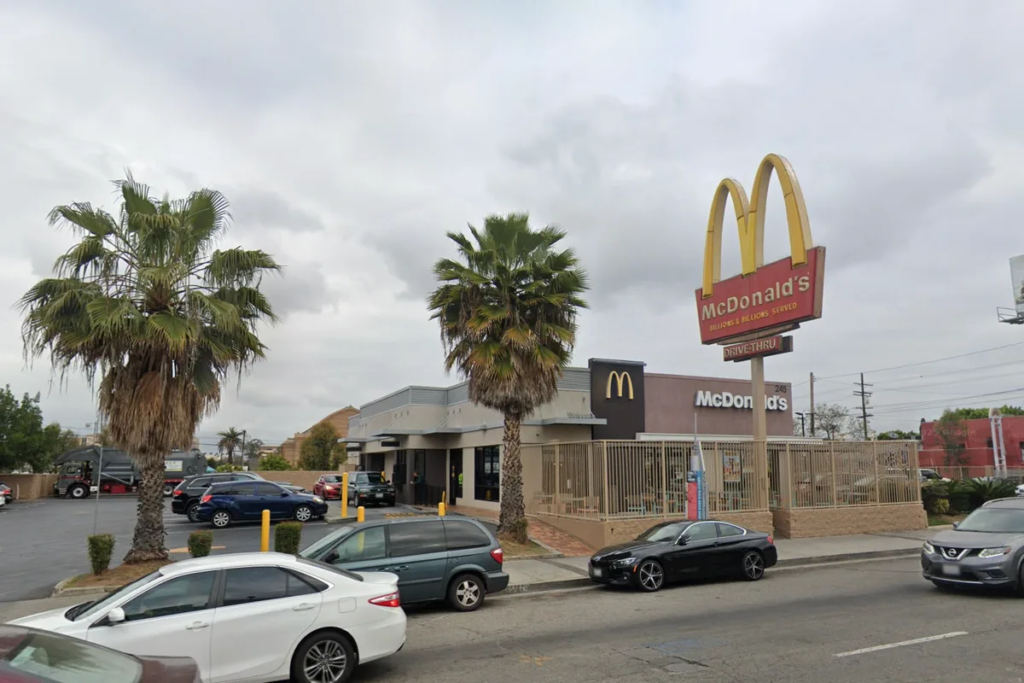
According to the complaint, the incident occurred on March 9, 2024, at a McDonald’s location in Boyle Heights, Los Angeles, as Jose Juan Rangel and his wife were ordering food at the drive-thru. The lawsuit alleges that Charles Cornelius Green Jr., described as a “known vagrant” who frequented the restaurant, approached the couple’s vehicle while they were at the ordering window. The suit claims Green Jr. initiated an unprovoked confrontation, directing aggressive behavior toward both occupants of the car.
Rangel is said to have exited the vehicle in an attempt to confront or defuse the situation. The complaint states that Maria Vargas Luna, who was partially blind, then left the car to assist her husband. During the encounter, Luna was allegedly pushed to the ground, striking her head on the asphalt. The fall reportedly caused immediate and severe injury, including head trauma that led to cardiac arrest at the scene.
Emergency responders arrived after Luna lost consciousness. Medical personnel later determined that she had suffered significant brain damage as a result of the impact. Luna was placed on life support and remained hospitalized for several months. Despite ongoing medical care, she ultimately died from complications related to her injuries.
Read : AAAAA-Rating Chinese Waterfall Comes Under Scrutiny as Video Shows Water Flowing from Pipes
The lawsuit emphasizes that the fatal injuries were not the result of a prolonged fight but stemmed from a sudden fall during a chaotic encounter that the plaintiffs argue could have been prevented. Rangel’s attorneys contend that the restaurant’s failure to manage a known safety risk created the conditions that allowed the confrontation to occur in the first place.
Criminal Charges and the Basis of the Civil Lawsuit
Following the incident, Charles Cornelius Green Jr. was arrested and charged by the Los Angeles County District Attorney’s office with one felony count of battery and one misdemeanor count of battery. According to statements later cited in media reports, prosecutors ultimately dropped the felony charge after determining that Luna’s fatal injuries resulted from an accidental fall rather than an intentional act designed to cause severe harm. The misdemeanor battery charge remained.
Read : John McDonald Jailed for Running Over and Killing 62-Year-Old Suzanne Cherry on Golf Course
While the criminal case focused on Green Jr.’s actions during the altercation, the civil lawsuit filed by Rangel targets the McDonald’s restaurant itself, alleging systemic negligence rather than individual criminal intent. The complaint asserts claims including wrongful death, negligence, negligent infliction of emotional distress, and negligent hiring and supervision. Central to these claims is the assertion that the restaurant had prior knowledge of safety issues involving Green Jr. and failed to act.
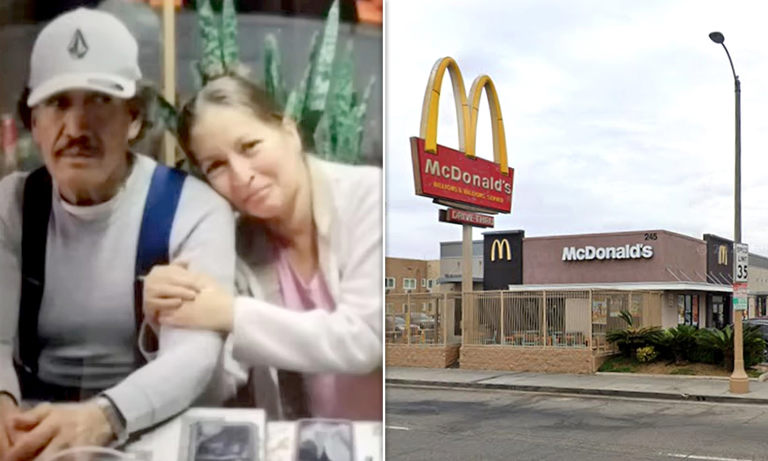
Rangel’s lawsuit states that the Boyle Heights McDonald’s was “notorious in the community for ignoring the safety of its paying customers,” alleging that employees and management were aware of repeated disturbances on the property. The suit argues that the restaurant had both the means and the responsibility to prevent the tragedy, whether by contacting law enforcement, enforcing trespass policies, or implementing basic security measures.
The legal theory advanced by the plaintiffs relies on premises liability principles, which generally require businesses open to the public to take reasonable steps to protect customers from foreseeable harm. The complaint alleges that the presence of Green Jr. was a foreseeable risk and that the restaurant’s alleged inaction directly contributed to Luna’s death. Rangel is seeking an undisclosed amount in damages, encompassing economic losses, emotional distress, and other harms arising from the incident.
In addition to the claims related to security and supervision, the lawsuit includes allegations of negligent hiring and training, suggesting that staff were either not properly instructed on how to handle threatening situations or failed to follow established protocols. The plaintiffs argue that this broader pattern of negligence distinguishes the case from an unforeseeable, random act of violence.
McDonald’s Response and the Broader Implications of the Case
McDonald’s has denied the allegations outlined in the lawsuit. Dean Sanchez, the local owner-operator of the Boyle Heights McDonald’s, issued a statement expressing sympathy for Rangel and his family while disputing the factual basis of the claims. Sanchez stated that the restaurant is a family-owned business committed to safely serving the local community and emphasized that, due to ongoing litigation, further comment would be made through the appropriate legal channels.
The company’s response underscores a common defense in premises liability cases: that the facts do not support a finding of negligence and that the business acted reasonably under the circumstances. McDonald’s has indicated it will “respond in full” in court, signaling that it intends to contest the assertion that employees observed the confrontation without intervening or that the restaurant had prior knowledge of a specific threat posed by Green Jr.
Beyond the legal arguments, the case has drawn public attention because of the personal toll described by Luna’s family. While Luna remained on life support, her stepdaughter, Veronica Rangel, spoke publicly about the emotional impact on her father, describing a man struggling to cope with the sudden loss of his wife of 30 years. Family statements portray Luna as having attempted to protect her husband during the encounter, a narrative that has resonated in media coverage of the lawsuit.
From a broader perspective, the case highlights ongoing debates about the role of private businesses in managing public safety, particularly in urban areas where homelessness and mental health issues intersect with commercial activity. Courts have historically balanced the obligation to provide a reasonably safe environment against the practical limits of what businesses can control. The outcome of Rangel’s lawsuit may hinge on whether the court finds that the risk was sufficiently foreseeable and that reasonable measures were available but not taken.
Legal experts note that similar cases often turn on evidence of prior incidents, internal policies, and employee training records. If plaintiffs can demonstrate a pattern of disturbances and a failure to respond, courts may be more inclined to find liability. Conversely, if defendants show that the incident was sudden, unpredictable, and beyond the scope of reasonable preventive measures, liability may be limited.
As the lawsuit proceeds, it is likely to involve detailed examination of surveillance footage, employee testimony, and records of prior complaints or police calls to the location. For Rangel, the case represents an effort to seek accountability for what he alleges was a preventable tragedy. For McDonald’s and other businesses, it serves as a reminder of the legal and reputational risks associated with security practices and customer safety in high-traffic public settings.