
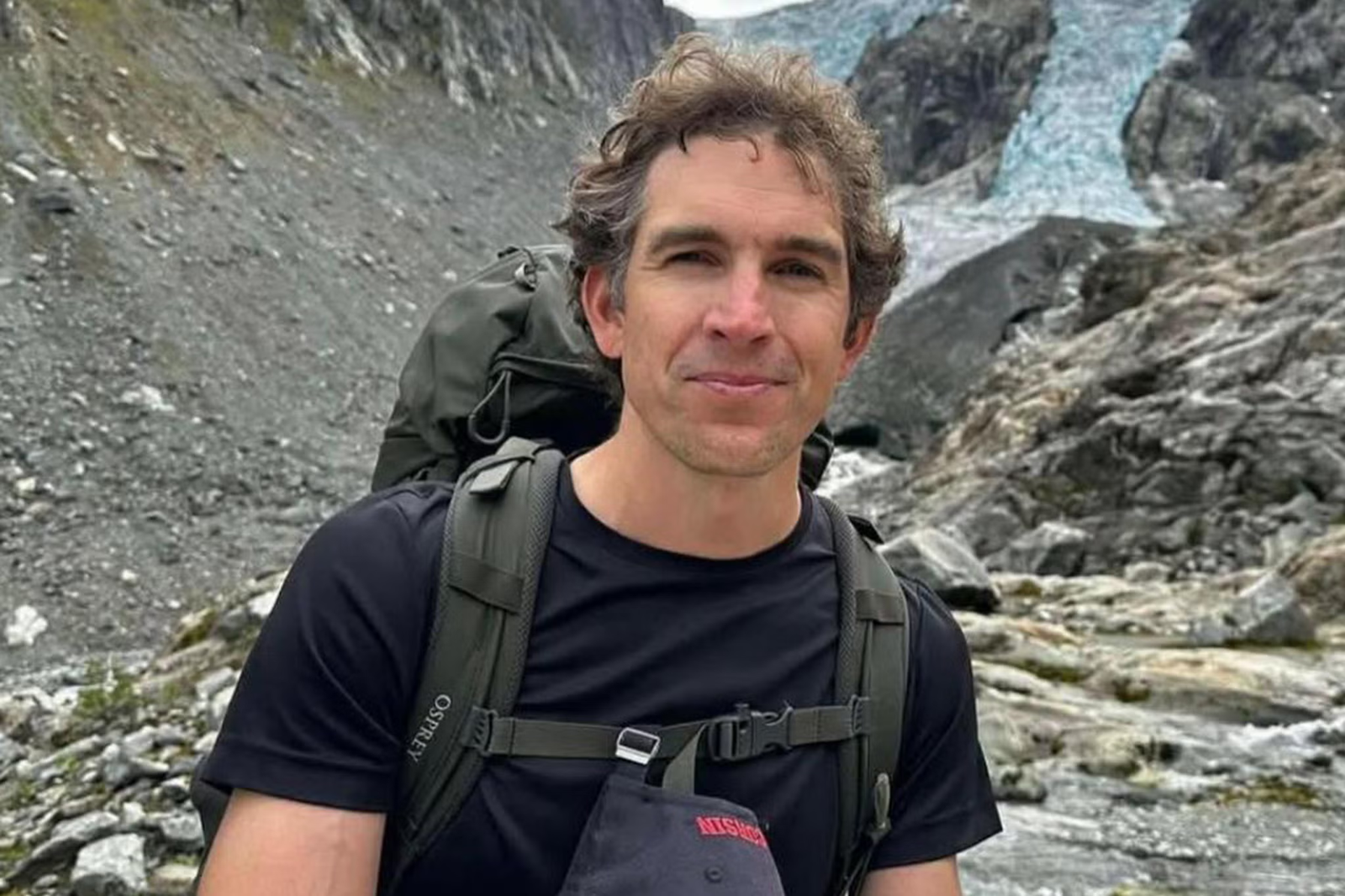
Pulitzer Center fellow and seasoned journalist Alec Luhn has gone missing during a solo hike in Norway’s Folgefonna National Park, a glacier-covered expanse known for its treacherous terrain and unpredictable weather. The 38-year-old, originally from Wisconsin and currently based in the UK, has not been heard from since Thursday, July 31, when he sent a photograph from his last known location near the town of Odda.
As an experienced hiker and passionate climate reporter, Alec Luhn had set out alone to explore the park, drawn by his deep interest in glaciers and the Arctic. His disappearance has prompted a large-scale search operation involving rescue dogs, drones, helicopters, and alpine specialists.
Yet, the effort has been complicated by severe weather conditions, including heavy rains and high winds, which forced authorities to temporarily halt the mission earlier this week. As concerns mount among friends, family, and colleagues, many are joining the call for any information that could help locate the missing journalist.
A Life Dedicated to Journalism and the Arctic
Alec Luhn is a journalist whose work has taken him across some of the world’s most politically volatile and environmentally fragile regions. As a fellow with the Pulitzer Center’s Ocean Reporting Network, Luhn has committed much of his career to covering environmental issues, especially those linked to climate change.
His reporting has appeared in internationally renowned publications including The New York Times, The Atlantic, and The Guardian, where he served as a Russia correspondent between 2013 and 2017. His efforts have earned him two Emmy nominations, a testament to his impactful storytelling and investigative skills.
According to his wife, Veronika Silchenko, a television journalist, Alec Luhn’s fascination with cold climates and Arctic regions has long shaped his professional and personal pursuits. “Alec is basically obsessed with the Arctic,” she said in a recent interview. “He loves glaciers and snow, and he loves explorers. He’s a climate journalist, so for him it is always that story — that now because of climate change they’re all shrinking, and he’s trying his best to go to the coldest countries.”
The solo hike in Folgefonna was part of a family holiday that turned into a solo backpacking adventure. Before heading into the national park, Alec Luhn exchanged messages with Silchenko, letting her know about his plans and sharing a picture from Odda. It appeared at the time that the weather was clear and conditions were manageable. But when Luhn failed to return or contact anyone, concerns escalated quickly.
LATEST🚨
— Make Europe Great Again – M.E.G.A (@ScaryEurope) August 7, 2025
⚡️British-based journalist Alec Luhn, 38, is found alive in Norwegian mountains as rescuers reveal how he survived alone in the wilderness for five days#British #journalist #Norwegians #rescuers #wilderness #NORWAY pic.twitter.com/zLomzQNGtK
The couple had expected that Alec would exit the park in time for his scheduled flight back home. When he failed to appear at the airport and could not be reached by phone or text, his family reported him missing. “We exchanged a few texts [on Thursday],” Silchenko told CNN. “He told me that he is going to hike and sent me a picture. He looked fine, the weather was fine. On Monday, we decided that we need to call the services.”
A Challenging Search in Treacherous Terrain
Norwegian authorities have mounted an intensive search and rescue mission to locate Luhn. The operation has involved police, Red Cross volunteers, search dogs, alpine rescue teams trained in glacier navigation, drones, and even a helicopter from the Norwegian Air Force. However, the rugged geography of Folgefonna National Park — which covers 545 square kilometers and includes one of Norway’s largest glaciers — presents numerous challenges for search crews.
Police have confirmed that weather has significantly hindered efforts, with heavy rain, strong winds, and rising river levels making parts of the park inaccessible. The search was suspended on Tuesday afternoon due to these dangerous conditions but resumed again by Wednesday morning. Teams have returned to Odda, using helicopters to reach remote areas more quickly.
Read : Whisper Owen and Her 8-Month-Old Daughter Missing After Leaving for Doctor’s Appointment
Eirik Loftesnes, Head of Operations at the Western Police District, stated that officers are also investigating telecommunications data to help trace Alec’s movements. This includes working with mobile phone operators and the phone manufacturer to understand signal locations and activity.
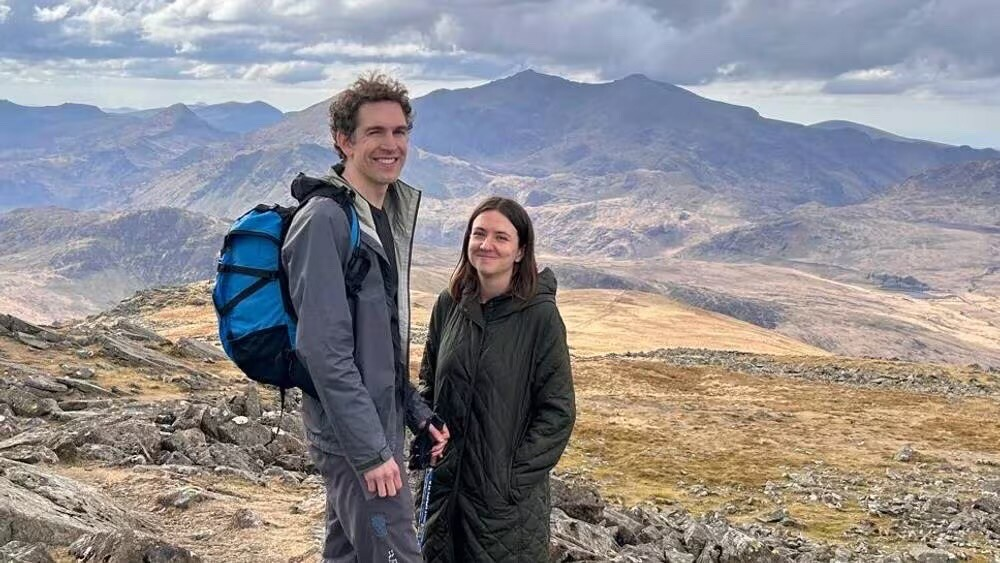
“The police are also actively working to gather information that can narrow the search,” Loftesnes said, “including interviewing witnesses in the mountains and investigating telecommunications operators and mobile phone manufacturer to map the movements of the missing person.”
One potential lead comes from a French couple who reportedly gave Luhn a ride to the glacier on July 31. According to a family friend, Luhn may have shared details of his intended hiking route with them. The couple was traveling in a camper van with their young son. Authorities and loved ones are now urging this couple or anyone who may have seen or spoken to Alec to come forward and share any information that might help clarify his route or current whereabouts.
Community Rallies as Hope Persists
The disappearance has sparked an outpouring of concern from the international journalist community and environmental advocacy circles. Friends and colleagues who have worked with Luhn describe him as not only an accomplished journalist but also a deeply empathetic individual with an unshakable curiosity about the world’s most urgent issues.
His wife, Veronika Silchenko, has been at the forefront of the search, coordinating with authorities, sharing appeals on social media, and trying to trace any possible witness who could help. “We are trying to reach out to any hikers or campers who may have crossed paths with Alec,” she said. “Even the smallest detail could make a difference.”
The remote location and the physical dangers of the region underscore the urgency of the operation. Folgefonna National Park, first established in 2005, is known for its glacial tongues, wild alpine meadows, and steep river valleys. Though stunningly beautiful, the terrain is challenging, especially during poor weather conditions. Heavy rainfall can quickly swell rivers and obscure trails, while fog and wind reduce visibility, even for experienced hikers.
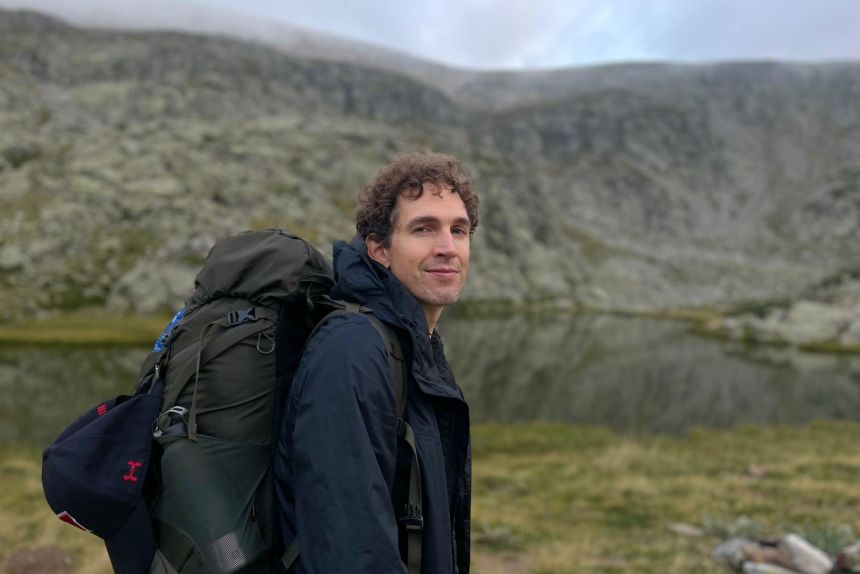
Despite these obstacles, the search continues, and hope remains. “Alec is an experienced hiker,” one of his friends noted. “He knows how to handle himself in tough conditions, and he’s resourceful. We are holding onto the belief that he found shelter and is waiting to be rescued.”
Rescue crews are operating under the assumption that time is critical. As the days pass, weather conditions are being closely monitored to ensure the safety of rescuers and to determine the best windows for aerial and ground searches. The efforts are now as much about survival as they are about finding the right clues to focus on the vast landscape ahead.
The situation serves as a stark reminder of how nature, even in the age of technology and GPS tracking, can still overpower human plans. For hikers, especially those venturing alone, the risks of sudden weather changes and difficult terrain are always present. Authorities in Norway frequently advise against solo hiking in the national parks, particularly in glacier areas, without proper equipment and communication tools.
As of now, the search for Alec Luhn continues, driven by the determination of those who know and love him — and the commitment of Norwegian rescue teams who understand the urgency of every passing hour. The journalism and environmental communities around the world are watching and hoping for good news. Alec Luhn is not only a reporter who told important stories — he has become the center of one.