
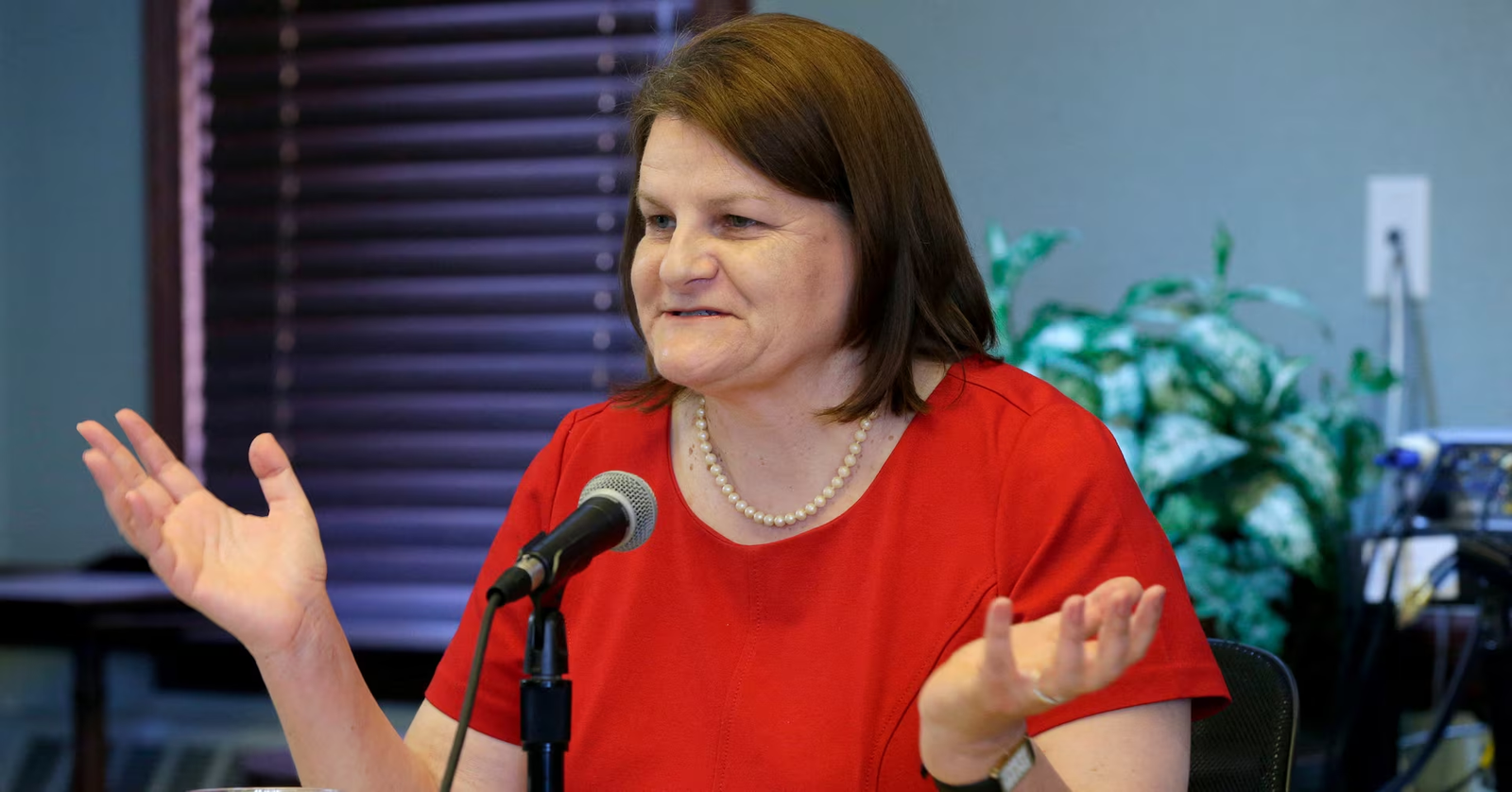
The legal and political world was rocked this week when Milwaukee County Circuit Judge Hannah Dugan was arrested by the FBI and charged in federal court for allegedly helping an undocumented immigrant avoid arrest.
The case has sparked intense debate over the role of local authorities in federal immigration enforcement and raised serious questions about the separation of powers, judicial independence, and the direction of the Trump administration’s immigration crackdown.
As new details emerge, the case against Judge Dugan highlights the complexities of immigration law and the deep divisions in American society over how it should be enforced.
The Events Leading to Judge Hannah Dugan’s Arrest
According to charging documents and witness statements, the incident that led to Judge Dugan’s arrest occurred on April 18 inside her courtroom.
Federal agents, dressed in plain clothes, arrived at the Milwaukee County Courthouse with the intention of arresting Eduardo Flores-Ruiz, a Mexican immigrant who had previously been deported in 2013. Immigration officials discovered Flores-Ruiz was back in the United States after he was arrested in a local domestic abuse case.
When Judge Dugan learned about the agents’ presence from her courtroom deputy, she reportedly became visibly upset, called the situation “absurd,” and left the bench to confront the agents in a public hallway.
Witnesses stated that Dugan demanded the agents leave the courthouse, arguing that they needed a different type of warrant to detain Flores-Ruiz. She also directed the agents to speak with the chief judge instead of continuing with their arrest attempt.
Perhaps most damning for Judge Dugan is what happened next. Witnesses, including her courtroom deputy, the prosecutor, and a Victim Witness Specialist, told investigators that Dugan instructed Flores-Ruiz and his attorney to exit through a nonpublic area known as the “jury door.”
Read : Mexico Judge Joel Cano and His Wife Arrested for Hiding Venezuelan Gang Member in Their Home
This move allegedly allowed Flores-Ruiz to slip away from federal agents momentarily. Although agents eventually apprehended Flores-Ruiz outside the courthouse after a brief foot chase, federal authorities argue that Judge Dugan’s actions deliberately obstructed their duties and endangered public safety.
Read : Who is Crypto King Jailed for 25 Years After Stealing Billions of Dollars from FTX Customers
Judge Dugan was charged with two federal crimes: obstruction and concealing an individual from arrest. She made her initial court appearance and was released while awaiting further proceedings. Her attorney stressed that she “wholeheartedly regrets and protests her arrest,” claiming it was unnecessary and not made in the interest of public safety.
Political Reactions to the Arrest
The Trump administration quickly seized on Judge Dugan’s arrest as a victory for their tough stance on immigration and law enforcement. FBI Director Kash Patel praised the federal agents’ persistence and criticized Judge Dugan’s conduct on social media, saying her actions had increased the danger to the public. He emphasized that federal law enforcement would not tolerate interference from any local official, no matter their rank or status.
Attorney General Pam Bondi also commented forcefully, stating in an interview on Fox News that obstructing federal law enforcement, especially in the context of domestic violence cases, would not be tolerated. Bondi accused Dugan of undermining victims’ rights and aiding a criminal defendant in escaping lawful detention.
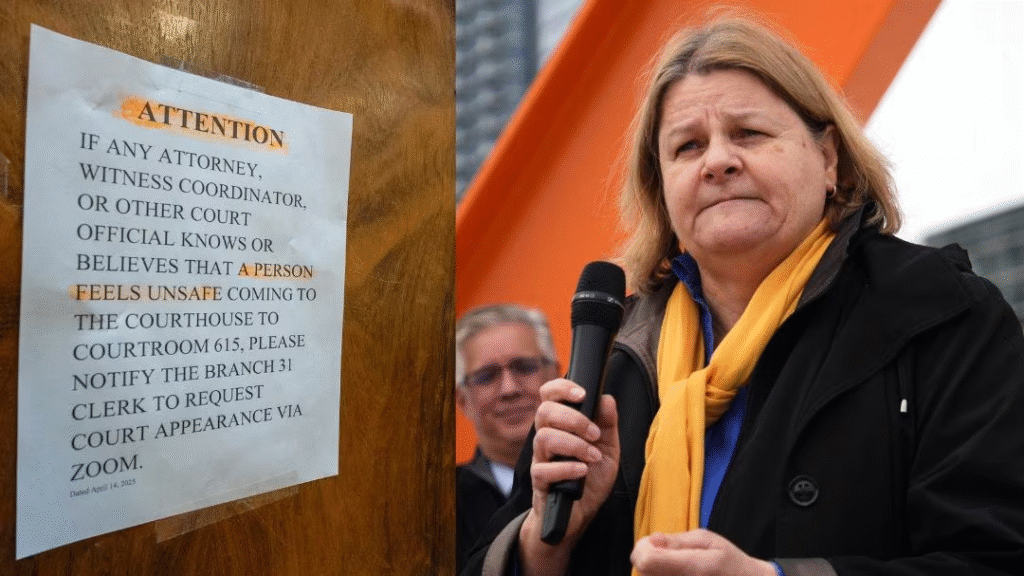
Tom Homan, the Trump administration’s border czar, chimed in as well, warning that “nobody should be surprised by the arrest of two judges” — a reference to Judge Dugan and former magistrate Judge Joel Cano, who is facing separate charges for allegedly harboring gang members on his property. Homan reiterated the administration’s position that harboring or assisting undocumented immigrants in evading authorities would result in prosecution.
The arrest has been framed by the administration as a sign of their commitment to the rule of law. However, critics argue that it is part of a broader pattern of politicizing federal law enforcement and attacking judges perceived as hostile to the administration’s immigration agenda.
Wisconsin Governor Tony Evers, a Democrat, responded to the arrest by cautioning against jumping to conclusions. He criticized what he called the Trump administration’s “dangerous rhetoric” targeting the judiciary and stressed the importance of preserving the principle that defendants are innocent until proven guilty. Evers urged the public to trust in the legal system and allow the case to proceed through the courts.
Other Democratic leaders echoed these concerns. Milwaukee Mayor Cavalier Johnson warned that the arrest could intimidate residents from participating in the legal system, undermining public safety and community trust. Democratic Rep. Gwen Moore described the arrest as “shocking” and suggested it bore the hallmarks of federal overreach, expressing alarm at what she sees as a dangerous trend of federal authorities defying constitutional norms.
Broader Implications for the Judiciary and Immigration Enforcement
The arrest of a sitting judge on federal charges is an extraordinary event that has profound implications for the balance between local and federal authority, the independence of the judiciary, and immigration enforcement practices in the United States.
It highlights a central tension that has only grown sharper during the Trump administration: the conflict between local officials who seek to protect undocumented immigrants and a federal government determined to deport them.
Critics of the administration argue that using federal law enforcement to target judges sets a dangerous precedent that could have a chilling effect on the judiciary.
Judges must be able to operate independently, free from fear of retaliation for decisions that may not align with political priorities. Arresting a judge for conduct related to their official duties risks blurring the lines between law enforcement and political power, critics say.
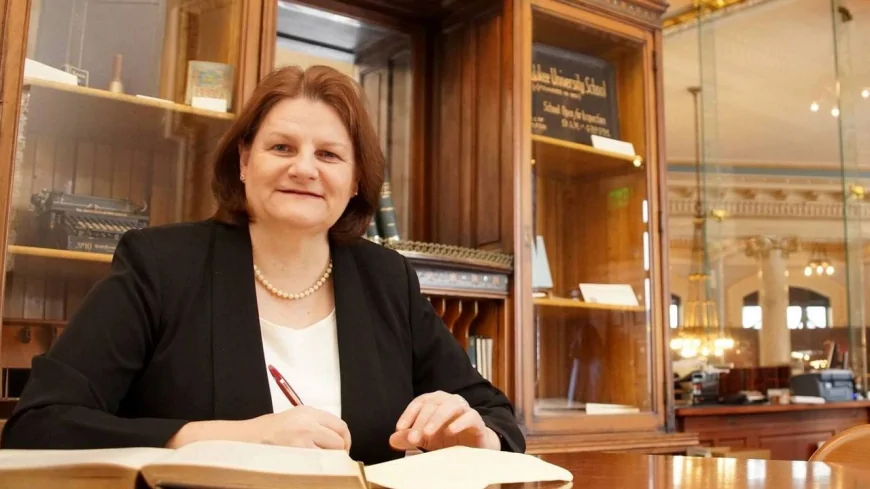
Supporters of the administration counter that no one is above the law, not even judges. They argue that Dugan’s actions, if proven, constituted a clear violation of federal law by intentionally obstructing immigration authorities.
They maintain that protecting undocumented immigrants from lawful arrest undermines the rule of law and poses risks to public safety, especially in cases involving defendants accused of crimes like domestic abuse.
The case also reflects broader debates over immigration policy itself. Across the country, many local jurisdictions have adopted “sanctuary” policies designed to limit cooperation with federal immigration authorities. These policies are intended to foster trust between immigrant communities and local law enforcement, encouraging victims and witnesses of crime to come forward without fear of deportation.
The Trump administration has taken a hard line against sanctuary jurisdictions, threatening funding cuts and legal action. Judge Dugan’s case may be viewed through this broader lens as part of the administration’s effort to enforce federal immigration laws more aggressively, even in the face of local resistance.
Moving forward, the legal proceedings against Judge Dugan will be closely watched not only for their immediate outcome but also for what they signal about the future relationship between local governments, the judiciary, and federal immigration authorities.
If Dugan is convicted, it could embolden the federal government to pursue similar cases against other officials perceived as obstructing immigration enforcement. If she is acquitted, it could be seen as a rebuke to the administration’s approach.
For now, the case remains a potent symbol of the fraught and often bitter debate over immigration, law enforcement, and the limits of federal power in American democracy