
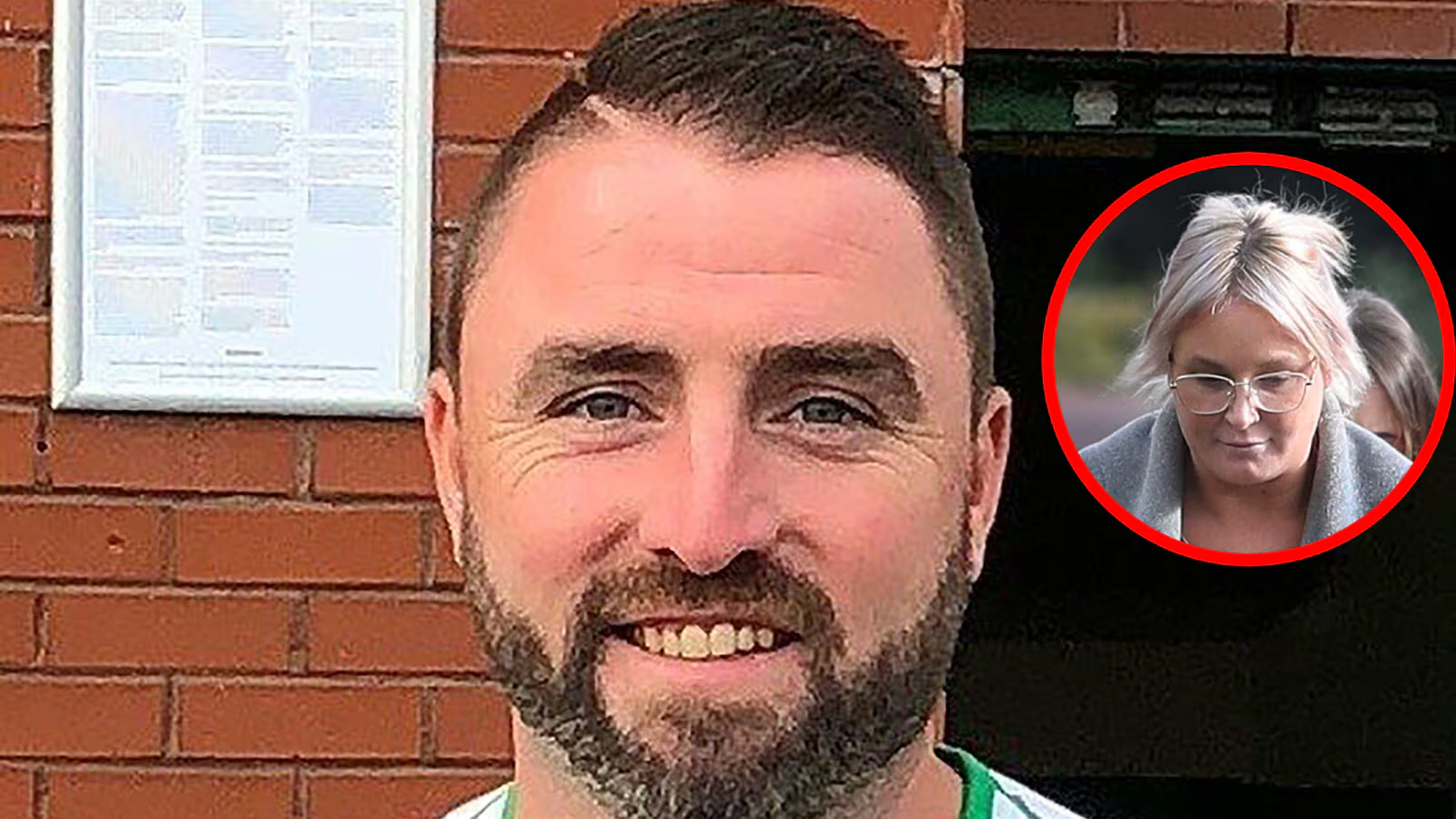
The tragic case of Julie Ann McIlwaine, who was sentenced to 12 years in prison for the murder of her partner James Joseph Crossley in West Belfast in 2022, has stirred deep emotions and reflections on the complex realities of domestic abuse and the devastating consequences it can bring.
The story, which unfolded in a Dunmurry home, reveals a relationship fraught with violence, coercion, and pain, culminating in a fatal act that continues to resonate with the families and community involved.
A Relationship Marked by Abuse and Control
The relationship between Julie Ann McIlwaine and James Joseph Crossley was reportedly turbulent and deeply troubled, marked by mutual abuse and coercive control. According to court evidence and testimonies, the couple’s interactions were frequently violent and emotionally damaging.
Julie Ann McIlwaine, who was 34 at the time of the killing, had admitted to fatally stabbing Crossley, but she denied that it was murder, arguing instead that her actions were a result of a temporary “stress reaction” caused by the trauma of the abusive relationship.
Domestic abuse is often complex, involving not only physical violence but also psychological manipulation and control. In this case, the jury was presented with a portrait of a couple caught in a cycle of harm, with each partner at times the victim and the aggressor.
At the time of his death, Crossley was on bail for an assault against McIlwaine and was under a restraining order preventing him from contacting her. This legal backdrop underscores the ongoing dangers and tensions within their relationship.
Read : Madison Rueckert Shoots Sleeping Boyfriend After Finding Texts From Other Women On His Phone
Julie Ann McIlwaine described her mental state to police during interviews that were played during the trial. She spoke of feeling overwhelmed and trapped, with intrusive and disturbing thoughts that made her feel as though she was losing control. She told the police, “I felt like a psychopath,” revealing the intense emotional and psychological pressure she was under.
Read : Neuschwanstein Castle: The Fairytale Wonder of Bavaria
These insights into her mindset highlight the often hidden, internal struggles faced by individuals caught in abusive relationships — struggles that are not always visible or understood by those outside.
The Night of the Killing: A Brutal and Savage Act
The fatal incident occurred on the night of March 2, 2022, in Julie Ann McIlwaine’s former home in Filbert Drive, Dunmurry. On that day, the court heard, there had been ongoing arguments between the couple. Crossley reportedly told McIlwaine that she would need to “choose between him and her family.” Despite the turmoil, Crossley took medication and went to sleep in bed beside their 10-month-old baby.
McIlwaine’s actions that night were both chilling and calculated. She went downstairs, took the largest knife she could find in the kitchen, and returned to the attic room where Crossley was sleeping. Conscious of the presence of their infant child, she carefully moved the baby to the end of the bed to keep her safe and free from harm or blood.
She then stabbed Crossley ten times, inflicting seven wounds to his chest and abdomen, along with additional injuries to his arms and legs. Despite being rushed to the Royal Victoria Hospital, Crossley died shortly after.
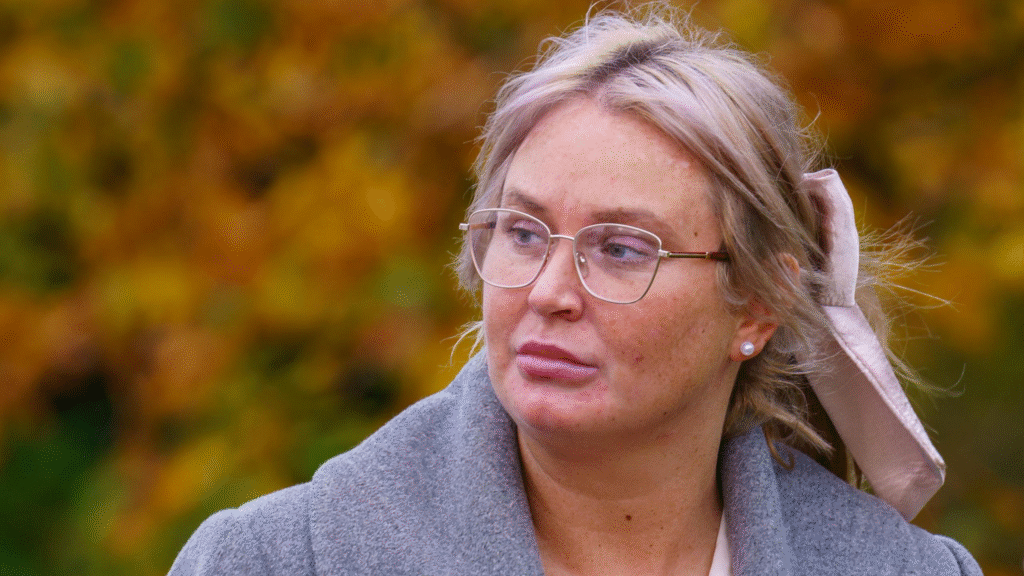
The judge, Mr Justice Kinney, condemned the murder as “brutal and savage.” The severity of the attack, with multiple stab wounds, was a key factor in the court’s ruling and sentencing. However, despite the harshness of the crime, the jury spent nine hours deliberating before reaching a verdict, ultimately rejecting McIlwaine’s defense and finding her guilty of murder.
The court was faced with difficult questions around control, intent, and culpability. The prosecution argued that McIlwaine’s behavior on the night showed she was fully in control of her actions, indicating that the stabbing was a rational choice rather than an impulsive act caused by trauma.
Meanwhile, the defense pointed to Julie Ann McIlwaine’s mental state and the abusive environment she endured as mitigating factors. Ultimately, the court’s decision reflected the seriousness of the crime, balanced against the complex context in which it occurred.
Reflections on Domestic Abuse, Justice, and Healing
The sentencing of Julie Ann McIlwaine to 12 years imprisonment marks a somber milestone in a tragic story that has left deep scars on families and the wider community. Detective Inspector Michelle Griffin of the Police Service of Northern Ireland (PSNI) described the case as “extremely difficult,” emphasizing the shared suffering of two people trapped in a “mutually abusive relationship.”
This case starkly illustrates that domestic abuse is not always a one-sided narrative. It often involves layers of complexity, where both victims and perpetrators may be enmeshed in cycles of violence and control. The legal system faces a daunting task in trying to deliver justice fairly when relationships are so fraught and painful.
The detective’s remarks at the sentencing hearing—highlighting that “no-one should ever take the law into their own hands”—serve as a poignant reminder of the need for support systems and interventions before situations escalate to irreversible outcomes. The appeal to anyone experiencing domestic abuse to seek help underscores the importance of accessible resources, community awareness, and proactive policing in preventing tragedies.

For the families, especially those of James Crossley and Julie Ann McIlwaine, the aftermath is heartbreaking. The loss of a loved one, the trauma of witnessing violence, and the long legal battle have left profound wounds. Children caught in such environments are especially vulnerable to lasting emotional damage.
On a societal level, this case calls for deeper understanding and greater empathy toward those affected by domestic abuse. It also highlights the critical need for better support networks, mental health services, and education to break the cycle of abuse.
Public awareness campaigns, safe shelters, counseling, and legal protections must be strengthened to ensure victims can find safety and that perpetrators are held accountable before tragedy strikes.
The court’s ruling that McIlwaine must serve a minimum of 12 years before parole commissioners decide on her release reflects the justice system’s attempt to balance punishment with rehabilitation and safety for the community.
This sentence, while significant, also raises questions about how best to address the root causes of domestic violence and support those who live with its consequences daily.
The story of Julie Ann McIlwaine and James Joseph Crossley is a tragic example of how domestic abuse can spiral into deadly violence, affecting not only those directly involved but entire families and communities.
It serves as a call to action to recognize the signs of abuse, to provide help and intervention early, and to foster a society where no one has to live in fear or suffer in silence. The hope is that by learning from such painful cases, future tragedies can be averted, and healing can begin for those left behind.