
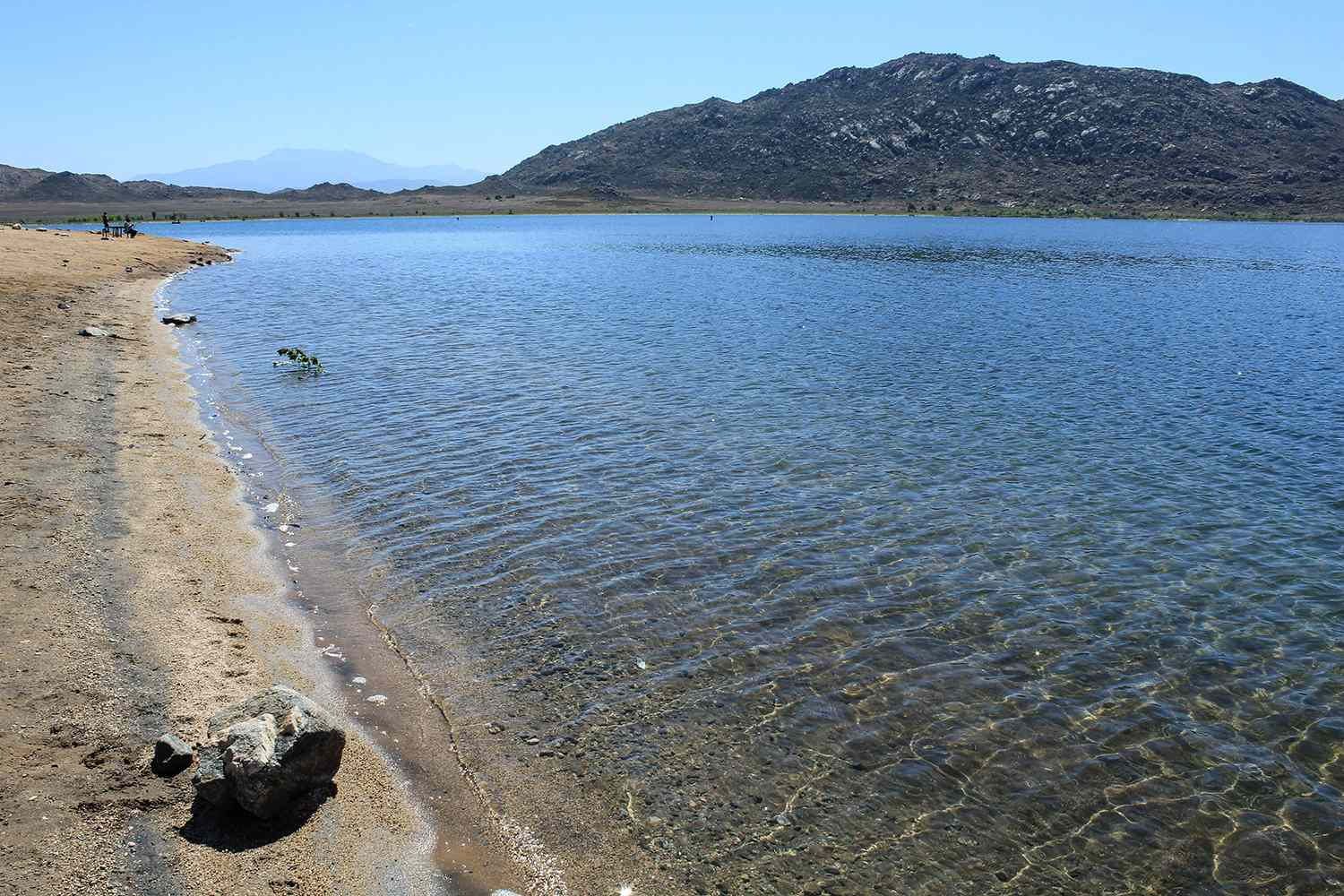
The death of a 54-year-old father at Lake Perris in California has drawn widespread attention for the extraordinary act of selflessness that ultimately cost him his life. Over the weekend, what began as a routine outing on the water turned tragic when a kayak carrying the father and his 7-year-old son capsized. Though neither was wearing a life jacket, the father managed to keep his child above water until rescuers reached them, a final act of courage that officials have described as unquestionably heroic.
The incident has left the local community shaken, prompting renewed concern about water safety while simultaneously highlighting a parent’s instinct to protect their child at all costs. As authorities continue investigating the circumstances surrounding the accident, many have expressed admiration for the father’s determination and deep sorrow for the family now coping with a devastating loss.
Response Efforts at Lake Perris
California State Park peace officers were dispatched shortly after 4 p.m. on Saturday following reports of screams and distress coming from the water at the Lake Perris State Recreation Area, a popular destination east of Los Angeles frequented by families, boaters, and swimmers. Witnesses alerted authorities as the situation unfolded rapidly, with park officials confirming that the father and son had been kayaking when their vessel overturned. Despite the proximity to shore and the number of visitors in the area, the pair struggled as they tried to stay afloat.
When officers arrived, they located the father unconscious and partially submerged. His son was conscious but in clear distress, clinging to him while attempting to remain above water. Park officials later stated that the child was physically holding onto his father, who, even in an unresponsive state, had positioned himself in a way that allowed his son to avoid slipping beneath the surface. This critical detail, documented by investigators, has been emphasized as evidence of the father’s presence of mind and focus on his son’s survival even as he faced life-threatening conditions.
First responders pulled both individuals from the water, immediately initiating life-saving procedures. CPR was performed on the father while emergency crews worked simultaneously to stabilize the boy. Witness Michelle Juarez, who had been boating nearby, recalled the intensity and urgency of the rescue efforts. She described seeing responders continue chest compressions for close to an hour as they attempted to revive the father, emphasizing the emotional weight of the moment for everyone watching. Her account underlined how deeply the event affected bystanders, many of whom continued to follow updates after both were transported to a local hospital.
Read : Discover Asia: 12 Unforgettable Summer Destinations
Despite prolonged attempts to resuscitate him, the father was later pronounced dead. His son was admitted to the hospital for evaluation, where he remains under medical supervision. Officials have not released their identities out of respect for the family’s privacy during an already overwhelming period of grief. In a statement, California State Parks expressed condolences and noted that the bravery displayed by the father left a strong impression on the responding teams.
Safety Regulations and Ongoing Investigations
As details of the incident became clearer, authorities highlighted the role that safety regulations may have played in the severity of the outcome. Under California law, children under the age of 12 are required to wear a life jacket when on a moving recreational vessel. However, neither the father nor the child was wearing one at the time the kayak overturned. Investigators have not yet determined what specifically caused the capsizing, and multiple agencies are now working together to understand the sequence of events.
Read : Brandon Dawson Wins Top Prize at Northern California Pumpkin-Weighing Contest with 2,346-Pound Gourd
The Riverside County Sheriff-Coroner’s Office is overseeing the official determination of the father’s cause of death. Alongside its inquiry, California State Parks law enforcement personnel are conducting a separate investigation to assess contributing factors such as water conditions, weather, equipment, and adherence to safety guidelines. Lake Perris, while known as a calm and generally safe recreational area, can present risks depending on wind, wave activity, or vessel instability. Officials have not yet indicated whether outside conditions played a role or whether the kayak itself may have been compromised.

In the aftermath of the tragedy, park authorities have been urging visitors to comply with life-jacket requirements regardless of perceived swimming ability or familiarity with the water. They also reiterated that drowning emergencies can escalate quickly even for experienced adults. Safety experts often note that kayaks, particularly lightweight recreational models, can become unstable without warning, especially when carrying multiple occupants or when movement shifts the vessel’s center of balance. While kayaks typically offer a low-risk way to enjoy lakes and reservoirs, unpredictable circumstances can turn dangerous in a matter of seconds.
California State Parks’ statement extended condolences to the family and stressed the importance of water safety practices. The agency’s message acknowledged the emotional impact of the father’s actions, emphasizing that his final moments were spent ensuring his child’s survival. The event has sparked conversations about reinforcing safety resources at state recreational areas and increasing awareness among visitors who may underestimate the risks associated with boating without proper flotation devices.
Community Reaction and Reflections on the Father’s Heroism
Beyond the official reports and ongoing investigations, the emotional resonance of the father’s actions has spread quickly among residents and witnesses. Many have expressed profound sympathy for the grieving family and deep admiration for the father’s instinctive response during the crisis. The description provided by investigators, noting how he actively kept his son afloat until rescue personnel reached them, has been widely shared and regarded as an extraordinary example of parental sacrifice.
Read : Indian-Origin Man Arrested for Chasing and Stabbing Sex Offender David Brimmer in California
Witness Michelle Juarez’s account captured the emotional intensity experienced by those present during the emergency. She spoke about hearing instructions from rescuers and observing the urgency of the response, describing how onlookers could sense the gravity of the unfolding tragedy. Her reflections conveyed the sense of community empathy that arose as people realized the father may not survive. The prolonged efforts of first responders, who continued CPR for nearly an hour, drew attention to the dedication of emergency personnel who worked tirelessly in hopes of saving a life.

For many who frequent Lake Perris or similar recreational areas, the incident has served as a sobering reminder of how quickly accidents can occur even in familiar and seemingly calm environments. Families and local residents have taken to social media and community forums to share condolences and emphasize the importance of safety precautions. Some have expressed that the father’s final act serves as a poignant reminder of the strength of parental love, prompting discussions about how communities can support the surviving son as he recovers physically and emotionally.
The situation has also prompted calls for increased public education regarding life-jacket use. While state law mandates flotation devices for children under 12, experts argue that adults should also wear them, especially when accompanying minors. The tragedy has renewed discussions about whether additional signage, enforcement, or awareness campaigns may help prevent similar incidents in the future. Recreational safety advocates often note that drownings involving kayaks or canoes frequently occur when individuals are not wearing life jackets; the devices not only help keep a person afloat but also reduce panic and fatigue in emergency situations.
As the community absorbs the loss, many have focused on the resilience of the child who survived and the father’s bravery that made his survival possible. Although details about the child’s condition remain limited, officials have confirmed that he was conscious when rescued and is receiving medical care. Emotional recovery, however, may take far longer, and support efforts may become an important part of the family’s path forward. Authorities have acknowledged the father’s actions as a demonstration of extraordinary courage and selflessness.
By prioritizing his son’s survival at the expense of his own safety, he exemplified the instinctive protection that defines many acts of parental heroism. Even as investigators work to uncover what led to the accident, this central truth has remained at the forefront of public attention: the father’s determination ensured that his child lived. The tragedy at Lake Perris continues to reverberate as officials, community members, and fellow visitors reflect on both the heartbreaking outcome and the profound heroism that defined the father’s final moments.