

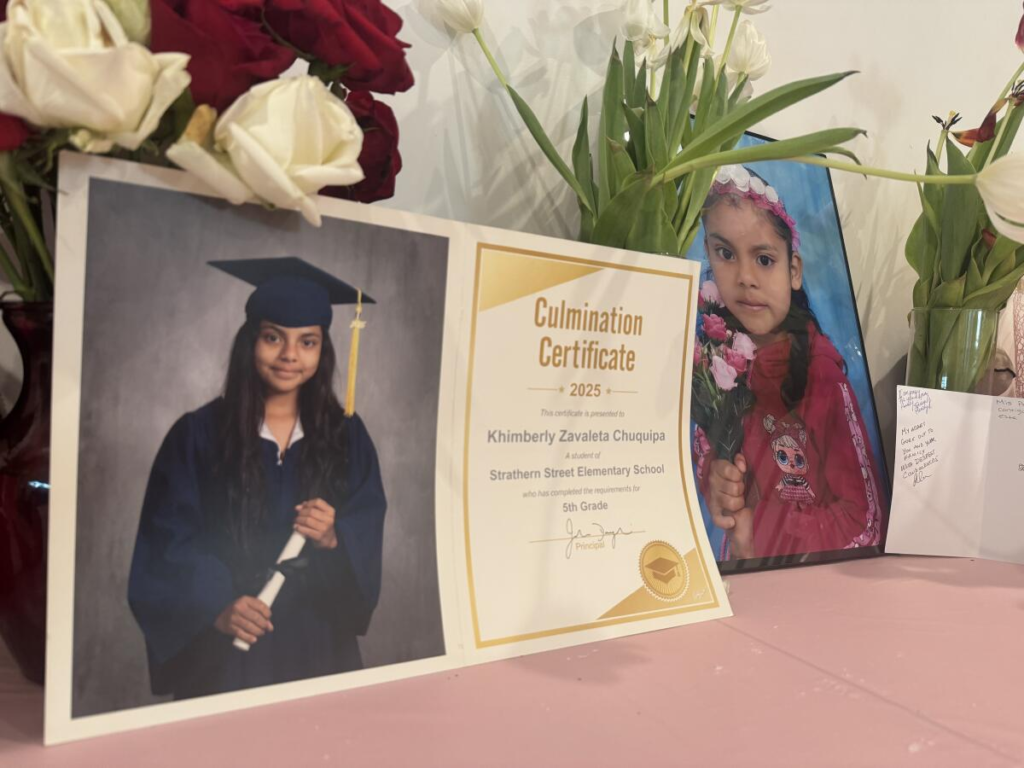
The death of a 12-year-old student following an alleged bullying incident at a Los Angeles school has drawn widespread attention to the dangers of school violence and the consequences of unchecked aggression among students. The case centers on Khimberly Zavaleta Chuquipa, a young girl whose life was cut short after suffering a severe head injury on campus. Authorities have since arrested a juvenile suspect on suspicion of murder, marking a significant development in an incident that has deeply affected the local community and raised pressing concerns about student safety and accountability within schools.
The incident occurred at Reseda Charter High School, where Khimberly was reportedly trying to defend her younger sisters during an altercation involving other students. What began as an act of protection escalated into a violent encounter that ultimately led to her sustaining a critical injury. Despite initial medical evaluation, her condition deteriorated days later, leading to emergency surgery and, eventually, her death. The case has not only prompted a criminal investigation but has also triggered legal action against the school district, with the family alleging systemic failures in addressing prior reports of bullying.
Incident Timeline and Medical Emergency
The sequence of events that led to Khimberly Zavaleta Chuquipa’s death began on February 17, 2026, when she was injured on school grounds during a confrontation involving multiple students. According to authorities, she stepped in to protect her younger sisters from being bullied. During the altercation, she was struck in the head with a metal water bottle, an object that, while seemingly ordinary, caused devastating harm when used as a weapon. The force of the impact resulted in serious head trauma.
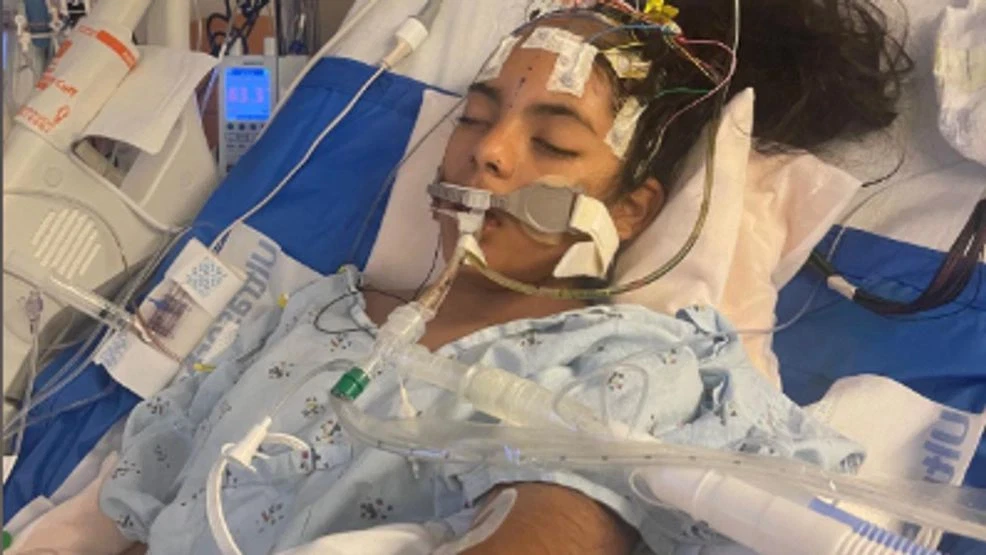
Following the incident, Khimberly was taken for medical evaluation. At the time, her injuries were assessed, and she was later sent home. However, the severity of her condition became evident in the days that followed. Three days after the incident, she experienced what has been described as a catastrophic medical emergency. Her condition rapidly worsened, requiring urgent medical intervention.
On February 20, she underwent brain surgery at UCLA Mattel Children’s Hospital. The procedure was an attempt to address the internal damage caused by the injury, but her condition remained critical. She was placed in a medically induced coma as doctors worked to stabilize her and manage complications related to the trauma. Despite these efforts, her condition did not improve.
On February 25, Khimberly Zavaleta Chuquipa died as a result of the injuries she sustained. Her death transformed what may have initially been treated as a school altercation into a homicide investigation. The delayed progression of her injuries highlights the complex and sometimes unpredictable nature of head trauma, particularly in young individuals, where symptoms may not immediately reflect the full extent of the damage.
Read : In the Lap of Himalayas: Top Places to Experience in Uttarakhand
The timeline underscores the importance of thorough medical evaluation and monitoring following head injuries, especially in cases involving blunt force. It also raises questions about whether earlier intervention or different protocols might have altered the outcome.
Arrest and Legal Proceedings
In the weeks following Khimberly’s death, law enforcement authorities conducted an investigation into the circumstances surrounding the incident. The Los Angeles Police Department ultimately arrested a juvenile suspect on suspicion of murder. Due to the suspect’s age, officials have not disclosed identifying details, including age and gender, in accordance with laws protecting minors.
The arrest represents a critical step in the legal process, but it also introduces a complex set of legal considerations. Cases involving juvenile suspects are handled differently from those involving adults, with a greater emphasis on rehabilitation alongside accountability. However, the severity of the charge—murder—reflects the gravity of the outcome and may influence how the case is prosecuted.
A judge is expected to determine whether the suspect will be released on bail as the case proceeds. This decision will depend on multiple factors, including the nature of the offense, the suspect’s background, and the perceived risk to the community. The legal process is likely to involve careful examination of witness accounts, school records, and any prior incidents that may establish a pattern of behavior.
In parallel with the criminal case, Khimberly’s family has initiated a wrongful death claim against the Los Angeles Unified School District. Represented by attorney Robert Glassman, the family alleges that the district failed to adequately respond to reports of bullying and did not implement sufficient measures to ensure student safety. The claim suggests that the incident may not have been isolated, but rather part of a broader issue that had not been effectively addressed.
The legal action against the school district introduces another dimension to the case, focusing on institutional responsibility. It raises questions about whether school officials were aware of ongoing conflicts or bullying and whether appropriate steps were taken to prevent escalation. The outcome of this claim could have implications not only for the family but also for how schools handle similar situations in the future.
Broader Concerns About Bullying and School Safety
The circumstances surrounding Khimberly’s death have intensified ongoing discussions about bullying and the effectiveness of school safety policies. Schools are expected to provide a secure environment where students can learn without fear of violence or harassment. When incidents like this occur, they challenge the adequacy of existing systems designed to protect students.
Read : Daniel Le Lievre Arrested After Accused of Dating 13-Year-Old Student’s Mother to Get Closer to Her
Bullying, particularly when it becomes physical, can have severe and lasting consequences. In this case, the situation escalated to a level that resulted in a fatal injury, illustrating how quickly conflicts among students can turn dangerous. The use of a common object as a weapon further emphasizes that serious harm does not always involve traditional weapons, making prevention more complex.
The family’s allegations point to a perceived failure in addressing prior reports of bullying. If substantiated, such claims could indicate gaps in communication, oversight, or enforcement of school policies. Effective anti-bullying strategies typically involve early intervention, consistent disciplinary measures, and support systems for both victims and those exhibiting aggressive behavior. The absence or breakdown of these measures can allow situations to escalate unchecked.
This case also highlights the role of bystanders and the challenges students face when intervening in conflicts. Khimberly reportedly acted in defense of her younger siblings, a decision that reflects both courage and the difficult realities some students encounter. It raises important questions about how schools can better equip students to respond safely to bullying situations, including when to seek help from adults rather than intervening directly.
In response to incidents like this, school districts often review and update their policies, implement additional training for staff, and introduce programs aimed at fostering a safer and more inclusive environment. However, the effectiveness of these measures depends on consistent application and active engagement from the entire school community, including administrators, teachers, students, and parents.
The tragedy has also prompted broader reflection on the responsibilities of educational institutions in identifying and addressing risks before they result in harm. This includes not only responding to reported incidents but also proactively creating an environment where students feel safe reporting concerns and confident that their voices will be heard.
As the investigation and legal proceedings continue, the case remains a stark reminder of the potential consequences of bullying and the importance of vigilance in maintaining school safety. The loss of a young life under such circumstances underscores the need for continued attention to these issues and for meaningful actions that go beyond policy to ensure real protection for students in their daily lives.