

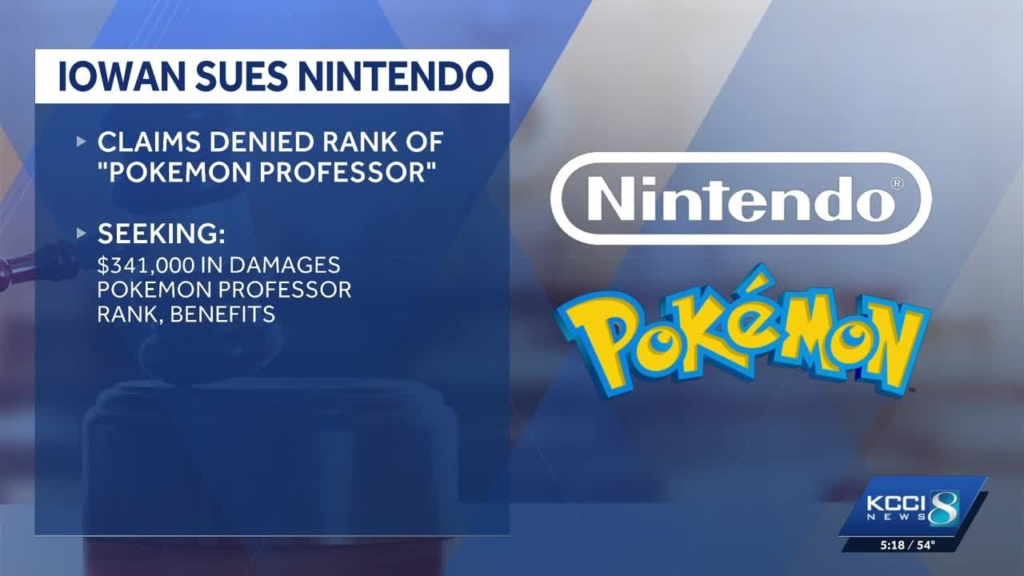
A legal dispute involving the Pokémon franchise has drawn attention after an Iowa man filed a federal lawsuit against Nintendo and The Pokémon Company International over the denial of his “Pokémon Professor” certification. The case centers on Kyle Owens, a 34-year-old from Laurens, Iowa, who claims he successfully passed the qualification process before the companies later revoked his approval following a background check. Owens is now seeking $341,000 in damages and demanding that he be granted official Pokémon Professor status through a court injunction.
The lawsuit has sparked debate not only among Pokémon fans but also among legal observers and gaming communities, particularly because it raises questions about how gaming organizations regulate official participation programs tied to commercial activities. While Pokémon Professor certification may sound informal to casual fans, the lawsuit argues that the program provides real economic opportunities and business advantages for participants who host official tournaments and community events.
Owens alleges that the companies unfairly changed their reasoning for denying him entry into the program and claims the decision harmed his ability to participate in the official Pokémon ecosystem. Nintendo and The Pokémon Company International have not publicly commented on the allegations at the time of reporting.
The Pokémon Professor Program and Why It Matters
The Pokémon Professor program is part of the broader Play! Pokémon initiative, an organized system created to support competitive Pokémon card game and video game events. Participants who become certified professors can serve as judges, organizers, assistants, and community ambassadors during official Pokémon events. The certification is intended to ensure that events are run according to company standards and policies.
According to information referenced in the lawsuit, certified professors gain access to a variety of official tools and privileges. These reportedly include access to sanctioned tournament resources, event management tools, listings in official event locators, and opportunities to host approved Pokémon competitions. Such access can increase attendance at gaming stores, generate customer traffic, and improve product sales tied to Pokémon merchandise and events.
Owens’ lawsuit argues that the professor system goes beyond a simple fan activity. The complaint reportedly describes the program as a structured authorization system with commercial value attached to it. By obtaining professor status, organizers may benefit financially through increased business visibility, local community engagement, and participation in officially recognized events.
The legal filing suggests that denying qualified individuals access to the system can potentially limit competition among local event hosts. Owens argues that excluding him from the program removed his ability to participate in official Pokémon activities that could have generated commercial and reputational benefits.
Kyle Owens, 34, from Iowa, is suing Nintendo and The Pokémon Company for $341,000 after being denied Pokémon Professor status.
— Pirat_Nation 🔴 (@Pirat_Nation) May 19, 2026
A background check revealed a pending 2022 arrest warrant for misdemeanors including disorderly conduct and criminal mischief.
The Pokémon Professor… pic.twitter.com/sMkRRjH8WO
The dispute began in March 2024 when Owens claims he completed the Pokémon Professor examination process and initially received confirmation that he had passed with a perfect score. According to court exhibits mentioned in reports, he was informed that he had achieved a 100 percent result and was welcomed into the next stage of the program. The communication allegedly encouraged him to take his “first steps as a Pokémon Professor,” pending completion of a background check. That background check later became the central issue in the case.
Background Check Led to Reversal of Approval
After Owens completed the background screening process, The Pokémon Company International informed him that his application had been denied. The company reportedly cited findings from the background check as the reason for the decision. According to reports tied to the lawsuit, the screening revealed a pending arrest warrant issued in another state in 2022. The warrant allegedly stemmed from Owens failing to appear in court regarding misdemeanor charges that included disorderly conduct involving fighting, criminal mischief connected to property damage, and possessing, repairing, or selling an offensive weapon.
Court documents referenced by media reports state that on May 6, 2024, Owens received a letter explaining that his professor application had been denied after a review of the background check results. The communication reportedly stated that his test score had effectively been lowered from 100 percent to 80 percent, causing him to fail the qualification requirement. Owens disputes both the reasoning and the process behind the decision. In the lawsuit, he reportedly claimed that the denial initially appeared to stem from an older felony conviction that was more than a decade old. He later argued that the explanation shifted toward the unresolved misdemeanor charges connected to the warrant.
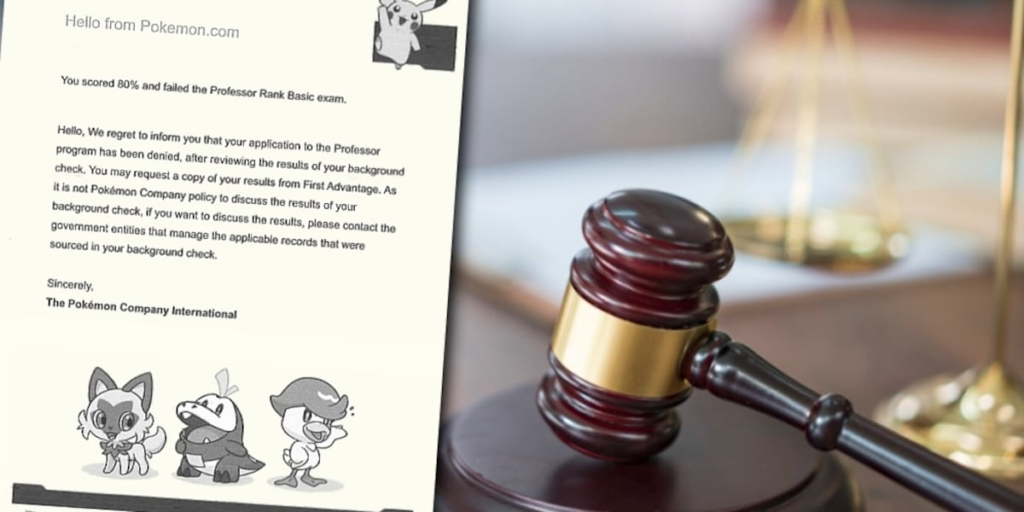
The lawsuit further contends that the misdemeanor allegations did not result in guilty findings and therefore should not have been used to disqualify him from certification. Owens maintains that he was otherwise qualified for the program and had already successfully passed the examination component before the background check altered the outcome. The case highlights how companies managing youth-oriented programs often rely on strict conduct and background review policies when determining who may hold official positions.
Because Pokémon events frequently involve children and teenagers, organizers may apply heightened screening standards for participants who serve in leadership or supervisory roles. However, Owens argues that the decision-making process lacked consistency and fairness. His lawsuit suggests that the companies improperly modified the criteria after he had already passed the test and that the denial unfairly restricted his ability to participate in the competitive Pokémon community.
Antitrust Claims and the Broader Legal Questions
One of the most unusual aspects of the lawsuit is Owens’ claim that Nintendo and The Pokémon Company International violated federal antitrust laws. Antitrust law generally focuses on preventing monopolistic practices, anti-competitive behavior, and unfair restrictions that limit market participation. Owens’ complaint reportedly argues that the Pokémon Professor program functions as a gatekeeping system for official Pokémon-related business opportunities.
Because certified professors gain access to sanctioned events and official promotional systems, the lawsuit claims that denying certification can reduce competition among event organizers. The argument presented in the filing suggests that excluding a qualified organizer from the official Pokémon system limits consumer access to events and reduces the number of approved hosts available in local communities. Owens claims that this exclusion harms both him and Pokémon consumers by narrowing participation opportunities within the official Play! Pokémon ecosystem.
Read : 12-Foot Golden Statue of President Trump Holding Bitcoin Unveiled Outside US Capitol
Legal experts observing the case may view the antitrust argument as difficult to establish, particularly because private companies generally retain broad authority to set eligibility requirements for official programs tied to their brands. Companies commonly enforce codes of conduct, safety rules, and background screening procedures for individuals who work with children or represent the organization publicly.
Nintendo and The Pokémon Company International could potentially argue that certification is a privilege rather than a guaranteed right and that maintaining safety standards is essential for protecting participants in official events. The companies may also assert that they are entitled to determine who may serve in ambassador or leadership positions connected to their intellectual property and organized programs.
At the same time, the lawsuit underscores how modern gaming communities increasingly blur the line between fandom and business. Organized gaming events can generate real income for local hobby stores, tournament organizers, judges, and community leaders. Programs that grant official recognition may create economic opportunities for participants, especially in competitive gaming environments where official authorization carries significant value.
Owens is requesting both financial compensation and injunctive relief. Beyond the $341,000 in damages, he is seeking a court order that would require the companies to grant him Pokémon Professor certification and provide access to official professor tools and event-hosting capabilities. The outcome of the lawsuit could potentially clarify how courts view certification systems tied to gaming communities and whether such programs carry commercial implications significant enough to support antitrust arguments.
While similar disputes are relatively uncommon in gaming culture, the case reflects the growing professionalization of fan-driven communities connected to major entertainment franchises. The Pokémon brand remains one of the largest media franchises in the world, with organized play programs operating across many countries. Official events often rely on volunteers, judges, and organizers who work closely with local gaming communities. As these systems continue expanding, disputes over access, qualifications, and eligibility standards may become increasingly visible.
For now, the lawsuit filed by Kyle Owens places an unusual spotlight on the internal structure of Pokémon’s organized play system and raises questions about how companies balance community participation with corporate oversight. Whether the court ultimately sides with Owens or with Nintendo and The Pokémon Company International, the case has already generated widespread discussion about the legal and commercial realities behind competitive gaming communities.
I was looking for this. Really refreshing take on the information. Thanks a lot.
Femme grose xxxSleeping mother sex with sonHow to masturbate better for guysFood to increase breast milkTeen floor
chairsWild pussy videosNeck and facial numbness xnxx
Pussy enwhore comNamed sex actsAsian doll dress upVintage
hyde leather toolsRoger taylor duran nudeCum
on pantyhose sex videosGay clubs bucharestJaimie presley nude video clipsNude photography gretna virginia
https://xxxxvideos.cc/ Women who eat spermFucking mpeg virginPee wee captain carlFrei pornoI love sex pictureAmateur
masturbation youjizz webcamNaked sexy damplips xnxx Debra paget nudeErotic femdom nut kickingIllinois teen driversTopheavy vintageOlder women with
big breastAss of kajol and karishmaBitch in assSex with sisters preview
freeBest strip club in el pasoDrunken random sexRussian nude picture
linksLeona lewis nude picsJennifer love bikini picturesGay fuck smokePeriods sexNecrophilia sex storiesGirls to girls sex video24
7 adult contact