
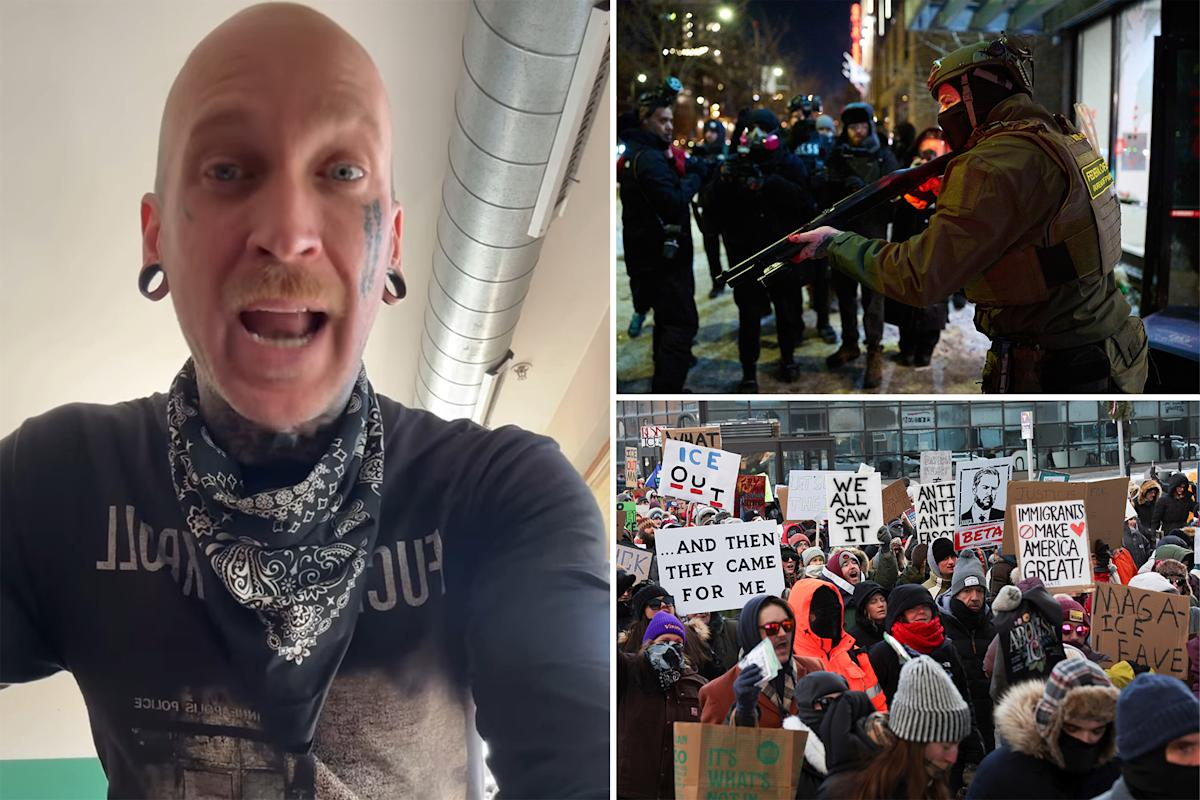
Kyle Wagner has emerged as a polarizing figure in Minneapolis after posting a series of social media videos urging armed supporters to confront federal immigration officials in the wake of a fatal shooting involving U.S. Border Patrol. Identifying himself publicly as an Antifa activist, Wagner framed his calls as a response to what he described as escalating violence by federal agents, while critics argue his rhetoric risks inflaming already volatile conditions in the city.
The controversy has unfolded against the backdrop of federal reviews into recent law enforcement shootings, public protests, and renewed national debate over immigration enforcement and political extremism.
The attention surrounding Wagner intensified following the January 24 shooting death of Alex Pretti, an ICU nurse at a Veterans Affairs hospital, during an encounter with Border Patrol agents in Minneapolis. As officials and witnesses continue to dispute the precise circumstances of that incident, Wagner’s videos circulated widely online, prompting condemnation from local political figures and raising questions about the role of social media activism in moments of civic unrest.
Kyle Wagner’s Background and Online Persona
Kyle Wagner is not a public official or recognized leader of a formal political organization, but he has cultivated an online persona that places him squarely within the ecosystem of far-left activism. In videos posted to Instagram, Wagner introduced himself bluntly to viewers, declaring, “I’m Kyle, I’m Antifa,” and characterizing his role as that of a provocateur. He described himself as a “master-hate-baiter,” a term suggesting an intentional effort to provoke reaction and amplify attention through inflammatory language.
Wagner’s online presence has been shaped by confrontational rhetoric aimed at law enforcement, federal agencies, and political opponents. His messaging relies heavily on emotionally charged language, depicting immigration officials as existential threats and framing federal enforcement actions as violent occupation. In the videos that drew the most scrutiny, Wagner accused federal agents of “killing people in the streets” and labeled them “mass murderers” and “fascist occupiers,” language that resonated with some activist circles while alarming others.
A notable element of Wagner’s statements is his emphasis on masculinity and physical confrontation. In addressing concerns raised by women who feared for the safety of male family members, Wagner argued that the situation demanded “good men in the streets, armed and ready to protect innocent people.” This framing, critics say, echoes the logic of vigilante movements rather than organized political protest, blurring the line between speech and incitement.
Despite encouraging armed resistance, Wagner later acknowledged in a separate video that he himself cannot legally possess a firearm. Even so, he urged those who are legally able to own guns to “show up,” reinforcing the perception that his calls were directed at mobilizing others rather than engaging personally in violence.
This is Kyle Wagner who is a constant in Minneapolis antifa but should be a lesson on what meth and propaganda do to your brain. The videos are from yesterday the still photo is from 2016. Don’t do drugs. pic.twitter.com/8fAjaj0qWo
— Sam 🇺🇸 (@SamMoline1) January 25, 2026
In another clip, he appeared to taunt immigration officials, suggesting that if agents were willing to use lethal force against civilians, then “gloves off” rules should apply to opponents as well. Some of Wagner’s content was subsequently removed from Instagram, including a video in which he claimed there was an “actual guerrilla war in our streets.” The removals have fueled further debate about content moderation, free speech, and the responsibilities of platforms during periods of heightened political tension.
The Alex Pretti Shooting and Federal Response
The immediate catalyst for Wagner’s videos was the fatal shooting of Alex Pretti, a 30-year-old ICU nurse employed at a VA hospital. According to federal officials, Pretti was shot by a U.S. Border Patrol agent during an encounter in Minneapolis while he was recording officers conducting an operation. Authorities stated that Pretti approached agents with a 9mm handgun and resisted attempts to disarm him, prompting the use of lethal force.
That official account has been challenged by eyewitnesses and bystander video, which have raised questions about the sequence of events and the degree of threat Pretti posed at the time of the shooting. The existence of conflicting narratives has intensified public scrutiny and contributed to protests and confrontations between anti-ICE activists and federal agents across the city.
Read : 37-Year-Old ICU Nurse Alex Pretti Fatally Shot by Federal Agents in Minneapolis
President Donald Trump confirmed that his administration is reviewing the incident, stating that federal authorities are examining all available evidence before reaching a determination. Trump publicly expressed discomfort with the shooting while also noting that Pretti was carrying a loaded firearm, underscoring the tension between concerns about law enforcement conduct and the legal realities surrounding armed civilians.
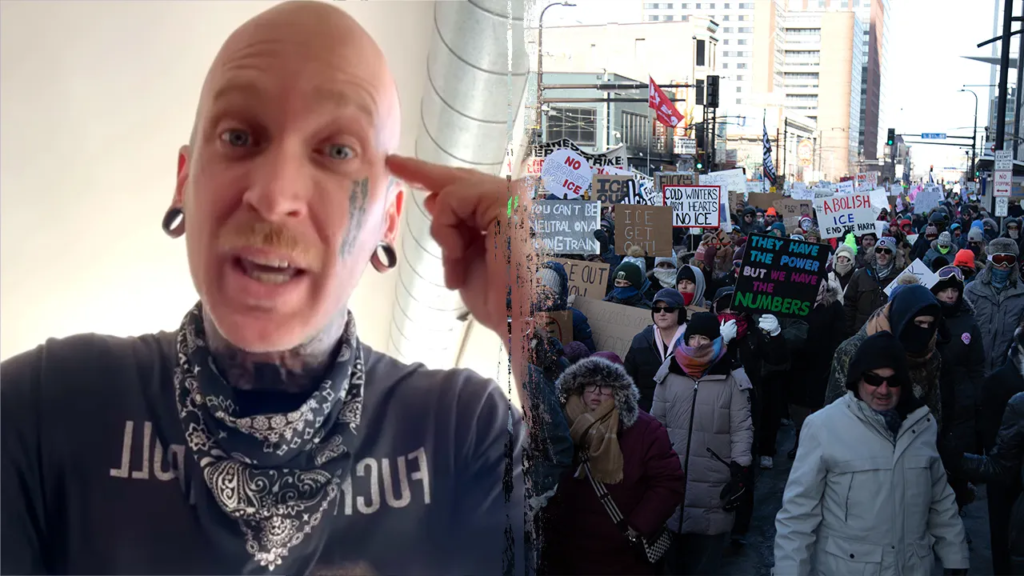
The Pretti case is one of two fatal encounters involving federal immigration agents in Minneapolis this month, amplifying perceptions of a pattern and deepening mistrust among certain segments of the public. Federal reviews of such incidents are standard procedure, but the visibility of this case, combined with ongoing protests, has elevated it into a national conversation about accountability, use of force, and the role of immigration enforcement in urban communities.
Within this environment, Wagner’s framing of the shooting as evidence of systemic violence found a receptive audience among some activists. Others, however, argue that conflating an unresolved investigation with definitive claims of murder risks prejudging the outcome and escalating tensions before facts are fully established.
Political Backlash, Public Safety Concerns, and Broader Implications
Wagner’s remarks prompted swift condemnation from local political figures, including former Minneapolis GOP chair Shawn Holster, who criticized Wagner as a “wannabe influencer” exploiting tragedy to build attention and exacerbate unrest. Holster argued that figures who encourage confrontation contribute to instability and that removing such voices from the public stage would help de-escalate tensions in Minneapolis.
Read : 19-Year-Old Joffre Alexander Jara Llangari Chased and Detained by Border Patrol After Crash
Law enforcement advocates and public safety officials have expressed concern that calls for armed mobilization, even when framed as defensive, increase the risk of violent encounters. From this perspective, Wagner’s videos represent not just provocative speech but a potential catalyst for real-world harm, particularly in a city still grappling with the legacy of previous high-profile clashes between police and protesters.
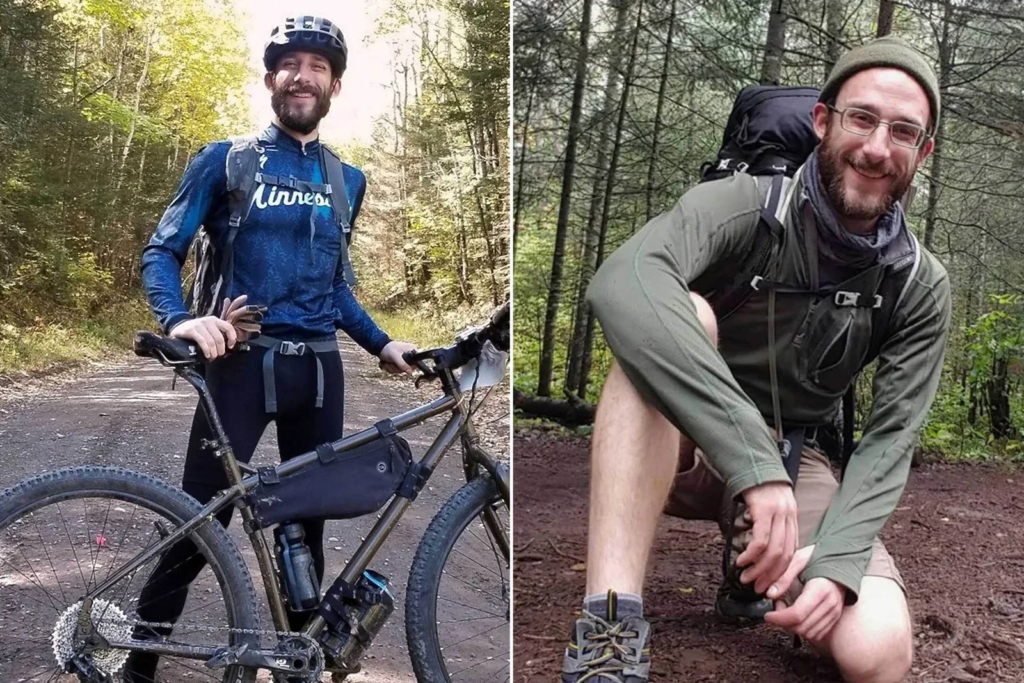
Civil liberties advocates, meanwhile, have emphasized the importance of protecting free expression while also acknowledging that speech urging violence can cross legal and ethical boundaries. The distinction between advocating protest and encouraging armed resistance remains a central point of debate, especially when rhetoric is disseminated rapidly through social media platforms with large and diverse audiences.
The episode also highlights the fragmented nature of modern activism, where individuals without formal leadership roles can exert outsized influence through viral content. Wagner’s ability to draw national attention illustrates how decentralized movements can be shaped by personalities whose messaging may not reflect the views or strategies of broader coalitions.
At a broader level, the controversy underscores the volatility surrounding immigration enforcement in the United States. Federal agencies such as ICE and Border Patrol operate within a politically charged environment, particularly in cities with strong activist networks opposed to their presence. When enforcement actions result in injury or death, even under disputed circumstances, they can serve as flashpoints for wider unrest.
As federal reviews of the Pretti shooting continue, the long-term impact of Wagner’s statements remains uncertain. What is clear is that the convergence of social media activism, unresolved investigations, and deeply polarized views on immigration and law enforcement has created a climate in which rhetoric carries heightened stakes. In such conditions, the words of individual activists can reverberate far beyond their immediate audiences, shaping public discourse and, potentially, events on the ground.