
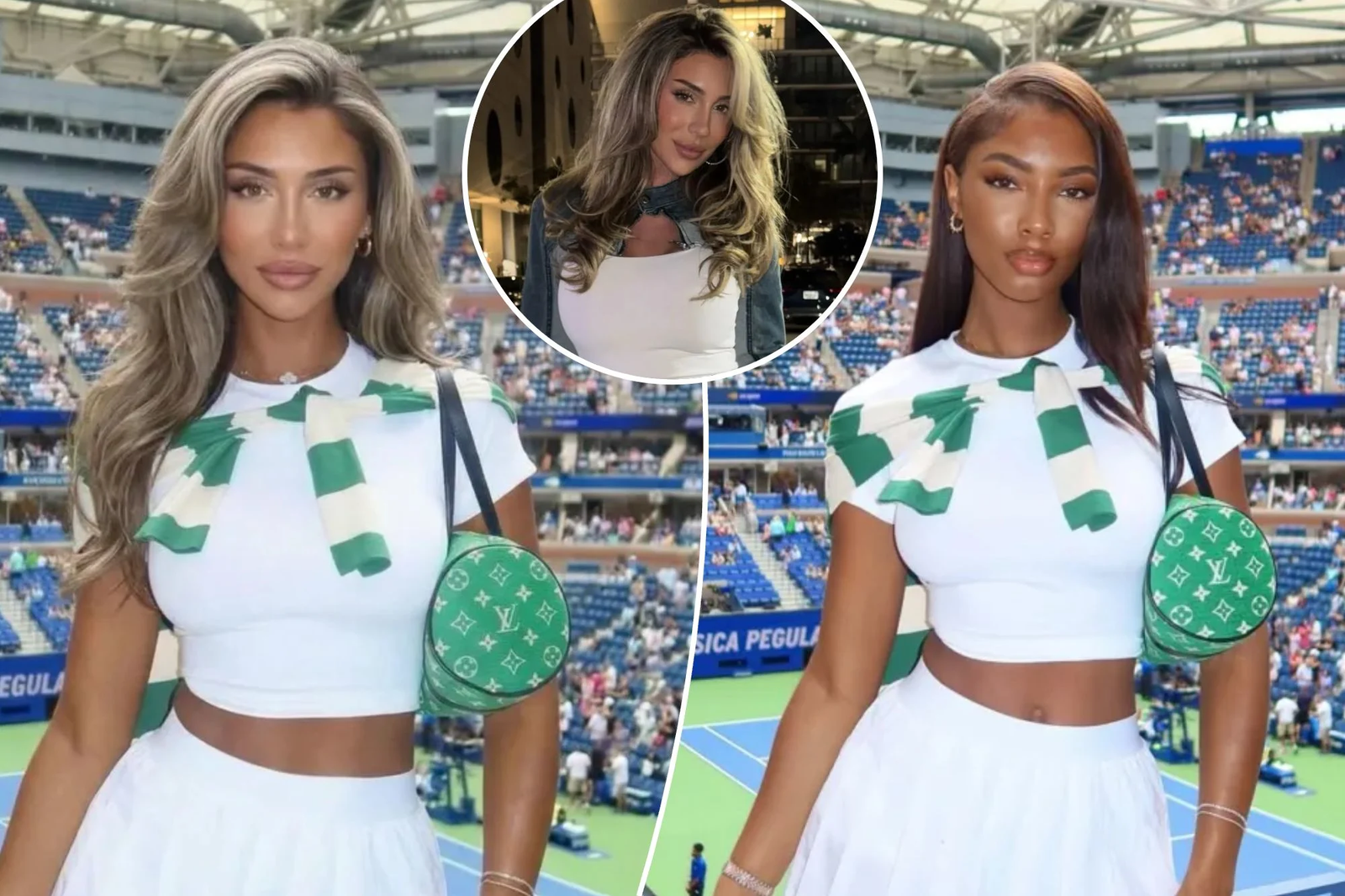
The controversy surrounding Lauren Blake Boultier has sparked widespread debate across social media platforms, raising questions about authenticity, accountability, and the growing role of artificial intelligence in digital content creation. With a following of over 1.6 million, Boultier built her online presence through carefully curated images and lifestyle content. However, her reputation came under scrutiny after users accused her of digitally placing her face onto another woman’s body—specifically that of Black model Tatiana Elizabeth. What initially appeared to be a routine social media post quickly turned into a high-profile dispute involving issues of originality, credit, and the ethical use of AI tools.
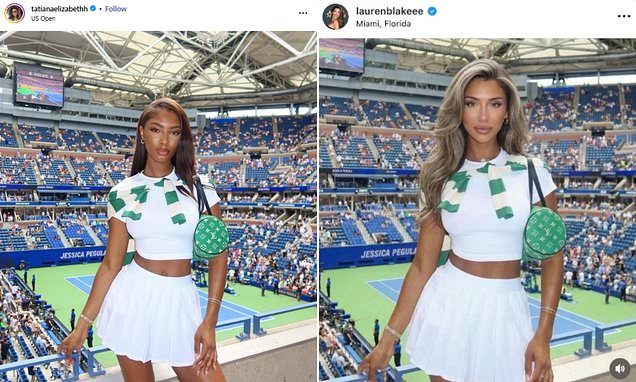
The incident gained traction when Boultier posted an image suggesting she had attended a major tennis event. Observant users quickly identified inconsistencies, noting that the background and setting matched a previous image posted by Tatiana Elizabeth from the US Open in 2024. Further comparisons revealed identical elements, including outfit, pose, and even a visible wrist tattoo, leaving little doubt that the original image had been altered. The only noticeable difference was the face, which appeared to have been digitally replaced with Boultier’s.
As the backlash intensified, Boultier issued a public statement acknowledging the situation and attributing the altered image to a third-party AI content agency she had been working with. She claimed the use of Elizabeth’s likeness was inconsistent with her values and stated that she had taken full responsibility for the content posted on her platform. Despite removing the image and issuing an apology, the response did little to settle the controversy, particularly for Elizabeth, who publicly rejected the explanation.
The Rise of Lauren Blake Boultier and Her Online Persona
Lauren Blake Boultier’s presence on social media reflects a broader trend of influencers who build large audiences through aspirational content, visual storytelling, and consistent engagement. Her profile showcases a polished lifestyle, often featuring travel, fashion, and event-based content that appeals to a wide demographic. Like many influencers operating at her level, her success is closely tied to visual authenticity and audience trust, both of which became central issues in the controversy.
Influencers of Boultier’s scale often collaborate with external agencies to streamline content production, especially as demand for frequent and high-quality posts increases. These agencies may assist with editing, branding, and even AI-generated enhancements. However, the reliance on such services introduces potential risks, particularly when oversight is limited. In Boultier’s case, her claim that the altered image originated from an external agency raised questions about how much control influencers maintain over their own content and whether outsourcing creative processes compromises accountability.
The situation also highlights how influencer culture increasingly intersects with emerging technologies. AI tools capable of generating or modifying images have become more accessible, allowing creators to experiment with content in new ways. While this opens doors for creativity, it also blurs the line between real and fabricated experiences. For audiences, distinguishing between genuine moments and digitally constructed ones becomes more difficult, potentially eroding trust in influencer narratives.
Read : Exploring Ethiopia: Top Ten Selfie Spots for Capturing African Majesty
Boultier’s response emphasized her intention to implement stricter oversight moving forward. She stated that she would ensure her content is handled with greater integrity and respect. However, the controversy suggests that for influencers operating at a large scale, responsibility cannot be entirely delegated. The expectation remains that individuals maintain full accountability for what appears on their platforms, regardless of who creates it.
Tatiana Elizabeth’s Response and the Question of Authenticity
Tatiana Elizabeth’s reaction to the incident brought a different perspective to the forefront, focusing on the broader implications of such actions. She publicly challenged Boultier’s apology, describing it as insincere and suggesting it was an attempt to move past the situation without genuine accountability. Her response resonated with many users who viewed the incident not just as a case of image manipulation, but as an example of deeper issues within the influencer industry.
Elizabeth highlighted the significance of the original photo, explaining that it was taken during an important career moment when she attended the US Open. According to her, the experience was the result of years of effort and professional growth. The idea that someone could digitally insert themselves into that moment raised concerns about the value of lived experiences and the ease with which they can be replicated or appropriated through technology.
Read : Who is Joleen Weiss, the Crying Influencer Barred from Flight for Cursing Out Gate Agent?
She also addressed the historical context surrounding Black women in media and fashion, pointing out that their work and influence have often been imitated without proper recognition. In her view, the incident was not isolated but part of a larger pattern where originality and effort are overlooked. Her comments added a layer of social and cultural significance to the controversy, shifting the conversation beyond a single image to broader questions about representation and credit.
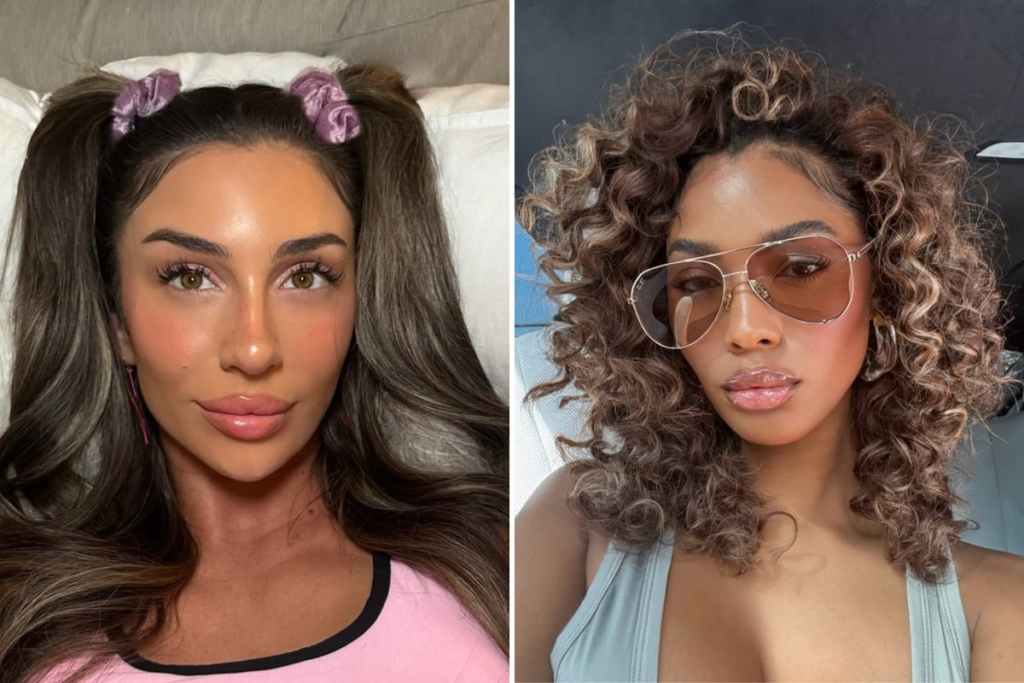
Despite her criticism, Elizabeth made it clear that she did not support online harassment directed at Boultier. However, she argued that the backlash was a direct consequence of the influencer’s actions, particularly the attempt to attribute the issue to external factors like AI and third-party agencies. For many observers, this aspect of the controversy became a key point of discussion—whether acknowledging responsibility is enough, or if genuine accountability requires a more direct and transparent response.
The comparison between the two images played a crucial role in shaping public opinion. Users noted the identical setting at Arthur Ashe Stadium, the same clothing, and matching details, which reinforced the perception that the edit was deliberate rather than accidental. This visual evidence made it difficult for Boultier’s explanation to gain widespread acceptance, as the similarities were too precise to ignore.
AI, Influencer Culture, and the Growing Debate Over Digital Ethics
The incident involving Lauren Blake Boultier and Tatiana Elizabeth reflects a broader shift in how content is created and consumed in the digital age. Artificial intelligence has become an increasingly powerful tool in social media, enabling creators to produce highly polished and sometimes entirely fabricated content. While this technology offers new possibilities, it also raises ethical concerns about originality, consent, and transparency.
One of the central issues highlighted by this controversy is the concept of digital authenticity. Social media platforms are built on the idea of sharing real experiences, yet the use of AI and advanced editing tools challenges that foundation. When influencers present altered or fabricated content as genuine, it undermines the trust that audiences place in them. Over time, this can have wider implications for the credibility of online content as a whole.
The rise of “virtual influencer” style content further complicates the landscape. Some creators intentionally use AI to construct entirely fictional personas, while others integrate subtle enhancements into real images. In Boultier’s case, the alteration crossed a line by incorporating another person’s identity and achievements without permission. This distinction is critical, as it shifts the issue from creative experimentation to ethical misconduct.
The controversy also underscores the importance of consent in digital content creation. Using someone else’s image, particularly in a way that replaces their identity, raises serious questions about ownership and rights. For models and creators like Elizabeth, whose careers depend on their image and personal brand, such actions can have tangible consequences. It is not merely a matter of aesthetics but one of professional integrity and recognition.
As AI continues to evolve, the need for clear guidelines and ethical standards becomes more pressing. Platforms, agencies, and creators all play a role in shaping how these tools are used. Transparency about editing practices, proper attribution, and respect for original creators are likely to become increasingly important in maintaining credibility.
The situation also reflects changing audience expectations. Social media users are more vigilant than ever, often scrutinizing content for inconsistencies and calling out perceived misconduct. This level of engagement means that controversies can escalate بسرعة, as seen in this case. For influencers, maintaining trust requires not only creating appealing content but also ensuring that it aligns with ethical standards.
Lauren Blake Boultier’s controversy serves as a case study in the challenges of modern digital influence. It highlights how quickly a single post can lead to widespread criticism and how difficult it can be to regain trust once it is lost. At the same time, Tatiana Elizabeth’s response emphasizes the importance of recognizing and respecting the work of others, particularly in an environment where boundaries between originality and imitation are increasingly blurred.
The debate sparked by this incident is unlikely to fade quickly, as it touches on issues that extend beyond any single individual. As technology continues to reshape the way content is produced, questions about authenticity, accountability, and ethical responsibility will remain central to the future of influencer culture.