
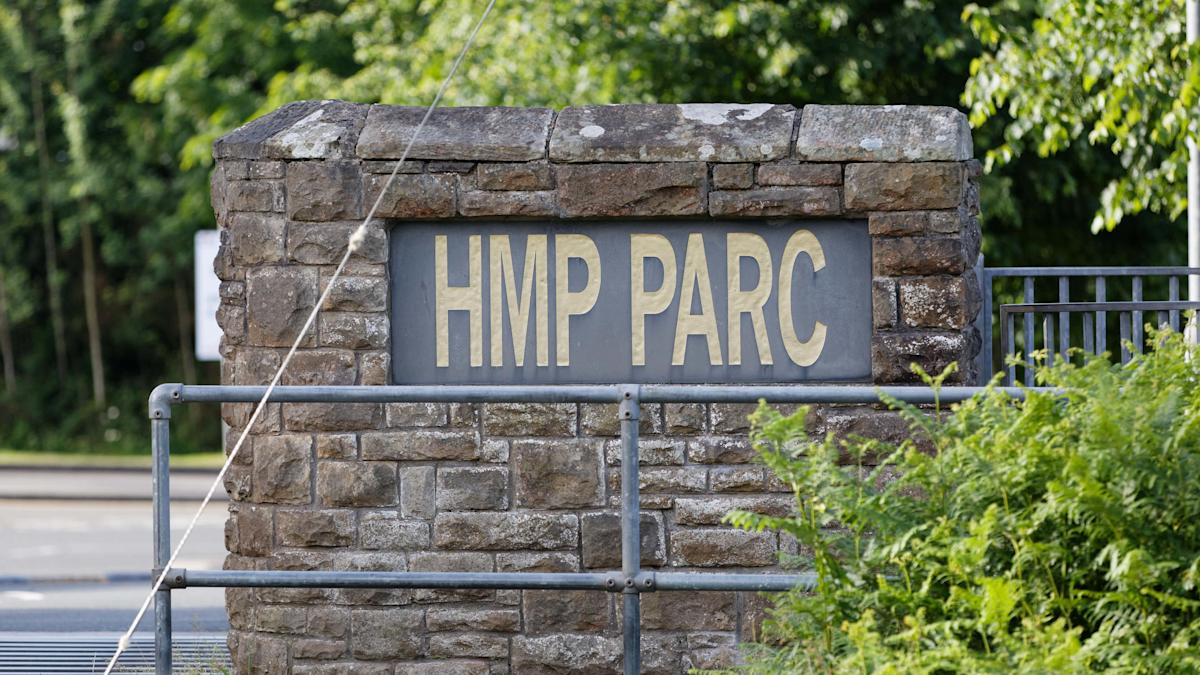
The recent revelation of leaked messages from staff at HMP Parc, a privately run prison in Bridgend, Wales, has raised serious concerns about the treatment of inmates.
These messages, shared on social media last summer and now exposed, depict prison officers joking about violence towards prisoners, celebrating excessive force, and making light of self-harm incidents.
With at least 17 inmate deaths recorded in 2024, more than any other prison, these findings have sparked outrage and prompted an ongoing investigation.
G4S, the company responsible for managing HMP Parc, insists on maintaining a “zero tolerance” policy towards staff misconduct. However, the leaked exchanges paint a starkly different picture, highlighting systemic issues within the prison.
Disturbing Revelations: Jokes About Violence and Self-Harm
The leaked messages reveal an alarming culture of dehumanization and brutality within HMP Parc. Staff members were seen laughing about violent encounters with inmates, with one officer stating that prisoners “need to be broken mentally and physically.” Such statements suggest an entrenched mindset of cruelty rather than rehabilitation, contradicting the fundamental principles of a correctional facility.
One particularly shocking message referenced an incident where officers allegedly forced an inmate into a shower violently, with a staff member responding, “Good! I hope they hurt him too.”
In another conversation, an officer joked about punching an inmate after being bitten, using an expletive and a laughing emoji to dismiss the act of physical retaliation. These comments, exchanged casually among prison staff, expose a toxic culture where violence is normalized and even celebrated.
Read : Wife Couldn’t Stop Husband’s Suicide in HMP Wormwood Scrubs Cell Due to Broken Intercom
Equally concerning are the messages mocking prisoners at risk of self-harm or suicide. Instead of demonstrating concern or responsibility, some officers treated these situations as sources of amusement. The indifference displayed in these exchanges raises significant ethical and legal questions about the duty of care owed to inmates.
Read : Jailed Critic of President Putin Shifted to Prison Hospital
Given that the prison has seen an alarming number of deaths this year, the lack of empathy exhibited by certain staff members only adds to the growing concerns about conditions inside HMP Parc.
Investigations, Arrests, and Institutional Accountability
Following these revelations, authorities have launched multiple investigations into HMP Parc’s operations. The UK’s prison service corruption unit has been scrutinizing the facility, while South Wales Police have made several arrests in connection with allegations of excessive force and misconduct.
In September 2024, four custody officers were arrested on suspicion of assault and misconduct in public office. While they were later released without charge, the investigation continued, leading to an additional round of arrests in January 2025.
A total of six individuals, including officers from Llanelli, Bridgend, Swansea, Barry, Taibach, and Cardiff, were taken into custody. Some were bailed, while others remain under investigation.
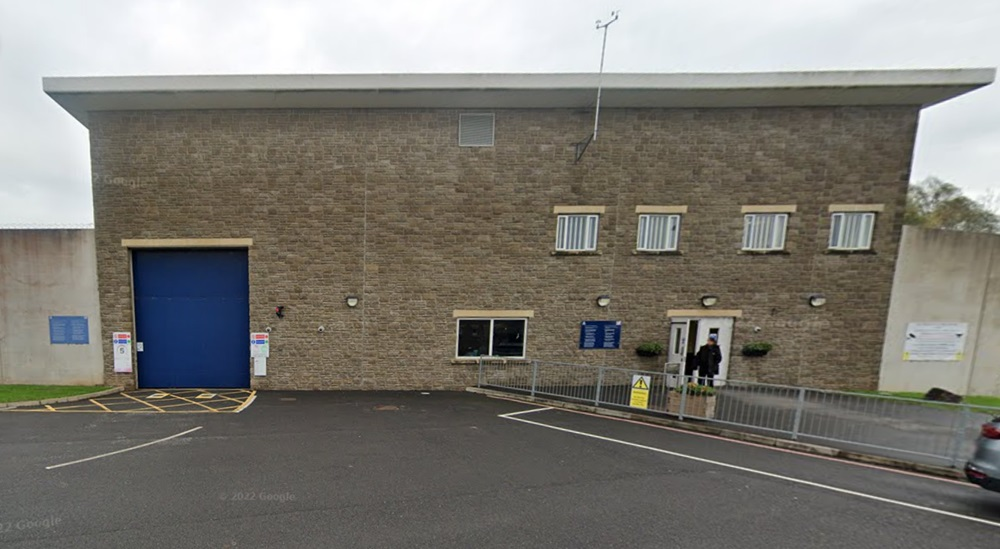
G4S, which has long been under scrutiny for its management of prisons, responded by dismissing three of the arrested staff members and suspending a fourth pending disciplinary action. The company maintains that the vast majority of its employees are honest and hardworking. However, the leaked messages suggest that such misconduct is not isolated, raising broader concerns about the prison’s culture.
While G4S claims to enforce strict policies against abusive behavior, critics argue that systemic failures have allowed such incidents to occur unchecked. The fact that officers felt comfortable enough to share these messages publicly suggests a deep-rooted problem within the institution—one that requires urgent reform.
The Need for Transparency and Reform in the UK’s Private Prisons
The revelations surrounding HMP Parc raise critical questions about the privatization of the UK’s prison system and the effectiveness of corporate management in ensuring inmate safety and rehabilitation.
Privately run prisons, such as those operated by G4S, have faced repeated accusations of negligence, understaffing, and cost-cutting at the expense of inmate welfare. The exposure of these messages only strengthens the argument for increased oversight and accountability in such facilities.
One of the key concerns is whether private companies prioritize profit over humane conditions. Reports of staff joking about excessive force, mocking self-harm incidents, and expressing violent attitudes toward inmates indicate a failure of management and oversight. Without stricter regulations and regular independent inspections, such abuses can continue unnoticed.

Moreover, the high number of deaths at HMP Parc in 2024 demands urgent attention. Prisons are meant to be centers of rehabilitation, not places where inmates face mistreatment, neglect, or worse, lose their lives under suspicious circumstances.
While some might argue that inmates have committed crimes and deserve punishment, international human rights standards affirm that all individuals, regardless of their past actions, are entitled to dignity and humane treatment.
Reforming the prison system requires more than just dismissing a few staff members. It demands a cultural shift within institutions like HMP Parc, where officers view their roles as rehabilitative rather than punitive.
Training programs, stricter hiring processes, and external oversight mechanisms must be implemented to prevent future abuses. Additionally, whistleblower protections should be strengthened to encourage ethical staff members to report misconduct without fear of retaliation.
The leaked messages from HMP Parc provide a rare and unsettling glimpse into the reality of life inside one of the UK’s private prisons. The casual way in which some staff members discussed and even celebrated violence against inmates points to a deeply entrenched culture of abuse.
With multiple investigations underway, there is hope that those responsible will be held accountable. However, broader systemic changes are necessary to prevent such misconduct from recurring.
If the UK is to uphold its commitment to human rights and fair treatment, its prison system—especially private facilities like HMP Parc—must undergo serious reform. Transparency, accountability, and a fundamental shift in prison culture are essential to ensuring that all individuals, regardless of their circumstances, are treated with the dignity they deserve.