
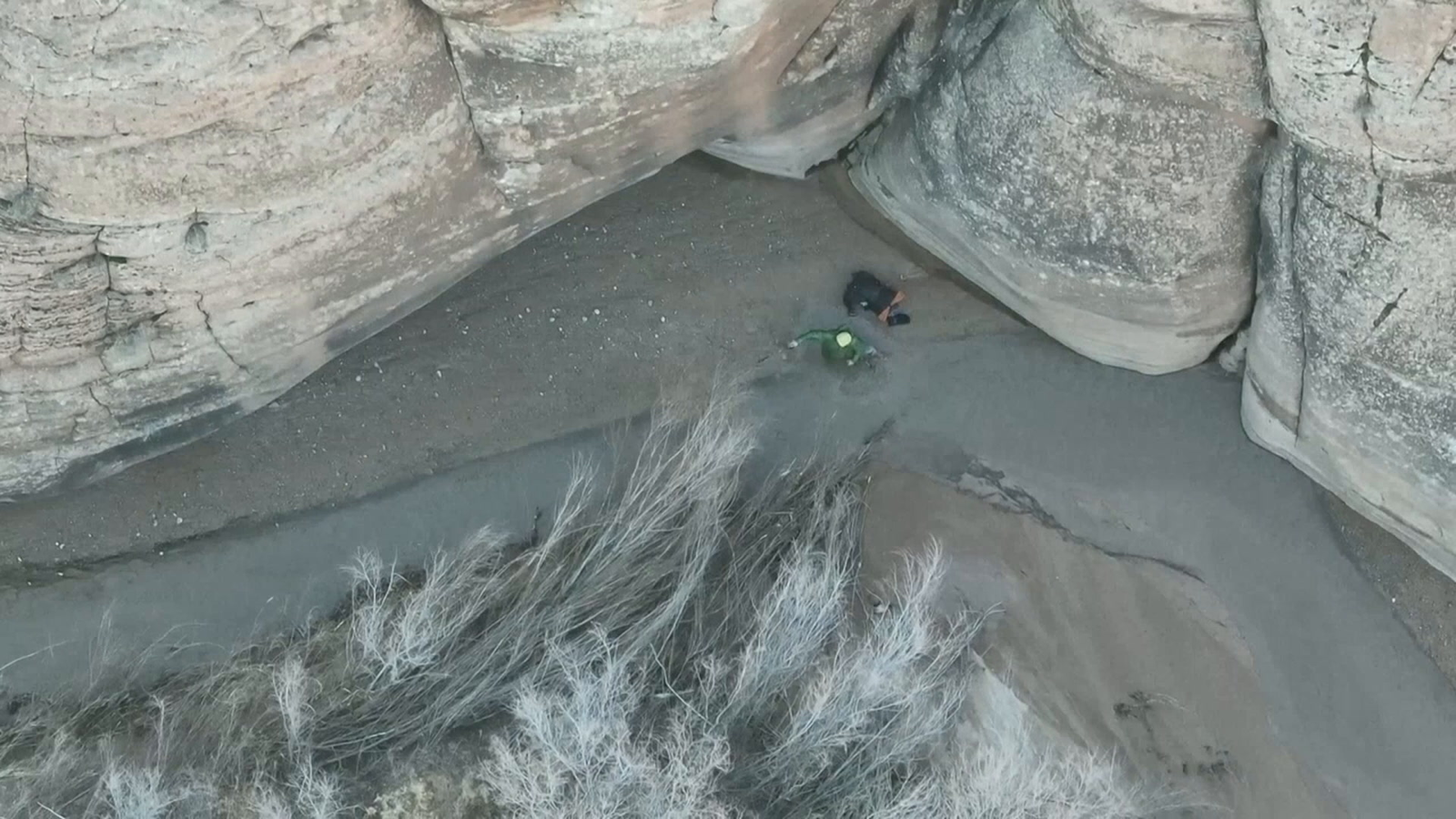
A fatal climbing accident on Colorado’s Citadel Peak has drawn renewed attention to the risks associated with high-altitude mountaineering, even under seemingly favorable conditions. On New Year’s Day, a man died after falling hundreds of feet from a rocky ridge along the Continental Divide, according to local rescue officials. The incident occurred despite clear weather and involved climbers who were described as experienced and well-equipped. Authorities have not released the man’s identity, and the circumstances surrounding the fall remain under investigation.
Citadel Peak, located in the rugged Elk Mountains of central Colorado, is known for its technical terrain and sharp ridgelines. While it does not rank among the state’s highest fourteeners, it poses significant challenges due to loose rock, exposure, and rapidly changing mountain conditions. The fatal fall underscores how quickly an outing can turn tragic, even for those who appear prepared and knowledgeable about the terrain.
The man was climbing with a 29-year-old woman, who survived the incident but became stranded on the ridge after her partner fell. Rescue officials described the event as a tragic accident, emphasizing that no immediate evidence suggests negligence or recklessness on the part of either climber. The rescue operation that followed was complex, requiring coordination between multiple agencies and the use of military aviation assets due to difficult weather and terrain.
The Fatal Fall on Citadel Peak
According to officials with the Alpine Rescue Group, the man fell from a ridge while climbing with his partner on Thursday afternoon, January 1. The woman reported the fall around 2 p.m., prompting an immediate response from search and rescue teams. The location of the accident was above the snow line, in a rocky section of the peak, where climbers often contend with exposed ledges and steep drop-offs.
Steve Wilson of the Alpine Rescue Group told CBS Colorado that the pair were climbing in rock rather than snow at the time of the incident. He described the accident as tragic, noting that the climbers appeared to be doing everything right. “They seemed prepared, they seemed equipped. They seemed experienced,” Wilson said. “Accidents happen. That’s an unfortunate way to end the year. A tragic end.”
While the exact cause of the fall has not been determined, rescue officials said there was no immediate indication of equipment failure. In high-alpine environments like Citadel Peak, even a minor slip or dislodged rock can have fatal consequences due to the extreme exposure. Loose rock is a known hazard in the Elk Mountains, and climbers are often warned that routes can be deceptive, appearing stable while hiding unstable sections.
The weather at the time of the accident was described as warm and favorable, conditions that might encourage climbers to attempt routes that would be more dangerous in winter snow and ice. However, favorable weather does not eliminate the inherent risks of steep alpine climbing. Rescue officials stressed that even experienced climbers can encounter unpredictable conditions, including sudden wind gusts, shifting rock, or momentary loss of balance.
Read : Bizarre! 17-Year-Old Boy Wakes Up from Knee Surgery Speaking Only Foreign Language
The man’s death was confirmed at the scene later that evening after rescue teams were able to access the area. His body was recovered by approximately 8 p.m., several hours after the initial emergency call. The woman, though uninjured, was unable to descend on her own and required assistance to be brought safely off the mountain.
Challenging Rescue Effort in High Winds
The rescue operation that followed the reported fall highlighted the logistical challenges of responding to emergencies in Colorado’s high mountains. Initial attempts to reach the scene by helicopter were hampered by strong winds and the sharp, narrow profile of Citadel Peak. According to Wilson, helicopters had difficulty getting close enough to land safely or to position rescuers near the stranded climbers.
“Obviously, it’s a sharp peak. They can’t land right where our subjects are,” Wilson explained. “And as we’re trying to find good places to land close enough to be useful, the winds just weren’t cooperating at the time. So they just had to abort.”
Read : The Fascinating Story Behind Machu Picchu’s Name
With civilian helicopter access limited, authorities requested assistance from the Colorado National Guard. A Black Hawk helicopter was deployed to the area, providing the capability needed to operate in the challenging conditions. Members of the Alpine Rescue Team were transported by the helicopter, while additional rescuers made their way toward the site on foot, navigating steep and technical terrain as daylight faded.

Once on scene, rescuers were lowered by rope to reach both the location where the man had fallen and the position where the woman remained stranded. Wilson described the woman’s situation as precarious, though not immediately life-threatening. She was unable to climb down safely on her own due to the difficulty of the terrain and the potential risk of another fall.
“I don’t think she was in danger of falling, but it would have been very difficult to access her,” Wilson said. “It would have been very difficult to climb herself down.” The operation required careful coordination to ensure the safety of both the stranded climber and the rescue personnel. High winds, darkness, and the steepness of the peak all added layers of complexity. Despite these challenges, rescuers successfully recovered the man’s body and evacuated the woman by the evening hours.
The Alpine Rescue Group and the Colorado National Guard did not immediately release additional details about the operation, and officials said it could take time to fully understand how the accident occurred. The Independent has contacted the Alpine Rescue Team for further information.
A Day Marked by Multiple Tragedies in Colorado’s Backcountry
The fatal fall on Citadel Peak occurred on the same day another deadly incident was reported in Colorado’s backcountry, underscoring the diverse and sometimes unpredictable dangers faced by outdoor enthusiasts in the state. On Thursday, authorities also confirmed the death of a hiker on the Crosier Mountain trail in what investigators believe may have been a mountain lion attack.
Read : 2 Mountain Lions Euthanized After Woman Killed While Hiking on Crosier Mountain Trail
According to the Associated Press, the woman was found with wounds consistent with a mountain lion attack, as confirmed by Kara Van Hoose of Colorado Parks and Wildlife. Following the discovery, officials located and killed two mountain lions in the vicinity, one of which was found at the scene. A necropsy will be conducted to determine whether either of the animals was responsible for the attack.

While the two incidents are unrelated, their occurrence on the same day highlights the range of risks present in Colorado’s wilderness areas, from technical climbing hazards to encounters with wildlife. Colorado’s backcountry attracts climbers, hikers, and adventurers from around the world, drawn by its dramatic landscapes and challenging terrain. At the same time, search and rescue officials regularly emphasize that even well-prepared individuals can find themselves in dangerous situations.
Citadel Peak itself has a reputation among climbers as a demanding objective. Its routes involve exposed scrambling and climbing, often on loose rock. Unlike more heavily trafficked peaks, Citadel sees fewer visitors, meaning that accidents may go unwitnessed and rescues can take longer to initiate. Rescue officials noted that the woman’s ability to report the fall promptly was critical in launching the response.
Wilson reflected on the broader context of such accidents, noting that many who venture into Colorado’s high country do so out of a deep appreciation for the outdoors. “They’re doing what they love,” he said. “They’re enjoying the back country of Colorado, which is an amazing, beautiful place.” Authorities continue to remind climbers and hikers to carefully assess conditions, plan routes conservatively, and be prepared for emergencies. While experience and preparation can reduce risk, they cannot eliminate it entirely, particularly in alpine environments where terrain and weather can change rapidly.
As investigators work to determine the precise circumstances of the fall on Citadel Peak, the incident serves as a stark reminder of the inherent dangers of high-altitude climbing. The man’s death marks a tragic beginning to the new year for Colorado’s outdoor community, even as rescue officials and fellow climbers reflect on the unpredictable nature of the mountains and the challenges faced by those who seek to explore them.
Alright gamers, I had a look at pak92game. Its pretty fun and runs great. Check it out here:pak92game
**mitolyn official**
Mitolyn is a carefully developed, plant-based formula created to help support metabolic efficiency and encourage healthy, lasting weight management.