
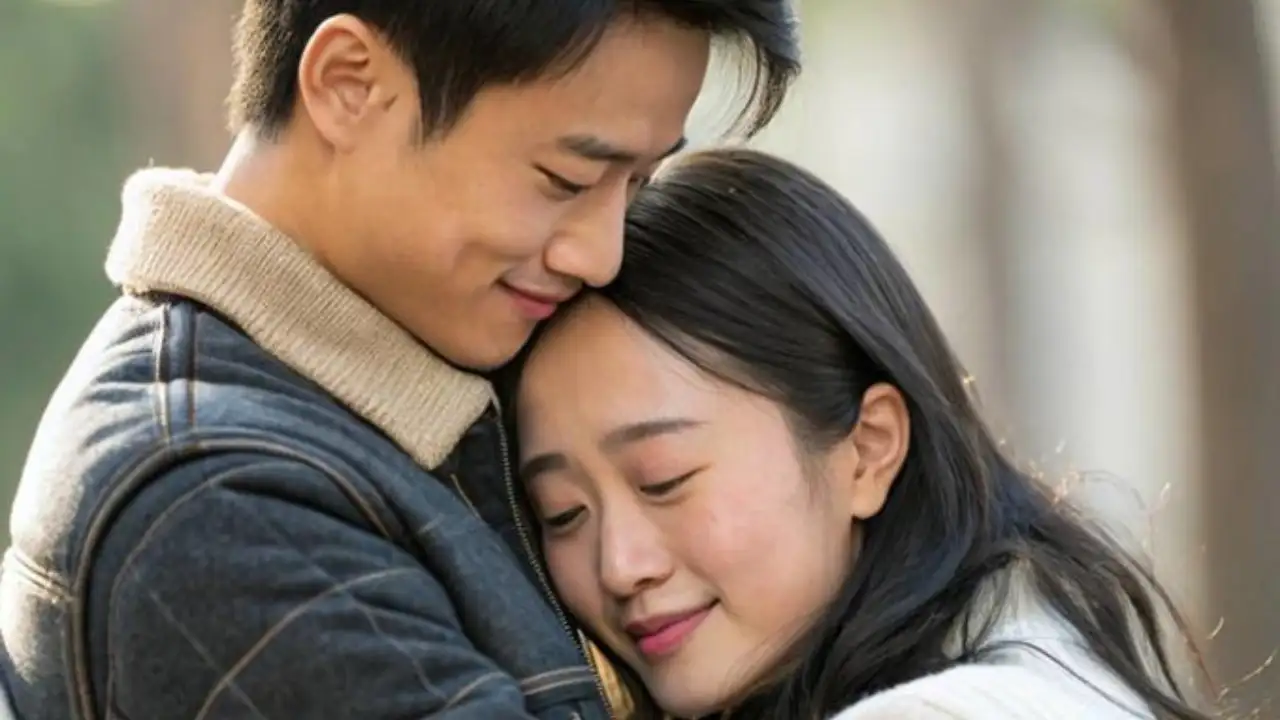
In recent years, China has seen a fascinating and somewhat unconventional social phenomenon emerge on its digital platforms — the rise of “man mums.” This trend involves men offering brief hugs to young women in exchange for a small fee, typically ranging between 20 to 50 yuan for just five minutes of comforting embrace.
At its core, the practice addresses a deep human need for comfort and emotional support, especially amid the pressures and anxieties of modern life. What started as a niche trend focused on muscular, physically strong men has evolved into a more nuanced movement emphasizing kindness, patience, and emotional warmth.
Origins and Evolution of the Man Mums Trend
The term “man mums” originally referred to a specific archetype: strong, muscular men who could offer physical comfort akin to a motherly embrace, but from a masculine perspective. The idea of paying for a hug may sound unusual in many cultures, yet in China, where societal pressures often discourage open emotional expression, the practice quickly found an audience.
Young women, particularly in urban areas, are increasingly facing stress from work demands, academic pressures, and social expectations about appearance and behavior. The “man mums” phenomenon taps into the growing awareness of mental health and the importance of emotional well-being. Hugging, a simple physical act known to release oxytocin and reduce feelings of loneliness or anxiety, becomes a form of therapy or stress relief.
Through social media and chat apps, young women connect with these “man mums,” choosing them based on personal preferences that now extend beyond physical appearance to include qualities such as kindness, patience, and overall demeanor. This shift reflects a deeper need for genuine human connection rather than just physical strength. Hugs usually happen in public places like subway stations or shopping malls, making the encounters feel more casual and safe.
Read : Viral Dubai Chocolate TikTok Trend Sparks Global Pistachio Shortage
The price structure, with hugs costing roughly 20 to 50 yuan (approximately 3 to 7 US dollars), helps establish boundaries and ensures that the experience remains professional. Men who participate often say that the small fee discourages inappropriate behavior and keeps the interaction respectful and clearly defined.
Read : Viral ‘Stop Banana green’ Trend that Chinese Employees are Using to Fight Work Stress
One such “man mum,” Zhou, has reportedly given 34 hugs and earned 1,758 yuan, describing the service as a way to help women alleviate worries about their bodies or work pressures without turning it into a full-time job.
Emotional Needs Behind Paid Hugs: Perspectives of Women and Men
For the young women engaging with “man mums,” the appeal of a paid hug is not just about physical touch; it is the warmth and reassurance that come with human contact. Many women in China grow up in a culture where emotional restraint is encouraged, making it difficult to openly seek comfort or vulnerability, especially with strangers.
The idea of paying for a hug creates a structured, consensual environment that feels safe, respectful, and free of the complications often found in personal relationships.
One student, nervous about her thesis, sought a hug from a caring and fit man to relieve stress. She recalled a time when a hug in school made her feel safe and secure, a memory she hoped to recreate through the “man mums” experience. The choice of meeting place, often an underground subway station, underscores the need for neutral and public spaces where the interaction can occur without suspicion or discomfort.

From the men’s perspective, the trend provides a meaningful opportunity to contribute positively to others’ lives. Many “man mums” speak about the satisfaction they feel by offering comfort and support. Beyond the financial incentive, which remains modest, the experience boosts their self-esteem and confidence. One man noted that being able to help others feel better made him feel important and valued.
Charging a fee, even a small one, also helps men maintain clear boundaries between their role as a “man mum” and their personal lives. It creates a professional context that protects both parties and discourages misunderstandings or inappropriate behavior. This arrangement helps the men feel that their participation is purposeful and respected rather than exploitative or informal.
Social Implications and Future of the Man Mums Trend
The emergence of the “man mums” trend is a reflection of larger social and cultural shifts in China. Urban life is fast-paced and stressful, and traditional support networks such as extended families or close-knit communities may not be as accessible or willing to engage in emotional caregiving. This has left many young people searching for alternative ways to connect and decompress.
The trend also highlights how digital platforms and social media have transformed human interaction. Online apps facilitate the matching of individuals based on emotional needs and personality traits rather than proximity or prior acquaintance. It creates a new form of companionship — a transactional but deeply human exchange that is both practical and emotional.

Interestingly, the transactional nature of the hug service can be seen as empowering for both sides. Women who pay for the hugs get to define the terms of the interaction and select the qualities they want in their “man mum.” Men who provide the hugs receive compensation and recognition for their empathetic role, which might otherwise be undervalued or overlooked in traditional male roles.
However, there are also potential concerns about the sustainability and social consequences of this trend. Will “man mums” become a widespread profession or remain a niche, informal activity? How will society view this exchange of physical affection for money, especially in a culture where public displays of affection are often frowned upon? And does this trend suggest a growing emotional loneliness or a breakdown of traditional support systems?
Despite these questions, the current popularity of “man mums” signals a changing landscape in how people seek and provide comfort. The trend encourages a more open dialogue about emotional needs, physical touch, and mental health. It also reminds us that sometimes, simple acts like a hug can carry profound healing power, especially when delivered with kindness and respect.
The “man mums” trend in China is much more than a peculiar curiosity. It reflects evolving social attitudes toward emotional well-being, human connection, and boundaries in an increasingly hectic world. By offering paid hugs, these men help young women navigate stress and loneliness, creating moments of warmth and reassurance in public spaces.
The practice challenges traditional ideas about masculinity and caregiving and illustrates the importance of empathy in today’s society. As the trend grows and changes, it may offer valuable lessons on the power of touch and the human need for connection in a digital age.