

In 2023, Maria Paszkiewicz’s sudden and unexplained illness left her family and medical professionals in shock. Initially, her symptoms were chalked up to a mild food intolerance, a common misstep when it comes to bowel cancer.
This misdiagnosis ultimately led to a tragic sequence of events, culminating in Maria’s death just three days after she was diagnosed with terminal bowel cancer. This blog explores the details of Maria’s case, the implications of early misdiagnosis in bowel cancer, and how raising awareness about the condition can help save lives.
A Misunderstanding of Early Symptoms
Maria’s battle with bowel cancer began with common symptoms often dismissed as nothing more than a stomach upset. Changes in bowel habits, including increased frequency of toilet trips, as well as discomfort, were initially attributed to food intolerance.
Her doctor assumed that Maria was simply unable to digest certain foods properly, a common and often harmless condition that many people experience from time to time. The symptoms Maria exhibited were not immediately alarming enough for doctors to consider something more serious.
Many patients who experience gastrointestinal distress, bloating, and frequent bathroom visits often have these issues attributed to more benign conditions, like food intolerances or stress. In Maria’s case, the delay in considering the possibility of a more serious condition ultimately led to a much worse prognosis.
Despite her daughter, Anne-Marie, insisting that there was something more to her mother’s condition, it was not until Maria underwent a blood test that doctors discovered the true cause. The test revealed that she had advanced bowel cancer, which had already spread to her liver.
Read : Lisa Davenport Spared Jail for Suffocating Terminally Ill Father With Pillow to End His Pain
By the time the diagnosis was made, Maria was in the later stages of the disease, and her treatment options were severely limited. This was a devastating blow to her and her family, who had initially been hopeful that the symptoms could be managed with simple lifestyle changes.
The Devastating Diagnosis and Rapid Decline
After the diagnosis, Maria began chemotherapy, which initially seemed to show promising results. For a brief moment, there was hope that she could recover or at least slow the progression of the cancer. Unfortunately, after completing her chemotherapy regimen, the cancer rapidly returned, and further treatment was ineffective.
Read : Large Number of Lung Cancer Patients in India Never Smoked: Lancet Study
Maria’s daughter, Anne-Marie, recalled how the family had to quickly adjust their expectations when doctors told them that her mother had only 3 to 6 months to live. They started making plans, talking about how they would spend those months together, cherishing what little time they had left.

But their hopes were dashed when Maria’s health deteriorated quickly, and she passed away just three days after being told she had so little time remaining. Anne-Marie shared the emotional impact of this rapid decline, expressing how shocked and devastated they were by how quickly things spiraled out of control.
For families facing the emotional toll of a terminal diagnosis, the rapid progression of cancer can be overwhelming. Maria’s story highlights the devastating nature of late-stage cancer diagnoses, where the window for effective treatment is slim, and the progression can be shockingly fast. What was once seen as a minor health concern had become a matter of life and death, all within the span of just a few months.
The Rising Concerns Around Bowel Cancer
Bowel cancer, also known as colorectal cancer, is the second most common form of cancer in the UK, claiming the lives of around 17,000 people annually. The survival rate for those diagnosed with bowel cancer has steadily improved over the years, but it remains a disease that many struggle to survive.
Only half of those diagnosed with bowel cancer are expected to live for ten years or more, making it one of the deadliest types of cancer in the country. One concerning trend that has emerged in recent years is the increasing incidence of bowel cancer among people under 50.
Between 2007 and 2017, there was a 36% rise in diagnoses in this age group. While the exact reasons for this rise are still being studied, several factors are believed to be contributing to this alarming trend.

These include lifestyle changes, such as poor diet, increased consumption of ultra-processed foods, pollution, and the prevalence of exposure to toxic chemicals found in plastics and other environmental factors.
Experts suggest that there may be a complex interplay of genetic, environmental, and dietary factors contributing to the rise in younger individuals developing bowel cancer.
Ultra-processed foods, which are high in fat, sugar, and salt, are particularly concerning, as they have been linked to a variety of chronic health conditions, including cancer. Additionally, pollutants in the air and exposure to harmful chemicals are thought to be playing a role in the development of cancerous growths in the bowel.
This rising trend is compounded by the fact that younger patients are often less likely to be tested for bowel cancer, leading to later diagnoses. Medical professionals are typically more focused on other conditions when it comes to younger patients, assuming that they are less likely to develop such a serious illness.
This delay in diagnosis can lead to cases being caught at later stages, where treatment is more difficult and less effective, as seen in Maria Paszkiewicz’s case.
Early Detection and Raising Awareness
The tragic death of Maria Paszkiewicz serves as a poignant reminder of the importance of early detection and awareness of the symptoms of bowel cancer. If bowel cancer is detected early, the chances of successful treatment and long-term survival increase significantly.
Therefore, it is crucial that both individuals and healthcare professionals are aware of the symptoms and signs of bowel cancer, which can sometimes be easily mistaken for less serious conditions.
Common symptoms of bowel cancer include:
- Changes in bowel movements – This can include diarrhea or constipation that lasts for more than a few days.
- Increased or decreased frequency of bowel movements – A noticeable change in how often you need to go to the bathroom can be a sign of something more serious.
- Blood in stool – Blood in the stool, whether bright red or darker in color, can be a warning sign of bowel cancer.
- Stomach pain or bloating – Persistent stomach discomfort, bloating, or cramping that doesn’t go away could indicate a problem with the bowel.
- Unexplained weight loss – Losing weight without any changes to diet or exercise can be a sign that something is wrong.
- Fatigue – Feeling unusually tired or weak without a clear reason can be another warning sign.
If any of these symptoms persist, it is essential to consult a healthcare provider for further testing. While not all of these symptoms are necessarily caused by bowel cancer, they should never be ignored.
Raising awareness about the signs and symptoms of bowel cancer is crucial for ensuring earlier detection, particularly as younger people are increasingly being diagnosed. As seen in Maria’s case, the misinterpretation of symptoms as a harmless condition can delay diagnosis, leading to more severe health outcomes.
Maria Paszkiewicz’s Legacy
In memory of her mother, Anne-Marie Paszkiewicz has started a JustGiving campaign to raise funds for Macmillan Cancer Support, a charity that provides vital assistance to individuals and families affected by cancer. Through this campaign, Anne-Marie hopes to honor her mother’s legacy by helping others facing similar battles with cancer.
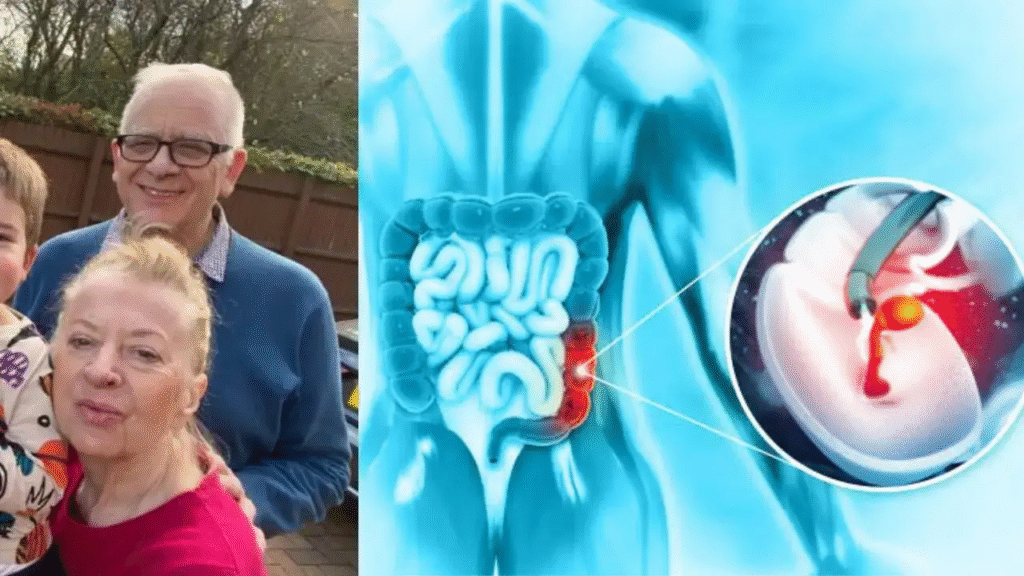
Her story is not only a personal tragedy but also an opportunity for others to learn from her experience. The case of Maria Paszkiewicz highlights the importance of advocacy in healthcare, especially when it comes to demanding tests and second opinions when symptoms are unexplained.
It is essential to push for further testing when something feels wrong, as early intervention is often the key to survival.
By supporting organizations like Macmillan Cancer Support, families and individuals affected by cancer can receive the emotional and practical support they need during some of the most difficult times of their lives.
Raising awareness, supporting cancer charities, and encouraging early detection can help ensure that fewer people suffer from the same fate as Maria Paszkiewicz.
The increasing prevalence of bowel cancer, particularly in younger populations, calls for more research, better awareness, and improved diagnostic protocols. In Maria’s honor, her family is not only seeking to remember her but to spark a wider conversation about the critical need for more proactive measures to combat this deadly disease.